What if the greatest obstacle to learning to swim at any age is simply taking that initial leap? This inspiring guide reveals how overcoming water fears can transform anxiety into confidence, safety, and joy, regardless of your age. Through gentle, practical strategies—such as small steps, deep breathing, and mental visualization—you’ll discover how to desensitize yourself to water’s intimidating presence and build trust in your abilities. Whether you’re starting from scratch or confronting long-standing fears, the journey emphasizes progress over perfection, fostering resilience and mental well-being. With accessible techniques, supportive environments, and modern tools, you can turn water from a source of dread into a space of freedom and adventure. The path to water confidence is ongoing, filled with small victories that pave the way for lifelong enjoyment and safety—so, are you ready to step into your water journey and unlock a new world of possibilities?
Transform Your Water Fears Into Confidence at Any Age
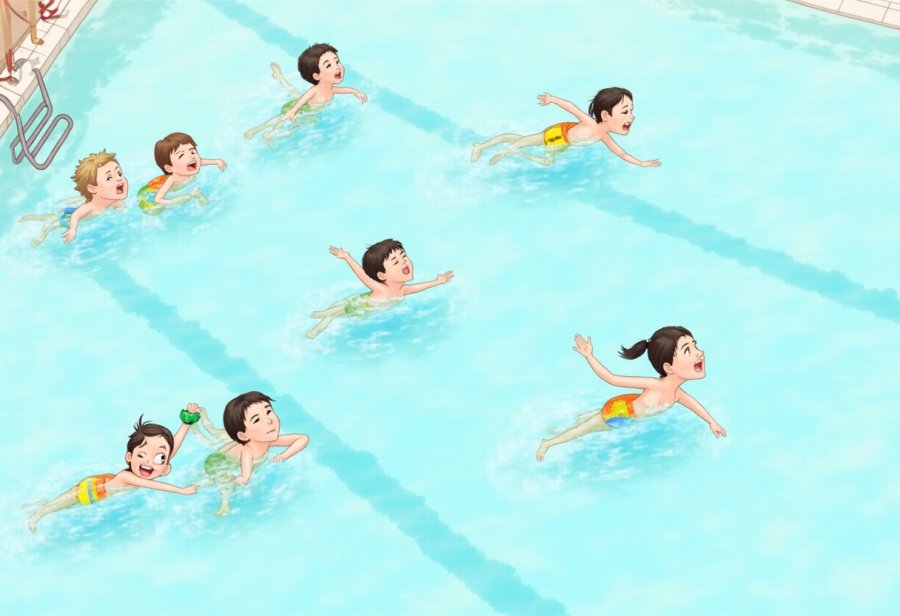
Learning to swim isn’t just about acquiring a new skill; it can be a deeply transformative experience at any age. For many adults and seniors, stepping into the water can trigger fears or self-doubt rooted in past experiences or misconceptions. But facing these challenges head-on opens the door to increased confidence, safety, and a newfound sense of freedom. Whether you’ve never learned before or are finally confronting long-standing water anxieties, taking that first brave step can change how you see yourself—and water itself.
This journey is about progress, not perfection. Building water confidence goes beyond mastering basic techniques; it’s about feeling secure and in control when you’re in or around water. As trust in your abilities grows, anxiety diminishes, making water activities more enjoyable and accessible. Overcoming water fears can also boost mental well-being, reduce stress, and foster resilience—benefits that extend well beyond the pool.
Many adults face common fears, such as drowning anxiety or losing control. These worries often stem from misconceptions or past incidents, but they’re entirely normal and manageable. Recognizing these feelings as part of the learning process is key. Starting small—like sitting by the pool or splashing your face—helps build familiarity without pressure. Celebrating each tiny victory reinforces progress, while calming techniques like deep breathing foster a relaxed mindset for growth.
Remember, learning to swim is a personal journey rooted in patience and persistence. Every small step forward—whether floating, kicking, or swimming a few strokes—adds to your confidence and skills. The water shifts from a source of fear to a space of opportunity and joy. With time and gentle effort, water becomes a place of freedom, adventure, and self-discovery, no matter your age. Taking that initial step today opens the door to a lifetime of safety, health, and enjoyment in water.
Mental and Practical Strategies to Conquer Water Anxiety
Overcoming water fear starts with mental and practical techniques that gradually build confidence. One of the most effective methods is breaking down the fear into small, manageable steps. For instance, simply sitting quietly by the pool, dipping toes into the water, or splashing your face helps desensitize your mind to water’s presence. Repeating these actions consistently trains your brain to associate water with safety rather than danger, making each step feel less intimidating.
Deep breathing exercises serve as a powerful tool during moments of anxiety. When nerves spike, focusing on slow, controlled breaths calms your nervous system and restores a sense of control. This simple act helps you stay grounded, reducing panic and creating mental space to face water with more confidence. Combining breathing with visualization techniques—such as imagining yourself floating peacefully or swimming confidently—reinforces positive expectations and diminishes negative thoughts about water.
Practicing basic water skills is essential for trust and reassurance. Start with simple exercises like blowing bubbles to get comfortable with face immersion, then progress to floating on your back and stomach. These foundational techniques lay the groundwork for more advanced swimming skills. Using tools like kickboards or fins can also boost your confidence by improving technique and reducing physical effort, making swimming feel more natural and less daunting.
Creating a safe, supportive environment accelerates your comfort level. Gradually exposing yourself—whether sitting poolside, splashing water on your face, or wading into shallow water—helps your brain associate water with relaxation rather than fear. Consistency is key; the more familiar water feels, the less likely you are to panic. Reminding yourself that setbacks are normal and part of the learning process keeps frustration at bay and helps you stay motivated.
Positive affirmations and mental imagery are crucial for shifting your mindset. Repeating statements like “I am in control” or “I can do this” strengthen your belief in your abilities. Visualizing successful floating or swimming builds a mental blueprint for success, replacing negative expectations with calm, confident images. The more regularly you practice these mental habits, the more they become second nature, reducing anxiety over time.
Building swimming confidence isn’t just about physical skills; it’s about cultivating resilience. Each small victory, whether it’s dipping your face in water or floating unaided, reinforces your progress. Patience and persistence are your best allies—confidence develops gradually, and setbacks don’t define your journey. Embracing a growth mindset turns each challenge into an opportunity to learn and grow stronger.
Incorporating calming routines like visualization, positive self-talk, and deep breathing into your practice helps keep anxiety manageable. Over time, these mental strategies transform water from a source of fear into a space of calm and control. Remember, confidence is built step by step—each effort, no matter how small, brings you closer to mastering water and enjoying its many benefits.
Modern Techniques and Goals for Continuous Swimming Progress
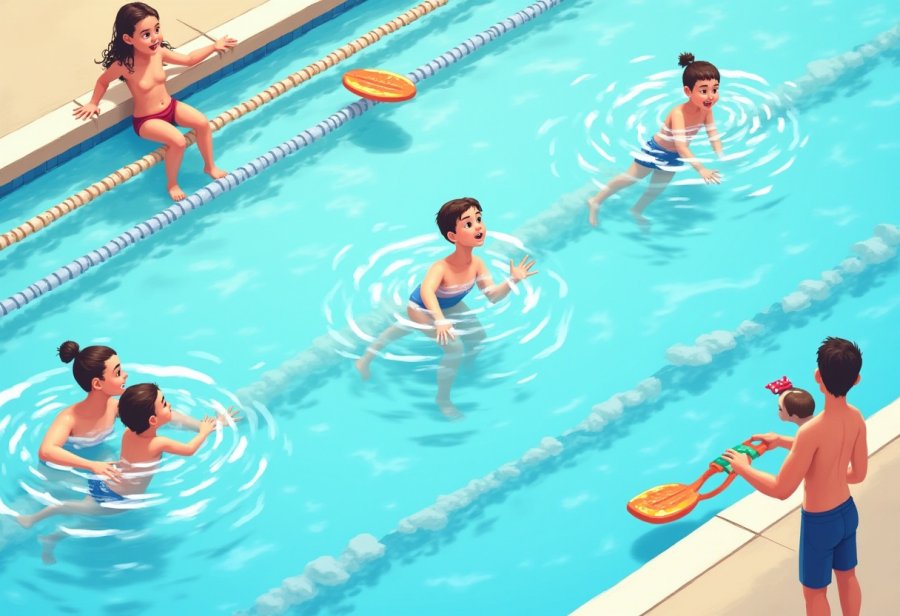
Practicing and progressing in swimming today benefits from a variety of modern methods that make learning more accessible and engaging. Digital tools like instructional videos, mobile apps, and online tutorials allow learners to revisit techniques at their convenience, whether at home or poolside. These resources offer visual demonstrations that help reinforce proper form and build confidence, making complex movements or breathing patterns easier to grasp. Many community centers and gyms now provide specialized adult and senior programs focused on comfort, safety, and gradual skill development, creating welcoming environments for continuous improvement.
Group classes and social swim clubs also play a significant role in maintaining motivation. Practicing with others not only provides accountability but makes the process more enjoyable. Sharing progress, exchanging tips, and offering encouragement foster a sense of community that keeps enthusiasm high. For those seeking additional challenge, activities like water aerobics or strength training in the water can enhance overall fitness, translating into better swimming skills. These cross-training options help strengthen muscles, improve endurance, and increase body awareness, all supporting your development in the water.
Setting small, achievable goals keeps your practice focused and rewarding. Whether it’s swimming a certain distance without stopping, mastering a new stroke, or refining your breathing technique, these targets create a clear sense of progress. Tracking your achievements through a journal or app can boost motivation by highlighting how far you’ve come. As your skills advance, gradually increasing the difficulty or distance ensures you remain challenged without feeling overwhelmed, fostering confidence with each step forward.
Staying open to new techniques and approaches keeps your routine fresh and engaging. Attending workshops, trying different strokes, or experimenting with new equipment can inject variety into your practice. Mixing things up prevents stagnation and encourages continued growth. Regular feedback from qualified instructors ensures you’re practicing correctly and helps you correct any bad habits early. Routine assessments and adjustments make each session more effective and enjoyable, reinforcing your commitment to lifelong improvement.
Embracing a growth mindset is vital for ongoing development. Celebrate small wins and recognize that progress is often gradual. Patience and persistence are key—confidence doesn’t develop overnight. Each practice session, whether focusing on floating, breathing, or lap swimming, adds to your skill set. Remember that setbacks are normal and part of the journey; viewing them as opportunities to learn keeps motivation high. Consistent effort and curiosity turn swimming into a lifelong pursuit rather than a short-term goal.
Finally, enjoy the process of practicing and progressing. Focus on the satisfaction of mastering new skills and feeling more comfortable in water. The more you practice, the more natural and instinctive swimming becomes. Each small improvement builds momentum, making water an inviting space of freedom and adventure. With dedication and an open mind, your water confidence will continue to grow, opening doors to new experiences and lifelong enjoyment in the water.
Real-World Benefits: Safety, Health, and Lifestyle Enhancements Through Swimming
Learning to swim offers practical benefits that extend well beyond the pool. Chief among these is increased safety in water environments. Whether at the beach, a lake, or a backyard pool, knowing how to swim equips you to respond calmly and effectively if you fall in or someone else needs help. It reduces panic and provides the necessary skills to stay afloat until assistance arrives, making water outings safer for everyone involved.
Beyond safety, swimming is a low-impact exercise that benefits your overall health. It works the entire body—strengthening muscles, improving flexibility, and boosting cardiovascular health. For adults and seniors, swimming offers a gentle yet effective way to stay active, especially if joint issues or injuries limit other forms of exercise. Regular swimming helps build endurance and supports a more active, healthier lifestyle over time.
Having the ability to swim also opens up a world of recreational opportunities. From water sports like paddleboarding and kayaking to joining community swim groups, confidence in water expands your social and leisure horizons. Participating in these activities can foster new friendships, enhance mental well-being, and encourage a more adventurous approach to water-based experiences.
For families, swimming skills create a more relaxed and enjoyable environment. When everyone can swim, worries about safety decrease, allowing for spontaneous fun and shared adventures. It also provides an early foundation for teaching children water safety, which is crucial for their protection and confidence around water as they grow.
Learning to swim transforms your relationship with water from one of fear to one of enjoyment. Overcoming initial anxieties means water becomes a space of relaxation, exploration, and freedom rather than stress. This shift not only boosts confidence but also encourages a more positive attitude toward water activities, whether in the pool, at the beach, or on boats.
The mental health benefits are equally significant. Engaging in water activities reduces stress, lifts your mood, and fosters mindfulness. As confidence grows, you’ll find yourself more willing to explore new water environments and participate in water-based adventures, enriching your life both physically and mentally.
Ultimately, acquiring swimming skills is an investment in safety, health, and lifelong enjoyment. It empowers you to handle water situations with calmness and competence, opening doors to new experiences and a more vibrant, active lifestyle. Whether for everyday safety or the thrill of new adventures, learning to swim is a step toward a more confident, connected relationship with water.
Embrace Your Ongoing Journey to Water Confidence and Lifelong Enjoyment
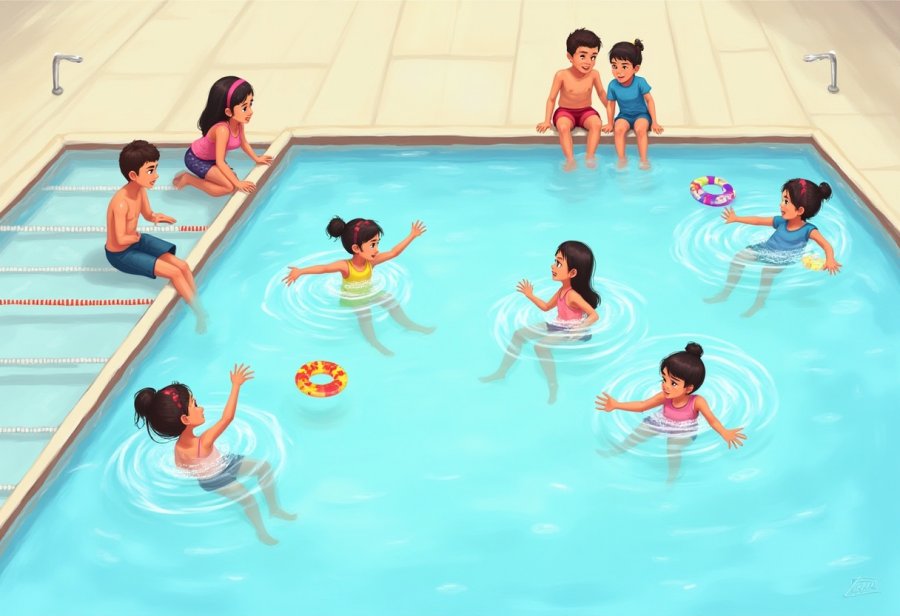
Concluding your water confidence journey is about recognizing it as an ongoing process rather than a single milestone. The skills you’ve developed, along with the mindset you’ve cultivated—patience, persistence, and a positive outlook—lay a strong foundation for continuous growth. Celebrating every small victory, whether it’s floating for the first time or swimming a little farther, keeps motivation high and reminds you that progress is happening. These moments show that becoming comfortable in water isn’t about perfection; it’s about steady improvement and building trust in your abilities step by step.
This journey doesn’t end once you master the basics. Instead, it’s about nurturing a mindset of lifelong learning. Keep exploring new water environments, trying different strokes, or participating in water activities that push you just enough to stay engaged without feeling overwhelmed. As confidence deepens, water transitions from a source of fear to a space of enjoyment and freedom—something you look forward to experiencing rather than avoiding. Each new challenge becomes an opportunity for growth, and with every success, your relationship with water grows stronger.
Expect setbacks along the way—they’re natural parts of growth. Confidence can ebb and flow, and trying something new might feel intimidating again at times. That’s normal. The key is to keep moving forward, viewing these moments as chances to learn rather than failures. Each hurdle overcome adds resilience and deepens your trust in your abilities. Remember, persistence turns small steps into meaningful progress, and patience ensures that fear is replaced by familiarity and comfort over time.
Looking ahead, the future of water confidence is bright, supported by advancements in teaching methods, technology, and community programs. Virtual reality, apps, and online tutorials provide new ways to practice and reinforce skills outside the pool. Local classes and inclusive initiatives make water safety and enjoyment accessible to more people at any age. These tools and opportunities help maintain motivation and make continuous improvement easier and more enjoyable.
Embracing your water confidence as a lifelong gift transforms how you approach water environments. Once fears are overcome, water becomes a space of relaxation, exploration, and connection. Whether you’re floating in a pool, swimming in lakes, or trying water sports, each new experience builds on your foundation. Confidence in water becomes part of a vibrant, active life—opening doors to adventures and memories you’ll cherish.
This ongoing journey is personal and unique. Celebrate the progress you’ve made and stay curious about what’s next. Keep challenging yourself just enough to grow without feeling overwhelmed. With each new step, you reinforce your trust in your abilities and deepen your enjoyment. The relationship you build with water will evolve over time, offering endless opportunities for fun, discovery, and self-confidence.
Remember, mastering water confidence isn’t about reaching a final destination; it’s about creating a lifelong connection with water that enriches your life. Every small step forward adds to your resilience and joy. As your skills develop, water becomes less intimidating and more inviting—a place of freedom, adventure, and calm. The journey continues, and with it, a world of possibilities opens up, waiting for you to embrace them with confidence.