Few moments evoke such pure joy as a dog’s outdoor walk—yet what makes these simple routines so profoundly meaningful for both pets and owners? This exploration reveals that these outings are more than just exercise; they are vital rituals of connection, discovery, and emotional well-being. Scientific insights show that endorphin and serotonin releases during these walks elevate happiness, tapping into dogs’ primal instincts and enriching their minds. Modern practices, from urban parks to themed adventures, keep routines fresh and engaging, strengthening bonds and promoting health. Beyond physical benefits, these walks offer mental stimulation, confidence-building, and stress relief for dogs, while reducing anxiety and boosting mood in owners. As innovations emerge—smart gear, tailored routines—the potential to deepen this shared joy grows exponentially. Ultimately, these everyday acts of love and exploration aren’t just routines—they are powerful tools for nurturing trust, happiness, and lifelong companionship, reminding us that life’s simple pleasures often hold the greatest significance.
Discover the Joy of Outdoor Walks with Your Dog
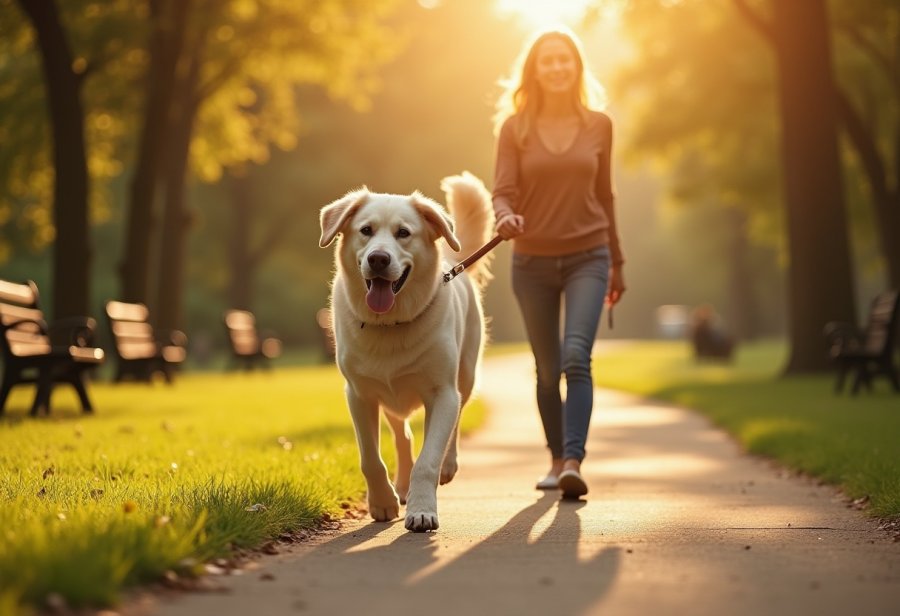
Few moments in daily life match the simple joy a dog feels during an outdoor walk. These outings aren’t just routines; they’re cherished opportunities for dogs and their owners to pause, connect, and enjoy the outdoors together. Whether it’s a bright afternoon in the park or a quiet stroll through a neighborhood, these walks allow dogs to indulge their senses—sniffing new scents, exploring different sights, and hearing a variety of sounds. For owners, they offer a welcome break from screens and busy schedules, a chance to breathe deeply and reconnect with nature’s calming presence.
Beyond the physical activity, outdoor walks serve as a mental reset for dogs. As they investigate their environment, their natural instincts are engaged, keeping their minds active and satisfied. These moments of curiosity and discovery aren’t just about exploration—they’re essential for emotional health, helping dogs feel more relaxed and confident. Sharing these walks deepens the bond between pet and owner, turning everyday routines into meaningful experiences filled with mutual affection.
There’s a quiet beauty in these simple acts. It’s not about elaborate activities or gear but about the pure pleasure of being outside. The crunch of leaves under paws, the scent of blooming flowers, the warmth of the sun—these small details combine to create a profound sense of happiness. For dogs, it’s a sensory feast; for owners, a gentle reminder to slow down and savor life’s quieter moments. These walks become a shared ritual that nourishes both body and spirit.
In today’s fast-paced, digital world, outdoor walks remind us of life’s basic pleasures. They nourish our pets’ happiness and our own well-being, offering a brief escape from daily stress. Each step taken together turns an ordinary day into a treasured memory, strengthening the bond that makes life with a dog so special. It’s in these moments that the simple act of walking transforms into something much greater—a source of joy, trust, and companionship.
Unveiling the Biological Roots of Dog Walk Happiness
Research shows that outdoor walks trigger biological responses in both dogs and humans that significantly boost happiness. For dogs, physical activity during a walk releases endorphins—natural chemicals that act as mood lifters and painkillers. These endorphins help reduce stress and foster feelings of euphoria, which is why dogs often seem so relaxed and joyful after their outings. Additionally, exposure to natural light increases serotonin levels, a neurotransmitter closely linked to mood stability and overall well-being. This combination of chemical changes explains why a simple walk can have such a profound impact on a dog’s happiness.
For humans, the benefits are equally clear. Walking outdoors with a dog not only benefits the pet but also lifts the owner’s mood. Moving through natural environments prompts the release of stress-reducing hormones like cortisol, while boosting the production of dopamine and serotonin—chemicals associated with pleasure and reward. These shifts in brain chemistry help clear the mind, lower anxiety, and foster a more positive outlook. Scientific studies confirm that regular outdoor activity, especially with a pet, can improve mental health and emotional resilience over time.
Looking into dogs’ evolutionary history sheds light on their love for outdoor spaces. Descended from wild canines, dogs have been naturally selected for traits like exploration, scent tracking, and social bonding—traits that thrive in open, natural environments. Their instincts drive them to sniff, dig, and investigate, which not only satisfies curiosity but stimulates their brains in ways that promote happiness. This deep-rooted connection to the outdoors explains why walks tap into their primal instincts and make them feel more alive and fulfilled.
During a walk, neurochemical surges occur that elevate mood for both dogs and owners. Endorphins released through physical activity produce a sense of euphoria for dogs and help alleviate stress. Meanwhile, natural light enhances serotonin levels, promoting calmness and happiness. For owners, walking activates dopamine pathways, reinforcing feelings of pleasure. This positive feedback loop makes each walk a mutually rewarding experience, strengthening the bond and encouraging consistent outdoor routines.
Understanding the science behind these processes highlights why outdoor walks are so much more than exercise. They serve as natural mood boosters that reduce stress, foster emotional well-being, and deepen bonds. The neurochemical shifts during these outings are powerful enough to improve mental health in both pets and owners, often leading to greater contentment and connection. Recognizing this biological foundation underscores the importance of making outdoor walks a regular part of daily life—not just for physical health but for overall happiness.
By appreciating the biological mechanisms at play, we see how these routines turn simple outings into moments of joy and discovery. They remind us that some of the most meaningful experiences come from just stepping outside and sharing it with our dogs. As science continues to explore these connections, it affirms what many dog owners already know: a walk in nature isn’t just good exercise—it’s a vital act of happiness, trust, and companionship that benefits everyone involved.
Embracing Modern Trends and Creative Approaches to Outdoor Adventures
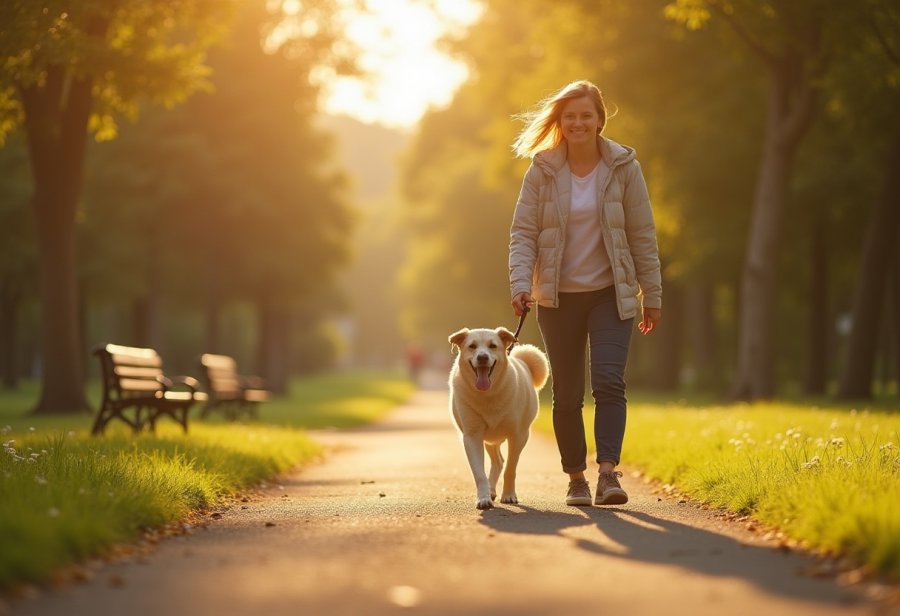
Many dog owners now see outdoor walks as a key part of their daily routines, blending purpose with creativity. Instead of just a quick necessity, walks have become opportunities to enhance quality of life—for pets and humans alike. Timing plays a big role; early mornings or evenings help avoid heat and crowds, making each outing more enjoyable and safer for everyone involved. These choices reflect a growing awareness of how environment and timing influence a dog’s happiness during outdoor adventures.
Urban pet owners often frequent nearby parks, scenic trails, or designated dog-friendly spaces that stimulate the senses. These environments allow dogs to explore freely, sniffing and investigating with curiosity. To keep routines engaging, many owners incorporate tech tools like GPS trackers or mobile apps that log activity and motivate consistent movement. Such innovations turn mundane walks into rewarding, goal-oriented experiences that encourage regular outdoor activity.
Innovative practices are shaping how we approach outdoor time with our dogs. Some organize themed walks—social outings with other dogs or nature hikes—that combine exercise with mental enrichment. These gatherings promote social skills and reduce boredom, adding variety to the daily routine. Exploring new settings like mountains, beaches, or forests keeps the experience fresh and exciting for dogs, preventing monotony and encouraging their natural instincts to investigate.
The choice of environment greatly influences a dog’s happiness on walks. Wide-open parks, lush trails, and scenic coastal paths provide ample space for running, sniffing, and exploring. These settings tap into primal instincts, making each outing more fulfilling. Even urban walks can be rewarding when approached mindfully, with added play, treats, or training exercises that keep dogs stimulated and engaged.
Pet owners increasingly focus on the quality of their walks, not just the routine. Simple adjustments—like using comfortable harnesses, reflective gear, or carrying treats—transform outings into positive, safe experiences. Paying attention to route choice, weather, and a dog’s cues helps tailor each walk to their needs. These mindful practices turn outdoor time into meaningful adventures that deepen bonds and promote well-being.
While routines and trends evolve, the core remains clear: outdoor walks are essential for a dog’s happiness and health. They’re moments for exploration, connection, and discovery—celebrations of life’s simple pleasures. As new ideas and technologies emerge, they promise to make these experiences even more enriching, ensuring that every walk continues to bring joy and fulfillment for dogs and their owners alike.
Transforming Theory into Practical Benefits for Pets and Owners
Regular outdoor walks provide tangible benefits that go far beyond mental well-being. For dogs, consistent exercise helps maintain a healthy weight, strengthens muscles, and improves cardiovascular health. These physical advantages are easy to see—more energy, better stamina, and a happier, more balanced pet. But equally important is the mental stimulation that comes from exploring new scents, sights, and sounds. When dogs are allowed to investigate their environment freely, their minds stay sharp, reducing boredom and behavioral issues like excessive barking or destructive digging.
For owners, these walks are a practical way to incorporate activity into busy lives. Instead of carving out separate workout sessions, walking the dog becomes a dual-purpose activity that benefits both. The brisk pace and fresh air help clear your mind and lift your mood, transforming a quick stroll into a refreshing mental break. It’s an accessible, effective way to stay active without extra time or equipment, fitting seamlessly into daily routines.
Every walk is also an opportunity for dogs to explore the world around them, which is crucial for building confidence and emotional stability. Sniffing and investigating different textures and smells satisfy their natural curiosity and provide mental engagement that calms anxiety and reduces stress. These explorations help dogs feel more relaxed and secure, making them calmer at home and more trusting of their owners.
Sharing outdoor walks strengthens the bond between pets and owners. As you guide and support your dog through new experiences, mutual trust grows. Your dog learns to look to you for reassurance, and you become more attuned to their signals—whether they’re excited, tired, or overwhelmed. Over time, these shared routines foster loyalty and affection, turning a simple walk into a meaningful act of connection.
The benefits extend to your own mental health as well. Spending time outside with your dog lowers stress hormones like cortisol and boosts the production of feel-good chemicals such as dopamine and serotonin. The rhythmic movement of walking, combined with your dog’s joyful energy, can turn a hectic day into a peaceful escape. These routines serve as small but powerful tools for nurturing resilience and emotional well-being.
Proper gear and thoughtful planning can amplify these benefits. Well-fitted harnesses, reflective accessories, and treats enhance safety and enjoyment. Choosing routes that suit your dog’s needs—whether a sunny park trail or a shaded urban path—makes each outing more comfortable and engaging. Paying attention to weather conditions and your dog’s cues ensures the walk remains a positive experience, encouraging regular outdoor activity.
Making each walk purposeful and tailored to your dog’s personality and needs transforms routine outings into enriching adventures. Incorporating play, training exercises, or social interactions keeps your dog stimulated and happy. These small adjustments foster good habits, deepen your connection, and turn everyday walks into moments of joy and discovery. The consistent effort not only benefits your dog’s health but also keeps the experience fresh and rewarding for both of you.
In the end, outdoor walks are invaluable for supporting a dog’s overall happiness and well-being. They promote physical health, mental stimulation, and emotional stability—creating a foundation for a balanced, confident pet. When combined with mindful planning and genuine engagement, these simple routines become powerful tools for nurturing trust, love, and lifelong companionship. Each step outside reinforces the bond that makes life with a dog so enriching and joyful.
Summing Up and Looking Ahead: The Future of Dog Outdoor Happiness
As we’ve seen, outdoor walks are a cornerstone of a dog’s happiness and overall well-being. The physical activity, mental stimulation, and emotional bonding they foster are backed by both science and everyday experience. These routines allow dogs to explore, satisfy natural instincts, and release stress, resulting in calmer, more confident pets. For owners, sharing these moments not only boosts their mood but also deepens the trust and affection built through consistent, shared experiences.
Looking ahead, new technologies and evolving practices promise to make outdoor adventures even more enriching. Innovations like smart collars, GPS trackers, and activity monitors will help tailor routines to each dog’s unique needs, ensuring safety and engagement. Virtual reality or indoor simulation tools may someday create immersive outdoor environments, providing mental stimulation when outdoor access is limited. Community initiatives and eco-friendly equipment will promote responsible pet ownership, encouraging sustainable exploration and a respectful connection with nature.
Despite these exciting developments, many questions remain about how individual factors—such as breed, age, or personality—affect a dog’s outdoor happiness. Ongoing research into optimal walk lengths, environments, and socialization strategies can help owners customize routines for maximum benefit. Understanding how urban versus rural settings influence a dog’s mental and emotional health will further refine best practices, ensuring every walk is as fulfilling as possible.
As society increasingly recognizes the importance of emotional and mental health for pets, outdoor walks will be viewed as essential moments for nurturing joy, trust, and companionship. Wearable tech providing real-time feedback on a dog’s mood and health may become commonplace, helping owners respond to their pet’s needs with precision and care. Eco-conscious gear and community programs will foster responsible exploration, making each outing a meaningful and sustainable experience.
Ultimately, the simple act of walking outdoors with a dog holds profound power. It’s a routine that nurtures happiness, fosters trust, and creates lasting memories. As new insights and innovations emerge, they will only deepen these shared moments—reminding us that life’s most meaningful joys often come from the simplest acts of love and discovery. Prioritizing these outdoor adventures ensures a healthier, happier life for pets and owners alike, strengthening bonds that last a lifetime.