Learning to drive marks a pivotal moment in a teen’s journey toward independence, blending excitement with nerves. This rite of passage isn’t just about mastering the mechanics behind the wheel; it’s about overcoming internal fears, building resilience, and trusting oneself amidst unpredictable traffic and external pressures. Society’s focus on safety, peer judgment, and the daunting complexity of roads can amplify anxiety, sometimes hindering progress. Yet, with modern training methods—combining traditional lessons, digital simulators, and gradual exposure—teen drivers are increasingly equipped to transform initial fears into confidence. As technology evolves, features like driver-assist systems and virtual reality promise to reshape the road to self-assurance, encouraging a future where nervous beginners grow into confident trailblazers. Will these innovations finally ease the internal struggles teens face, turning driving from an intimidating challenge into a rewarding milestone of growth?

Navigating Teen Freedom and Fears Behind the Wheel
Learning to drive marks a major milestone for teens, symbolizing a new level of independence and responsibility. It’s an exciting step—imagine the freedom of navigating familiar streets or heading out on spontaneous adventures alone. Yet, beneath that thrill lies a wave of nerves that many teens can’t shake. The idea of controlling a vehicle, especially for the first time, can feel overwhelming. These feelings of anxiety are perfectly normal and often a sign of how much they care about doing well and staying safe.
For many young drivers, the road ahead looks both promising and intimidating. The prospect of gaining freedom—being able to visit friends, go to work, or explore new places—can seem distant when they’re stuck practicing parking or navigating tricky turns. Building confidence isn’t just about mastering the mechanics of driving; it’s about growing into a more self-assured person. Every new maneuver, every cautious practice session, helps teens trust their abilities and feel more in control behind the wheel.
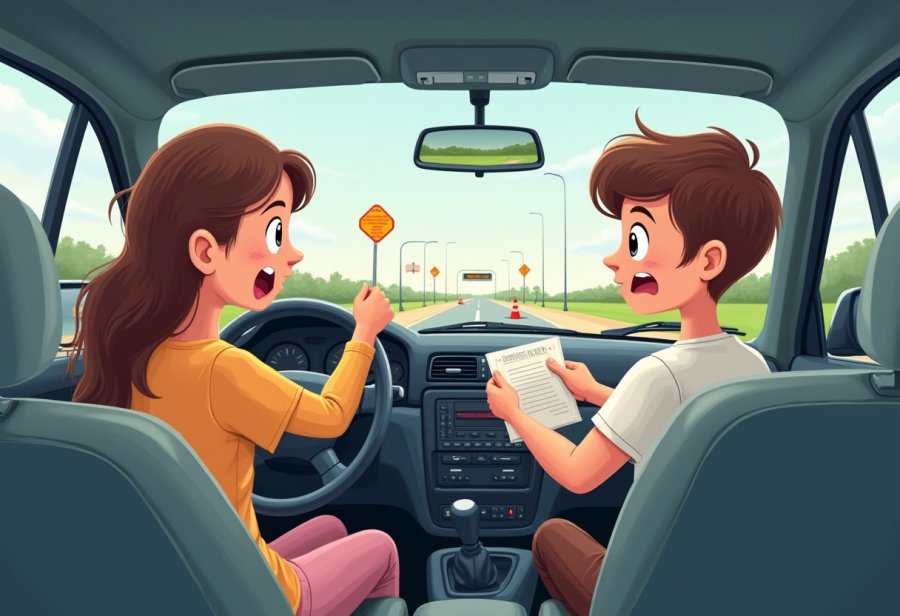
It’s also common for teens to worry about making mistakes or causing an accident. Their limited experience makes these fears even more intense—they’re unsure how to handle unpredictable situations like busy intersections or sudden obstacles. Society’s messages about the dangers of driving can amplify these concerns, making every trip feel like a test. Peer pressure and family expectations add to the stress, as teens worry about how others see their skills. The unfamiliarity of complex traffic situations can heighten their sense of vulnerability, making the road seem like uncharted territory.
Despite these fears, it’s important to see them as a natural part of the learning process. Almost every new driver encounters nerves when starting out. These feelings stem from a mix of excitement and uncertainty that tend to fade with time and practice. Recognizing that mistakes are part of growth helps teens stay motivated. Each small step—whether it’s mastering a turn or navigating a busy street—builds their confidence and resilience.
Approaching driving with patience and understanding makes a big difference. When parents, instructors, and teens themselves acknowledge these emotional hurdles, it creates a supportive environment where fears can be managed. Over time, as skills improve and confidence grows, those initial nerves transform into a sense of achievement. Learning to drive becomes less about avoiding mistakes and more about discovering their resilience and readiness for new adventures behind the wheel.
Unraveling the Roots of Teenage Driving Anxiety
Teen driving fears often come from a mix of understandable worries and external pressures that can feel overwhelming for new drivers. Many teens are anxious about making mistakes behind the wheel, such as misjudging a turn or failing to notice a cyclist, which could lead to accidents. Their limited experience amplifies these fears because they feel unsure about handling unpredictable situations. It’s natural for them to worry about losing control, especially when navigating busy streets or complex intersections for the first time. These concerns are rooted in a genuine desire to stay safe and do well, not a lack of ability.
External influences play a significant role in shaping teen driving anxiety. Peer pressure is a major factor; teens often worry about how their friends will perceive their driving skills. Fear of stalling at a stop sign or struggling with parking can make each drive feel like a performance. Similarly, family expectations—particularly messages emphasizing safety or highlighting the dangers of careless driving—add extra stress. This combination of social judgment and internal fears can turn everyday driving into an intimidating challenge, rather than a simple skill to learn.
Unfamiliar roads and unpredictable traffic conditions compound these fears. When teens face new routes, they often feel lost or unsure how to respond to unexpected hazards. The complexity of city traffic, with its maze of signs, signals, and other drivers, can be overwhelming. This unfamiliarity often leads to hesitation or second-guessing, which chips away at their confidence and increases anxiety. The fear of making a wrong decision in such moments can cause even more nervousness, creating a cycle of avoidance and doubt.
These fears don’t just affect how teens feel—they impact their ability to practice and develop skills. Anxiety can lead to avoiding driving altogether, which limits crucial experience. Without enough practice in diverse conditions, their confidence remains fragile, and fears tend to grow. This avoidance hampers progress, making it harder to master essential skills and further deepening feelings of insecurity. It becomes a self-perpetuating loop: fear leads to less practice, which leads to more fear.
Society’s portrayal of driving as dangerous only intensifies these worries. News reports of accidents involving young drivers, along with statistics showing higher crash rates among teens, reinforce the idea that the road is a perilous place. While safety is vital, this focus can magnify perceived risks, making routine drives seem more threatening than they truly are. Recognizing these influences helps us understand that much of teen anxiety is rooted in perception, which can be challenged with reassurance and gradual exposure.
Understanding these roots of anxiety is key to supporting teens effectively. Normalizing their fears, rather than dismissing or minimizing them, creates a more empathetic approach. When teens realize that anxiety is a common part of the learning process, they’re more likely to stay motivated and resilient. With patience, guidance, and repeated positive experiences, those nerves gradually give way to confidence, turning the road from a source of fear into an arena of growth and self-discovery.

Modern Methods Shaping Confidence in Teen Drivers
Today’s approach to teen driver education combines traditional techniques with innovative technology, reflecting a stronger focus on safety and confidence-building. Most programs start with classroom lessons that cover traffic laws, responsible habits, and decision-making skills—foundations that set the stage for real-world driving. Instructors emphasize defensive driving and realistic scenarios to prepare teens for the unpredictable nature of roads.
In recent years, digital tools like driving simulators and interactive online modules have become common. These platforms allow teens to practice hazard recognition and emergency responses in a controlled, low-stress environment. Simulators, in particular, help them experience complex situations—such as navigating heavy traffic or reacting to sudden hazards—without the risks of actual driving. This early exposure builds familiarity and reduces anxiety before facing real roads.
The current training approach prioritizes gradual skill development. Beginners are encouraged to start in quiet, low-pressure areas like parking lots or residential streets. As their confidence grows, they move onto busier roads in manageable steps. This phased process prevents overwhelm, allowing teens to master each skill before tackling more complex driving environments. Short, frequent practice sessions reinforce learning without leading to fatigue or frustration.
Beyond technical skills, modern programs focus on cultivating safe habits and responsible behavior. Lessons on avoiding distractions, always wearing a seatbelt, and managing peer pressure are integrated into the curriculum. Many driving apps and online platforms track progress, set goals, and provide feedback, making learning more engaging and personalized. These tools help teens recognize their improvements and stay motivated to continue practicing.
Overall, today’s teen driver training combines effective teaching methods with cutting-edge technology and a safety-first mindset. It recognizes that confidence isn’t just about vehicle control but also about emotional resilience and smart decision-making. By blending these elements, programs aim to turn initial nerves into genuine self-assurance behind the wheel, helping teens see driving as a manageable skill that grows with experience rather than an insurmountable challenge.
Practical Steps to Empower Young Drivers
Building confidence behind the wheel starts with consistent, manageable practice. Short, regular sessions help teens become familiar with their vehicle and develop muscle memory, which is key to staying calm and focused. Beginning in quiet areas such as empty parking lots or residential streets allows them to focus on fundamental skills like steering, braking, and lane changes without feeling overwhelmed by traffic. This gradual exposure lays a solid foundation, making each new challenge less intimidating.
Celebrating small victories can significantly boost a teen’s confidence. When they successfully parallel park or merge onto a highway, acknowledging these wins reinforces their progress and shifts their mindset from fear to achievement. Setting clear, attainable goals for each practice—like mastering a turn or maintaining a safe following distance—provides a sense of purpose and tangible milestones. These little successes accumulate, building a genuine sense of competence over time.
Utilizing tools like driving apps or online tutorials supports this journey. Many apps track practice hours, offer personalized feedback, and log progress, making improvements visible and motivating. Instructional videos break down complex maneuvers into simple steps, demystifying skills like parallel parking or highway merging. Combining hands-on experience with these resources helps teens recognize their growth, reducing self-doubt and encouraging persistence.
Support from parents and instructors plays a crucial role. Instead of criticizing mistakes, offering positive reinforcement for effort and progress fosters a growth mindset. Praising calmness during tricky intersections or trying new skills encourages teens to keep practicing without fear of failure. Creating an environment where errors are viewed as part of learning helps sustain motivation, making each drive a step toward mastery rather than a test of worth.
Patience remains essential throughout this process. Learning to drive isn’t a race, and progress varies from one individual to another. Pushing too hard can lead to frustration or setbacks. Emphasizing steady, deliberate practice and celebrating every bit of progress nurtures a positive attitude. Over time, consistent effort and resilience turn initial nerves into genuine confidence, transforming driving from a source of anxiety into an empowering experience.
Encouraging teens to reflect on their practice sessions can further enhance their confidence. Recognizing what went well and identifying areas for improvement deepens self-awareness. This reflection fosters resilience and helps turn mistakes into opportunities for growth. With continued effort, each small step builds toward a confident, self-assured driver ready to navigate the road ahead.
Embracing Technology and Innovation in Future Driving Confidence
The future of teen driving confidence is set to shift dramatically as technology continues to advance and reshape how young drivers learn and experience the road. Vehicles are becoming smarter, equipped with features like lane assist, adaptive cruise control, and semi-autonomous systems that serve as safety nets. These tools help teens feel more secure and gradually build their skills without the pressure of full control, easing their transition into independence behind the wheel. Meanwhile, virtual reality and simulation-based training are emerging, offering immersive, risk-free environments where teens can practice complex scenarios—like navigating heavy traffic or reacting to sudden hazards—before they face real-world challenges. This approach not only reduces initial anxiety but also makes learning more engaging and less intimidating.
Alongside these technological innovations, licensing processes are evolving to become more personalized. Graduated licensing systems are likely to adapt further, allowing teens to progress at their own pace based on their comfort and skill levels. This tailored approach can diminish the pressure to perform quickly, fostering a mindset that driving is a gradual journey rather than a race. When teens see their progress recognized and supported in this way, their confidence can develop more naturally and sustainably, reinforcing positive habits and reducing fear.
Digital tools will play an increasingly central role in building confidence. Apps and online platforms will continue to track practice hours, provide targeted feedback, and simulate hazards that improve decision-making skills. Seeing measurable progress through these resources helps teens recognize their growth and diminishes self-doubt. As they focus on areas where they feel less confident, they turn nerves into competence through consistent, manageable steps, making the road to self-assurance smoother.
Vehicle automation is also poised to redefine what it means to be a confident driver. Semi-autonomous features will serve as stepping stones, helping teens develop good habits while reducing the stress of full manual control. This balance between human skill and technological support encourages a healthier relationship with driving—one rooted in control, responsibility, and trust. As teens become familiar with these systems, they learn to rely on their judgment alongside technological assistance, fostering a sense of mastery and confidence.
Education around responsible use of new systems will be essential. Teens will need guidance on maintaining focus, managing distractions, and understanding the limits of automation. Parents, instructors, and schools will play vital roles in instilling a mindset that technology enhances safety but does not replace good judgment. Building this awareness ensures that confidence remains grounded in both skill and responsibility, creating safer, more self-reliant drivers.
Overall, the pathway to confident teen drivers is becoming more supportive, adaptable, and tech-driven. As innovations unfold, they will help transform nervous beginners into capable, resilient drivers who trust themselves and their abilities. This evolution promises a future where gaining independence isn’t just about mastering the mechanics of driving but also about cultivating resilience and trust—ready to navigate whatever the road may bring with confidence and calm.