In a world dominated by digital distractions, can tending a garden together unlock deeper emotional bonds and foster healing? This heartfelt exploration reveals how shared gardening experiences transcend mere horticulture, cultivating trust, patience, and connection amid the soil and blooms. By collaborating outdoors, individuals forge silent communication, nurture empathy, and build resilience—lessons that extend beyond the garden bed into everyday relationships. The act of nurturing life together offers therapeutic benefits, reducing stress and enhancing emotional well-being through mindful engagement with nature. Stories of couples and communities transforming routines into bonding rituals illustrate the profound power of teamwork and shared effort. As innovative initiatives and research highlight gardening’s potential to strengthen social ties and mental health, it prompts a vital question: Could cultivating plants also nurture our human connections in an increasingly disconnected world? The answer lies in the gentle, deliberate act of growing together.
Reconnect Through the Soil: Building Bonds in a Digital Age
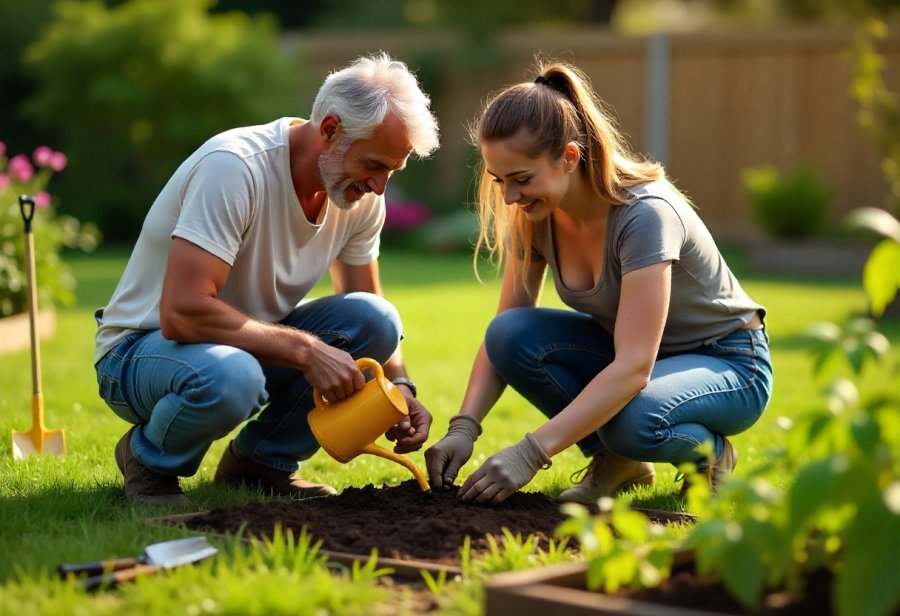
In today’s digital world, it’s easy to feel disconnected from those around us. We spend hours scrolling through social media or responding to notifications, often at the expense of meaningful face-to-face interactions. Gardening offers a simple yet powerful way to step away from screens and reconnect with others in a natural setting. When people work together in a garden, they’re not just planting seeds—they’re cultivating trust, patience, and understanding without even realizing it. These shared moments create a space where bonds can grow organically, driven by collaboration and mutual effort.
Tending to a garden requires cooperation and gentle communication, often done quietly and mindfully. Working side by side, people develop a rhythm that fosters teamwork and respect. Planting, watering, and harvesting become acts of connection—small gestures that reveal patience and kindness. Over time, these acts of nurturing build a language of support and pride, strengthening relationships in ways words sometimes cannot. Gardening becomes a shared experience that nurtures emotional bonds as much as it does plants.
Beyond the practical, gardening teaches us patience and mindfulness. Focusing on soil, growth, and natural cycles pulls us away from worries and distractions, helping us stay present. Doing this together amplifies these benefits, transforming an activity that can be solitary into a bonding ritual grounded in shared effort. It reminds us that growth takes time and that caring patiently is a form of love—both for the plants and for each other.
In a world dominated by digital interactions, gardening stands out as a tangible alternative that demands presence and engagement. It reconnects us with nature and ourselves, fostering genuine bonds rooted in shared effort and natural beauty. Working side by side in the soil, we learn support, patience, and trust—lessons that extend far beyond the garden. It’s a reminder that meaningful connection often happens outside screens, in the quiet act of nurturing life together.
Healing Hands: The Timeless Power of Gardening for Emotional Well-Being
Gardening has long been recognized as more than just a leisure activity; it’s a profound tool for healing and emotional well-being. Cultures across history have used gardens not only for sustenance and beauty but as sacred spaces for reflection and renewal. Ancient Chinese and Japanese gardens, for example, were designed as tranquil retreats where individuals could meditate and restore mental balance. These traditions highlight a timeless truth: nurturing plants can foster a sense of harmony, calm, and resilience within ourselves.
Modern science has begun to validate these age-old insights, showing that engaging with gardening can significantly reduce stress, anxiety, and depression. When tending to plants—whether planting, watering, or pruning—our focus shifts from worries to the present moment. This mindful attention activates calming responses in the brain, giving us small victories like a sprouting seed or a blooming flower that boost confidence and emotional strength. The act of caring for living things becomes a gentle, natural form of therapy accessible to nearly everyone.
Being outdoors among greenery isn’t just soothing—it has measurable physical and sensory benefits. Exposure to natural environments lowers cortisol levels, our body’s primary stress hormone, and stimulates the parasympathetic nervous system, which promotes relaxation and emotional balance. The sights, scents, and sounds of a garden engage our senses fully, grounding us in the here and now. During emotional struggles, these sensory experiences serve as gentle anchors, helping to restore mental clarity and emotional resilience with ease.
Throughout history, spiritual and cultural traditions have reinforced the idea that tending to plants nurtures the soul. From Taoist gardens built for harmony to European herb plots used for healing, these spaces have historically provided refuge for mental and emotional renewal. Today, community gardens and therapeutic horticulture programs continue this legacy, offering collective opportunities for healing through shared effort. These initiatives demonstrate that gardening’s power extends beyond individual well-being, strengthening social bonds and fostering collective resilience.
Viewing gardening through this lens reveals it as a simple yet potent act of self-care. Whether it’s a quiet moment pruning or working alongside someone in a shared space, caring for plants helps us process emotions and build resilience. It reminds us that healing doesn’t always require grand gestures; often, it’s found in the gentle act of nurturing life. As a timeless practice, gardening continues to offer a gentle pathway to emotional balance, helping us reconnect with ourselves and others in a world that often feels overwhelming.
Growing Closer: Cultivating Relationships in the Garden
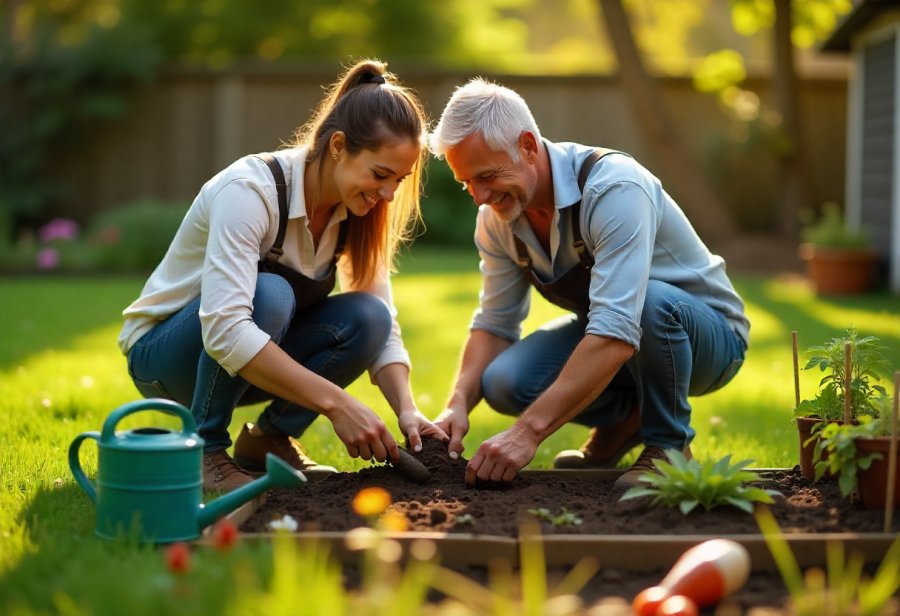
Sharing a garden experience naturally deepens bonds because it creates a space where cooperation and patience become essential. When two people work side by side—planting, watering, or tending to growth—they develop a rhythm that fosters trust and understanding without many words. These shared moments aren’t just about the plants; they’re about building a connection through mutual effort and support. Over time, this teamwork becomes a quiet foundation for emotional closeness that can extend into other parts of life.
Gardening tasks often require subtle communication—small gestures like passing a watering can or adjusting a plant carry more meaning than spoken words. These acts of kindness and cooperation foster feelings of being understood and valued, nurturing trust and empathy. As the plants flourish, so does the relationship, with each success reinforcing the bond and each challenge teaching patience and resilience. The garden becomes a living metaphor for growth, both of the plants and of the people tending them.
Working in nature also encourages emotional openness. Being outdoors, focused on a shared goal, makes conversations flow more naturally. The quiet focus on nurturing life together creates a space where feelings can surface without pressure. This non-verbal connection can be surprisingly powerful, helping people feel more seen and heard. Over time, these shared moments of effort and care deepen emotional ties in ways words often cannot reach.
Shared gardening activities foster a sense of collective responsibility. Whether planting vegetables or tending flowers, every task contributes to a bigger picture. Watching the garden bloom or produce ripe vegetables becomes a tangible reminder of what effort and patience can achieve when shared. Celebrating small victories together reinforces emotional connection and encourages ongoing cooperation, turning routine chores into meaningful bonding experiences.
Patience, a core lesson in gardening, mirrors the patience needed in relationships. Watching seedlings grow requires consistent effort and gentle nurturing, reflecting the care necessary to build trust and understanding. Celebrating milestones like a sprouting seed or a blossoming flower reminds us that growth takes time. These shared achievements serve as quiet affirmations that progress is a team effort, strengthening both the garden and the bond.
Gardening together also creates a safe space for emotional expression. Without the distractions of screens or external pressures, people can fully focus on the task and each other. This environment encourages vulnerability and honest communication, deepening emotional connections. It’s often in these quiet, shared moments that true bonds take root and flourish, proving that nurturing life together can nurture relationships just as effectively.
From Seeds to Bonds: Personal Stories and Practical Insights on Gardening’s Impact
Many people have discovered that working together in a garden can do more than just grow plants—it can forge stronger, more meaningful connections. Take Sarah and Mark, for example. During the pandemic, they started a small vegetable garden on their balcony as a way to pass the time. What began as a simple project quickly evolved into a shared journey that improved their communication and teamwork. As they planted seeds and tended to their plants, they found themselves reconnecting, opening up in ways they hadn’t in months. Their garden became a symbol of patience and cooperation, transforming a hobby into a powerful tool for rebuilding their bond.
Community gardens further illustrate how collective effort fosters trust and emotional resilience. In urban neighborhoods, neighbors working side by side to care for shared plots often develop a real sense of belonging and mutual support. These spaces create opportunities to learn from each other, celebrate small wins, and find comfort in shared responsibility. Watching the garden flourish together becomes a visual reminder of what’s possible when effort is pooled, strengthening social bonds and boosting emotional well-being.
The beauty of gardening also lies in the small, everyday gestures that speak volumes. Passing a watering can, offering a encouraging smile, or sharing a quiet moment of focus can build trust and empathy. These simple acts, often unnoticed in daily routines, foster feelings of being understood and valued. Over time, such interactions deepen emotional ties, proving that even minor acts of kindness can have lasting impacts when rooted in a shared activity.
Starting small makes gardening accessible and less intimidating. Whether tending a few potted herbs or a tiny flower bed, seeing progress—like a sprout emerging or a flower blooming—can boost confidence and promote a sense of achievement. Celebrating these milestones turns routine care into meaningful shared experiences, encouraging ongoing participation and connection. It’s these small victories that nurture both the plants and the relationships tending to them.
The simplicity of gardening is part of its strength. It requires no special skills or big commitments—just soil, seeds, and a willingness to participate. This ease invites participation from people of all ages and backgrounds, making it an inclusive activity that naturally encourages cooperation. As effort and patience grow, so do bonds, rooted in the gentle act of caring for something together and witnessing its transformation.
Beyond individual relationships, shared gardening also builds community resilience. Working side by side, people support each other through challenges, celebrate successes, and learn patience along the way. These experiences lay a foundation of trust and cooperation that extends into other aspects of life, helping communities recover from setbacks and fostering a collective sense of hope. Gardening, at its core, becomes a powerful act of connection that nurtures not just plants but the human bonds that sustain us all.
Planting the Future: Embracing Gardening as a Path to Connection and Healing
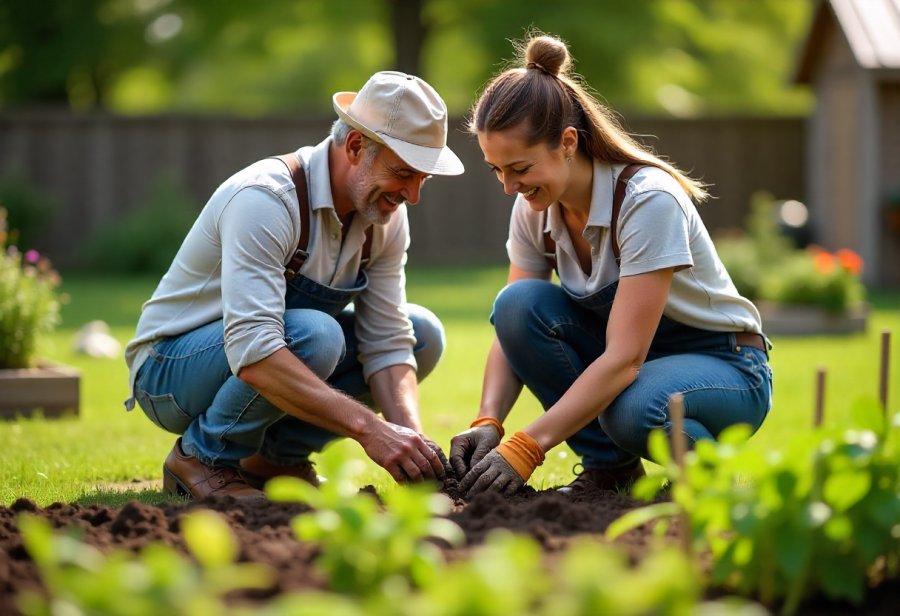
Looking ahead, the potential for gardening to strengthen bonds and support emotional healing is more promising than ever. As awareness grows about its benefits, innovative approaches like community gardening projects, therapeutic horticulture programs, and urban greening initiatives are gaining traction. These efforts do more than reconnect individuals with nature—they foster a sense of belonging and collective resilience within neighborhoods and communities. Encouraging participation in shared gardening activities offers a simple yet powerful way to counteract the digital disconnect many experience today, providing a tangible and nurturing path to building social bonds and mental well-being.
Advances in technology are opening new doors for integrating gardening into mental health strategies. Virtual reality gardens, for example, aim to bring the calming effects of nature to those who lack easy access to outdoor spaces. These digital tools can complement traditional therapy, making the benefits of tending plants accessible to people with physical limitations or busy schedules. Combining gardening with mindfulness practices or digital detox initiatives creates holistic approaches that deepen emotional healing, making the nurturing power of plants more inclusive and adaptable to diverse needs.
Community-based efforts hold particular promise for fostering long-lasting relationships and social cohesion. Urban green spaces, shared allotments, and school gardens create environments where people work toward common goals, exchange knowledge, and support each other’s growth—both plant-wise and personally. These collective projects can rebuild trust, increase neighborhood pride, and generate a shared sense of achievement. Over time, such initiatives demonstrate how gardening acts as a foundation for social resilience, helping communities recover from stress and adversity while nurturing individual and collective bonds.
Supporting ongoing research and advocating for policies that prioritize green spaces are vital steps toward expanding gardening’s role as a healing tool. Funding studies that explore how shared gardening experiences impact mental health and social cohesion can inform best practices. Promoting urban planning that includes accessible parks and community gardens ensures these benefits reach diverse populations. When policymakers recognize the importance of green spaces for emotional well-being, they pave the way for inclusive, sustainable initiatives that transform planting into a catalyst for positive change.
On an individual level, each of us can contribute by incorporating gardening into our routines and communities. Starting small—like tending a windowsill herb or joining a neighborhood plot—can be a meaningful step toward fostering connection and healing. Sharing these experiences with friends, family, or neighbors turns gardening into a shared journey of growth and trust. Embracing these opportunities helps build a future where nature’s gentle, patient power continues to nurture not just plants but the human relationships that sustain us all.
As more people discover and embrace gardening’s benefits, its potential to cultivate emotional resilience and social bonds expands. Whether through personal efforts or collective projects, planting and tending together become acts of care that resonate beyond the garden. They serve as reminders that in a world increasingly driven by screens and instant gratification, slow, deliberate acts of nurturing can create lasting change. Making space for shared gardening experiences is more than an activity—it’s a way to nurture hope, connection, and resilience for generations to come.