Underground street racing is a clandestine world fueled by adrenaline, rebellion, and a fierce sense of brotherhood. Beyond the roar of engines and neon glow, it creates a culture where loyalty, trust, and identity are forged in shadows. Drivers, united by shared risks and technical camaraderie, develop bonds that run deeper than speed—forming a family built on unspoken signals, shared secrets, and mutual reliance. This scene embodies resilience and urban pride, adapting through digital tools to evade law enforcement while maintaining its core values. As technology enhances safety and performance, the community continues to evolve, balancing tradition with innovation. But how do these bonds sustain the scene amid mounting external pressures? Amidst the thrill of the race, underground racing reveals a powerful narrative of loyalty, resilience, and unity—raising the question: can the spirit of brotherhood endure as the scene moves forward into an uncertain future?
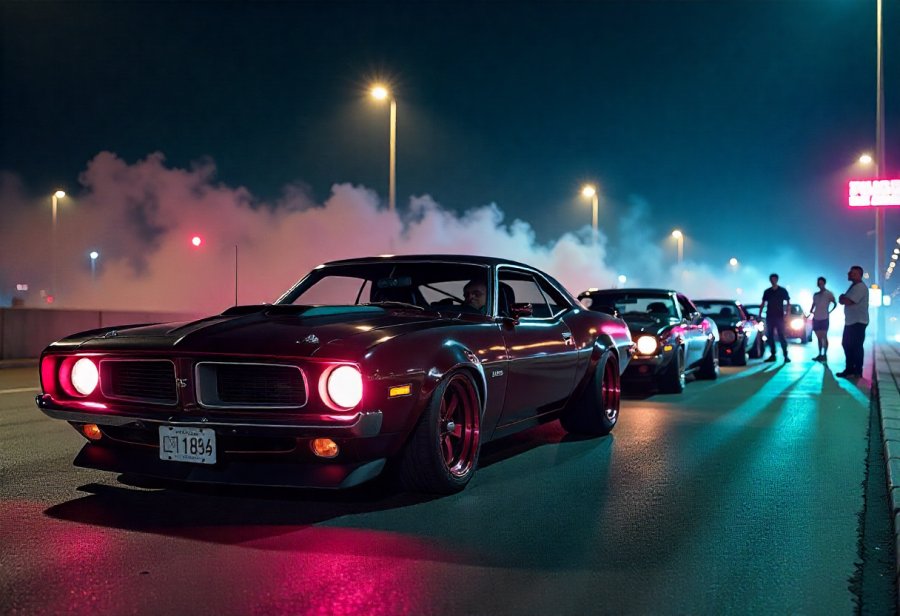
Dive into the Hidden World of Underground Street Racing
Underground street racing is a world that exists outside the bright lights and polished tracks of official motorsport. It’s a secretive scene fueled by adrenaline, rebellion, and a desire to push beyond ordinary limits. Races often happen late at night in empty city streets, abandoned parking lots, or industrial zones where the usual rules don’t apply. The thrill comes from the danger—speeding through darkened streets at high velocity, risking everything for a fleeting moment of victory. This clandestine energy creates an intense atmosphere that’s as much about attitude as it is about the cars themselves.
For many involved, street racing is more than just a hobby; it’s a form of self-expression rooted in urban life. Cars become canvases for individuality, with owners spending hours tuning engines, customizing aesthetics, and building machines that reflect their personality and skill. These vehicles—whether sleek tuners, powerful muscle cars, or high-end supercars—are badges of pride. They tell stories of craftsmanship, loyalty, and community, turning every race into a statement of identity.
This scene isn’t just about speed; it’s about belonging. In neighborhoods where opportunities may be limited, street racing offers a sense of purpose and camaraderie. It’s a space where young people carve out their own space—challenging societal norms and creating a brotherhood built on shared passion and trust. The late-night gatherings foster a sense of loyalty that extends beyond the race itself, forming bonds that last through shared risks and victories.
Over time, the underground racing community has developed its own unspoken rules and codes. Drivers rely on signals, secret locations, and mutual understanding to stay under the radar. These rituals—like exchanging gestures or using encrypted communication—strengthen the sense of trust and exclusivity. The bonds formed through these shared experiences often feel more genuine than those built in conventional social settings, rooted in trust, loyalty, and a collective drive for adrenaline.
At its core, underground street racing is about more than just cars and speed. It’s a cultural movement that embodies resilience, independence, and urban pride. The community’s secrecy and loyalty foster a resilient spirit, enabling it to adapt and survive despite increasing pressure from law enforcement and external threats. In these shadows, a powerful sense of kinship persists—one that celebrates raw passion, camaraderie, and the unbreakable bonds of brotherhood.
The Brotherhood of Speed: Loyalty and Loyalty in Shadows
Underground street racing is about more than just competing for speed; it’s about forging bonds that run much deeper than any lap or race. For many participants, these clandestine gatherings create a brotherhood rooted in shared passion, loyalty, and trust. Over late nights and dangerous turns, racers come to see each other as family, united by a common adrenaline rush and a mutual understanding that’s hard to find elsewhere.
This sense of brotherhood develops through countless hours spent tuning cars, swapping secrets, and navigating risky streets together. Whether it’s sharing technical tips or supporting each other during setbacks, these moments build a foundation of trust that extends beyond the racing itself. When lives are at stake in unpredictable environments, reliance on each other becomes essential. It’s this dependence that creates a bond stronger than friendship—it’s kinship forged in the shadows.
Relationships within these crews often feel more intense than traditional social ties. Reputations are built not just on skill but on loyalty, integrity, and the willingness to stand by your crew no matter what. As outsiders, law enforcement, or rivals threaten their activities, the loyalty among racers becomes a shield, helping them stay united and protect their identities. Respect for unspoken rules and signals further cements this loyalty, creating an insular world that outsiders rarely understand.
The shared experience of late-night races, technical projects, and shared risks deepens these connections. Customizing and tuning cars together becomes a ritual—each modification a symbol of trust and camaraderie. These acts are more than technical tasks; they’re acts of loyalty that reinforce the fabric of the brotherhood. Every swap, every shared secret, strengthens the ties that bind, making these relationships almost like a chosen family.
This unspoken code of conduct—developed through years of trust and shared hardship—ensures the community’s resilience. Members develop an intuitive understanding, reading signals and cues that outsiders would miss. This secret language and shared rituals foster a sense of belonging that outsiders can’t penetrate, keeping the community tight-knit despite external pressures.
In essence, underground racing’s brotherhood is built on a mixture of adrenaline, loyalty, and mutual dependence. It’s a culture that values trust above all, transforming fleeting moments of speed into lifelong bonds. These relationships provide stability amid chaos and give participants a sense of purpose and identity beyond the race. It’s not just about cars—it’s about a shared life in the shadows, where loyalty and brotherhood keep the scene alive and thriving.
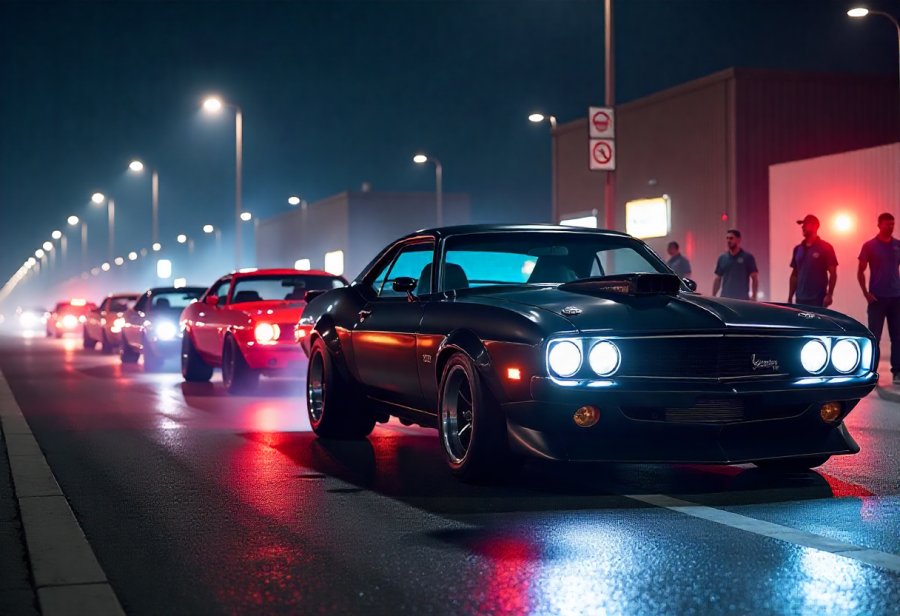
Deep Bonds Forged in the Heart of the Race
Underground street racing creates bonds that go far beyond the thrill of high-speed chases. When drivers navigate dark, unpredictable streets together, they share more than just moments of adrenaline—they forge deep psychological and emotional connections rooted in trust and mutual reliance. These shared experiences, often life-threatening, demand a level of dependence that transforms casual racers into a tight-knit community. Over time, this reliance builds a sense of loyalty that withstands external pressures and internal challenges alike.
The environment of risk and reward fosters a unique form of trust. Drivers learn to read each other’s cues, anticipate needs, and support one another during tense or dangerous situations. Whether it’s a quick signal before a risky maneuver or subtle gestures that communicate a plan, these unspoken languages strengthen the bonds of understanding. The shared effort of tuning cars, planning routes, and navigating risky environments deepens this trust, as each member recognizes the importance of collective safety and success.
Late-night racing sessions serve as rituals that cement emotional ties. These moments of shared danger and adrenaline become rites of passage, where camaraderie is tested and strengthened. When everyone’s judgment is pushed to the limit, reliance on each other’s skills and instincts becomes instinctive. This creates an almost intuitive connection—driving together becomes a dance of trust, where each person’s role is vital to the group’s survival and achievement.
The community’s cohesion is reinforced through a language of signals, codes, and rituals. Insider phrases like “green light” or “check the deck” act as secret cues, solidifying a sense of belonging in an exclusive circle. Respecting these signals and maintaining discretion are acts of loyalty that reinforce the community’s resilience. They create a shared identity that outsiders can’t access, making the bonds among racers even stronger.
These emotional ties are reinforced through shared hardships and victories. Supporting each other through setbacks, celebrating wins, and working together on car modifications foster a sense of collective pride. Each act of loyalty—whether swapping parts or sharing technical knowledge—deepens the connection, transforming a group of racers into a chosen family. The trust developed in these moments provides stability and purpose amid the chaos of urban racing.
Ultimately, the bonds formed through underground street racing are less about the cars and more about the people behind the wheel. They embody a powerful mix of adrenaline, loyalty, and mutual dependence that creates lifelong relationships. These emotional connections turn fleeting moments of danger into enduring stories of kinship—proof that in the shadows of the city, true brotherhood is built in the heat of high-speed pursuit.
Unlocking the Psychology and Social Fabric of Underground Racing
Underground street racing is more than just a pursuit of speed; it’s a complex web of social bonds and psychological trust that shapes how participants see themselves and each other. The shared risks, secrecy, and adrenaline-fueled moments forge connections rooted in loyalty and mutual reliance. Drivers depend on each other not only for safety during high-stakes races but also for emotional support, creating a sense of kinship that extends beyond the pavement.
Trust is built through countless hours of tuning cars together, exchanging secrets about modifications, and navigating risky environments side by side. These shared efforts foster a sense of stability amid chaos, where each member’s skill and judgment become vital to the group’s survival. The reliance on one another during tense moments deepens relationships and transforms casual acquaintances into a tight-knit community.
The environment of risk and reward cultivates an almost intuitive connection among racers. Over late-night sessions, where nerves are tested and adrenaline peaks, drivers develop a language of signals, cues, and rituals that communicate trust without words. Respecting these unspoken codes reinforces loyalty, making outsiders feel excluded and strengthening the bonds within the group. This shared understanding becomes a shield against external threats like law enforcement or rival crews.
Supporting each other through setbacks and celebrating victories further cements emotional ties. These acts of loyalty—whether sharing technical tips or standing by during challenging times—turn a group of racers into a chosen family. Every shared secret, every act of dependability, weaves a fabric of trust that sustains the community through external pressures and internal challenges.
The psychological aspect is just as vital as the technical. The adrenaline rush during races creates a collective high that binds participants in a unique way. Facing danger together, they develop a resilience rooted in shared experience, which reinforces their sense of belonging. This emotional depth transforms fleeting moments of speed into lifelong stories of kinship and loyalty.
This community’s strength comes from its members’ ability to rely on each other without question. Loyalty isn’t just about keeping secrets—it’s about trusting that each person will act in the best interest of the group, especially when external dangers loom. This unwavering trust ensures that their bonds remain resilient despite the constant threats they face.
In essence, underground street racing’s social fabric is woven from trust, loyalty, and shared adrenaline. It turns high-speed pursuits into powerful relationships that endure beyond the races themselves. These bonds, forged in secrecy and danger, highlight how the scene’s true strength lies in its emotional and psychological connections—relationships that keep the spirit of underground racing alive.
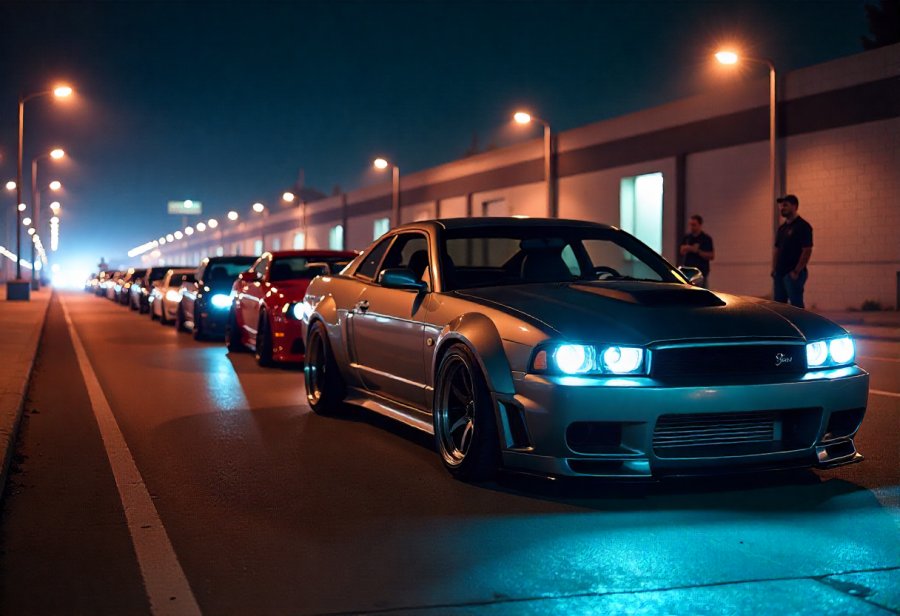
Future Visions: Evolution and Resilience in Street Racing Culture
Underground street racing remains a resilient and adaptive culture, continuously evolving to meet new challenges and harness emerging opportunities. Today’s racers are increasingly leveraging digital tools and social media platforms to organize clandestine events more discreetly and efficiently. Encrypted messaging apps and private channels enable crews to connect, share tips, and coordinate races without attracting law enforcement attention. This digital shift has helped the scene persist despite heightened scrutiny and crackdowns, proving its ability to adapt while maintaining its core identity.
Despite growing risks, the values of loyalty, brotherhood, and urban expression stay at the heart of the scene. Racers are adopting smarter tactics—using secret locations, developing unique signals, and employing technology to stay one step ahead of authorities. These innovations demonstrate a scene rooted in tradition but quick to embrace new methods, ensuring its survival in an increasingly monitored environment. The community’s resilience is fueled by a shared sense of purpose and identity, motivating members to protect their culture rather than relinquish it.
Technological advances now play a key role in enhancing both safety and performance. Apps for vehicle tuning, route planning, and risk management have become common tools, allowing racers to push their limits with greater control. This seamless integration of tech into the rebellious spirit of street racing keeps the scene vibrant and relevant, attracting a new generation of enthusiasts who value innovation alongside loyalty. It’s a delicate balance—respecting roots while moving forward—that keeps underground racing alive.
Looking ahead, the scene is poised to become more sophisticated, blending digital tools into its clandestine operations. As communities grow more tech-savvy, they will continue developing methods for staying connected, organizing races, and avoiding detection. This digital evolution underscores the deep-seated bonds of loyalty and brotherhood that motivate members to adapt rather than abandon their roots. It’s this unbreakable foundation that sustains the scene amid external pressures.
However, this push for innovation sparks ongoing debates within the community. Some purists worry that embracing more technology might dilute the raw, rebellious essence that defines street racing. Others see it as essential for growth and longevity. This tension between tradition and progress keeps the scene dynamic, ensuring it remains both true to its origins and capable of evolving with the times.
The resilience of underground racing ultimately depends on its ability to strike this balance. By maintaining the raw, underground identity while adopting new tools and techniques, the scene ensures its survival and continued vitality. The unshakeable bonds of loyalty and brotherhood serve as a foundation, inspiring members to adapt instead of retreat. This ongoing dance of innovation and tradition keeps the spirit of underground racing alive and thriving.
In the end, the future of underground street racing looks promising—not because it will lose its edge, but because its core community remains committed to resilience and evolution. The bonds forged in shadows continue to fuel its growth, transforming high-stakes speed into a lasting symbol of urban resilience and shared identity. As technology and culture intertwine, this scene will keep pushing boundaries, driven by loyalty, passion, and the unbreakable brotherhood that defines its spirit.