Discover the extraordinary world of Alexander the Great, a leader whose cunning strategies and relentless ambition reshaped ancient civilizations and redefined empire-building. How did a young prince harness deception, rapid maneuvering, and cultural sensitivity to conquer vast territories from Greece to India? His mastery extended beyond battlefield tactics to founding cities like Alexandria, blending Greek and local traditions to foster loyalty and stability. Yet, what truly set him apart was his ability to inspire unwavering loyalty through personal bravery and authentic leadership, transforming conquest into cultural fusion. This compelling portrait invites reflection on timeless lessons: adaptability in unpredictable environments, the power of influence rooted in respect, and the importance of visionary leadership. As his legacy endures, one questions—how can modern leaders emulate Alexander’s daring innovation, strategic depth, and cultural intelligence to leave a lasting impact in today’s complex world?

Unveiling Alexander the Great: A leader Forged by Strategy and Vision
Alexander the Great remains one of history’s most compelling figures, not merely because of the vast empire he carved out but because of the extraordinary strategic mind and leadership qualities he demonstrated along the way. His rapid expansion across Persia, Egypt, and into India transformed the ancient world’s political and cultural landscape, establishing a legacy that endures in military and leadership thought to this day. From a young age, Alexander was meticulously groomed for greatness; born in 356 BCE in Pella, Macedonia, he was the son of King Philip II and Queen Olympias. His early education under Aristotle, one of Greece’s most revered philosophers, played a pivotal role in shaping his worldview—fostering a curiosity about science, philosophy, and leadership that would underpin his future conquests.
What set Alexander apart was his ability to combine daring innovation with relentless ambition. His campaigns exemplify a mastery of empire-building that went beyond mere conquest. He demonstrated exceptional talent in adapting to diverse terrains and cultures—using deception, rapid maneuvering, and psychological warfare to outthink opponents often outnumbered and outmatched. This strategic flexibility was complemented by his personal charisma; he inspired unwavering loyalty among his troops by sharing their risks and leading from the front. Such qualities created a potent sense of unity and purpose, propelling his armies across continents in swift, decisive campaigns that continue to captivate historians and strategists alike.
Beyond battlefield tactics, Alexander’s leadership extended into governance, where cultural sensitivity and integration played crucial roles. Unlike many conquerors who relied solely on brute force, he founded cities—most famously Alexandria in Egypt—that served as centers of commerce, learning, and cultural exchange. These urban hubs became melting pots, blending Greek traditions with local customs and fostering a cosmopolitan identity. This approach of cultural fusion not only facilitated administration but also laid the groundwork for the Hellenistic era, during which Greek influence spread far beyond its original borders, shaping societies for generations to come.
Understanding Alexander’s significance also requires considering the complex political landscape of his time. The remnants of the Persian Empire, though weakened by internal strife and external pressures, still commanded vast territories and diverse populations. Meanwhile, Greece’s city-states, sharing a common heritage but often fractured by rivalry, created a volatile environment. The victory at the Battle of Chaeronea in 338 BCE, where Philip II defeated a coalition of Greek city-states, effectively ended Greece’s independence and established Macedonian hegemony. This victory was both a military triumph and a strategic move that allowed Alexander to focus his energies on the east, confident that the Greek world was unified under his father’s, and later his, leadership.
Finally, Alexander’s legacy extends far beyond territorial gains. His vision of a unified empire rooted in shared cultural ideals and strategic innovation set a precedent for future leaders. He transformed the concept of leadership from mere conquest to cultural diplomacy, founding cities that became symbols of Greek influence and integrating local elites into his administration. His relentless drive, combined with his capacity to inspire loyalty and adapt to circumstances, made him a figure of visionary leadership whose influence persists. By examining his early life, strategic brilliance, and cultural approach, we begin to understand how Alexander redefined what it meant to lead, conquer, and leave a lasting mark on history.
Setting the Stage: The Complex World of Alexander’s Era and Cultural Tapestry
The world into which Alexander the Great was born was a complex mosaic of fractured kingdoms, shifting alliances, and rich cultural exchanges that set the stage for his unprecedented campaigns. The remnants of the Persian Empire, though weakened by internal strife and external pressures, still commanded vast territories and diverse populations, exerting a long shadow over the eastern Mediterranean and beyond. Meanwhile, Greece’s city-states, unified by a shared language and cultural identity, remained fiercely independent and often hostile toward one another. Their rivalry created a volatile political environment where military innovation, diplomacy, and strategic alliances became essential tools for any leader aspiring to expand influence or unify the fragmented landscape.
The cultural tapestry of the era further complicated the political picture. Greek ideas of governance, philosophy, and art intertwined with the traditions of Egypt, Persia, Central Asia, and India. This vibrant environment of exchange and tension influenced Alexander’s approach to conquest—viewing it not solely as military conquest but as an opportunity for cultural fusion. The diverse traditions, beliefs, and customs he encountered prompted him to adopt a flexible mindset, blending elements from different civilizations to forge a more resilient and adaptable empire. Recognizing that identities were fluid and boundaries often permeable, Alexander aimed to incorporate local customs into his rule, fostering loyalty through cultural respect and mutual influence.
At the heart of Macedonian power was Philip II, Alexander’s father, whose military reforms and diplomatic strategies had already begun reshaping Greece. Philip’s innovations—most notably the development of the Macedonian phalanx with its long sarissas and the strategic use of combined arms—created a formidable army capable of swift, decisive action. His diplomatic efforts, including strategic marriages and alliances, laid a foundation that Alexander would build upon. When Philip was assassinated in 336 BCE, the political landscape was left in flux, yet Macedonia’s military strength and strategic position provided Alexander with a critical advantage. His formative years were marked by internal consolidation, learning from Macedonian military successes and court politics, preparing him for the vast challenges ahead.
The Greek city-states, despite their shared heritage, remained embroiled in rivalry and suspicion. The decisive victory at the Battle of Chaeronea in 338 BCE, where Philip’s forces defeated a coalition of Greek city-states, effectively ended their independence and established Macedonian dominance over Greece. This victory was not merely a military triumph; it was a strategic move that unified the region under Macedonian hegemony and allowed Alexander to shift his focus eastward without the distraction of internal Greek conflicts. With Greece under Macedonian control, Alexander inherited a continent unified in purpose but still politically fragile, ready to be leveraged for his grand ambitions.
As he prepared to challenge Persia, Alexander faced a world of competing loyalties, regional rivalries, and complex power dynamics. Persia, although weakened by internal dissent and rebellious satrapies, remained a formidable empire, with vast territories governed by semi-autonomous satraps—local rulers who often maintained their own armies and courts. Navigating this intricate web required more than brute military force; it demanded diplomatic finesse and cultural sensitivity. Alexander’s early victories in Asia Minor, exemplified by the Battle of Issus, demonstrated his ability to exploit Persian vulnerabilities while respecting local customs—traits that would prove essential in consolidating his empire’s eastern frontiers.
The conquest of Egypt added another layer to this intricate geopolitical puzzle. Egypt’s storied history, wealth, and strategic importance made it a prized jewel in Persia’s empire. When Alexander entered Egypt, he was welcomed as a liberator from Persian rule, and he took the opportunity to found Alexandria—an urban hub designed to serve as a center of commerce and Greek influence. These cities became more than military outposts; they symbolized a new cultural and economic order, blending Greek traditions with local customs and establishing a foundation for Hellenistic culture. This strategy of cultural fusion not only secured loyalty but also created a model for sustainable empire-building rooted in shared influence and mutual respect.
The broader context of Alexander’s era was one of transition and possibility. The decline of the Persian Empire created a power vacuum that Alexander was uniquely positioned to fill—yet success depended on navigating the political, cultural, and military complexities of each region. His campaigns, therefore, were not merely about territorial expansion but about shaping perceptions, forging alliances, and integrating diverse peoples into a cohesive whole. The political landscape was fluid, with alliances shifting and loyalties tested, but Alexander’s ability to adapt and respond dynamically to these circumstances was crucial. His mastery in combining military innovation, diplomacy, and cultural intelligence allowed him to turn a series of military victories into the foundation of an empire that, while short-lived, left an indelible mark on history.

Mastering Warfare and Leadership: The Core Strategies That Built an Empire
Alexander the Great’s mastery of military strategy was rooted in a sophisticated blend of deception, rapid maneuvering, and cultural adaptability—traits that set him apart from many of his contemporaries. His tactical approach often relied on the element of surprise and psychological warfare, employing feints and misdirection to lure larger, more established enemies into vulnerable positions. The Battle of Gaugamela exemplifies this, where Alexander’s use of complex battlefield deception caused Darius III’s Persian forces to falter, exposing their weaknesses. Such tactics were not merely about misdirection; they were carefully calculated psychological tools designed to undermine morale and create openings that could be exploited swiftly and decisively, giving him a crucial edge even against numerically superior foes.
Speed and mobility formed the backbone of Alexander’s military doctrine. His armies moved with astonishing agility across diverse terrains—deserts, mountains, rivers—that would have daunted lesser commanders. This operational tempo enabled him to strike unexpectedly, often catching enemies off guard and preventing them from regrouping or mounting coordinated defenses. Behind this rapid advance lay meticulous logistical planning: securing supplies, streamlining communication, and ensuring troop readiness. These logistical finesse and strategic foresight allowed his forces to operate far from home base, maintaining momentum and stretching opponents’ resources thin. The ability to adapt his tactics seamlessly to different environments—whether scaling mountain passes or traversing arid plains—demonstrated a flexibility that kept his campaigns unpredictable and effective.
Leadership qualities like personal bravery, charisma, and relentless ambition infused Alexander’s campaigns with energy and resolve. He led from the front, sharing risks and inspiring loyalty through visible acts of courage. His presence on the battlefield often served as a rallying point, motivating his troops to perform feats of endurance and bravery they might not have believed possible. Beyond personal bravery, Alexander’s psychological insight allowed him to cultivate a shared sense of purpose—framing his campaigns as a divine mission that transcended mere conquest. This emotional connection forged a loyalty that persisted through hardships, turning his army into a cohesive, motivated force capable of executing complex maneuvers under extreme pressure. His ability to inspire trust and mutual devotion was central to his success as a leader of men.
Alexander’s empire-building strategy extended well beyond battlefield triumphs into the realm of cultural diplomacy. He recognized that sustainable conquest depended on integrating local customs, recruiting diverse soldiers, and respecting regional traditions. The founding of cities like Alexandria was no accident; these urban centers served as administrative hubs and symbols of Greek influence, blending Greek architecture, governance, and learning with local practices. This deliberate cultural fusion fostered loyalty and stability among newly conquered peoples, creating a sense of shared identity that transcended mere military dominance. By weaving local traditions into his administration, Alexander laid the groundwork for a resilient empire rooted in mutual influence and cooperation, rather than solely in subjugation.
Perhaps most importantly, Alexander’s strategic flexibility exemplifies the importance of adaptability in leadership. His campaigns did not follow a rigid blueprint; instead, he responded dynamically to the unique challenges each region presented. Whether navigating the mountainous terrain of India or the deserts of Persia, he adjusted his tactics accordingly—employing different formations, siege techniques, and diplomatic strategies. This responsiveness extended to his alliances, often forging treaties or marrying into local dynasties to secure support. Such adaptability was not a sign of indecisiveness but a calculated recognition that success in empire-building depended on understanding and responding to constantly shifting circumstances. His capacity to coordinate different military arms—infantry, cavalry, siege engines—and switch seamlessly between tactics created multidimensional threats that overwhelmed opponents and sustained his momentum across the vast frontier. This strategic depth, combined with cultural sensitivity, transformed military victory into lasting influence, making his campaigns a model of holistic empire-building.
Timeless Lessons from Alexander: Applying Ancient Wisdom to Modern Leadership
Alexander’s strategic mastery extends well beyond the battlefield, offering timeless lessons for modern leadership and strategic thinking. His ability to adapt tactics swiftly in unfamiliar and unpredictable environments remains a fundamental principle for today’s leaders navigating complex, volatile landscapes. Whether in business, politics, or military operations, the capacity to pivot quickly, reassess circumstances, and reconfigure plans can turn what seem like setbacks into opportunities for growth and innovation. Leaders who emulate Alexander’s flexibility understand that rigid adherence to a predetermined course often leads to failure when faced with unforeseen challenges. Instead, they thrive by maintaining strategic agility, allowing them to seize advantage amid chaos and uncertainty.
Psychological warfare was another hallmark of Alexander’s approach, and it underscores the importance of understanding human behavior and influence. His use of deception, surprise, and strategic communication in battle mirrors many modern techniques of negotiation, organizational change, and public relations. By cultivating trust, inspiring confidence, and framing his campaigns as a shared, almost divine mission, he demonstrated that influence often hinges on perception as much as on action. Leaders who master the art of shaping perceptions and fostering morale can motivate their teams, disarm opposition, and build resilient organizations capable of weathering crises. The enduring relevance of these tactics highlights that understanding and influencing human psychology remains central to effective leadership.
Cultural sensitivity and inclusivity, central to Alexander’s empire-building, are equally vital lessons for contemporary leadership. His willingness to incorporate local customs, recruit diverse personnel, and respect regional traditions fostered loyalty and stability in newly conquered territories. This approach prefigures today’s emphasis on diversity and cross-cultural collaboration, especially in a globalized economy. Valuing different perspectives and creating environments where multiple traditions coexist not only reduces resistance but also sparks innovation. Leaders who recognize that shared values and mutual respect are the foundation of sustainable alliances tend to foster more resilient and adaptive organizations. Alexander’s integration of cultural intelligence into his strategy exemplifies how embracing diversity can be a source of strength rather than division.
Leading by example was a critical element of Alexander’s leadership style. His personal bravery, relentless drive, and willingness to share risks with his troops inspired unwavering loyalty. Authentic engagement—demonstrating resilience and commitment on the front lines—motivate others far more effectively than commands alone. Modern leaders who embody these traits foster trust and cohesion within their teams, creating organizations capable of enduring adversity. The power of genuine commitment, demonstrated through actions rather than words, builds deep loyalty and shared purpose. Alexander’s example reminds us that influence rooted in authenticity often surpasses authority based solely on position or hierarchy.
Strategic planning paired with bold execution was at the core of Alexander’s successes. His meticulous logistical preparations, rapid troop movements, and decisive battlefield actions exemplify how thorough planning underpins effective leadership. Anticipating obstacles and acting confidently under pressure are skills that remain vital across disciplines. Whether managing multinational projects, navigating diplomatic negotiations, or leading a military campaign, the ability to combine vision with detailed preparation often determines the outcome. Alexander demonstrated that clarity of purpose, coupled with the courage to act decisively, creates momentum that can carry initiatives through complex and uncertain environments. This blend of preparation and daring remains a cornerstone of effective strategy today.
Flexibility in response to changing circumstances was a defining trait of Alexander’s campaigns. His refusal to be bound by a rigid blueprint allowed him to adapt tactics dynamically to the unique challenges each region presented. Whether scaling mountain passes, crossing deserts, or engaging in urban sieges, he adjusted formations, strategies, and alliances accordingly. This responsiveness extended to his diplomatic efforts—sometimes forging marriages or treaties to secure local support. Such adaptability was not a sign of indecisiveness but a deliberate recognition that success depends on understanding the environment and responding with agility. Modern leaders who embrace this mindset can better navigate the unpredictable complexities of today’s interconnected world.
Alexander’s focus on cultural integration transformed military conquest into a lasting legacy of influence. He founded cities like Alexandria, which served as centers of Greek culture and commerce, blending local traditions with Hellenistic ideas. This deliberate cultural fusion fostered loyalty, stability, and shared identity among diverse populations. It exemplifies a broader principle that empire-building requires more than territorial acquisition; it demands fostering trust, mutual respect, and shared values. Leaders who prioritize cultural intelligence and inclusive governance create sustainable institutions capable of enduring beyond the immediate success of their campaigns. Alexander’s approach underscores that influence rooted in respect and collaboration is far more durable than dominance through force alone.
Finally, Alexander’s campaigns demonstrate that visionary leadership combines daring innovation with strategic depth and cultural sensitivity. His relentless ambition was matched by an acute awareness of the human and cultural dimensions of empire-building. These lessons—adaptability, influence, inclusivity, and resilience—remain as relevant today as they were in antiquity. Leaders who draw inspiration from Alexander’s example understand that true influence depends not just on conquest but on the ability to inspire, adapt, and integrate diverse perspectives into a shared vision. In an increasingly complex world, his legacy reminds us that sustainable success comes from a balanced approach—one that values human relationships as much as strategic mastery, and that recognizes the power of leadership rooted in authenticity, flexibility, and cultural intelligence.
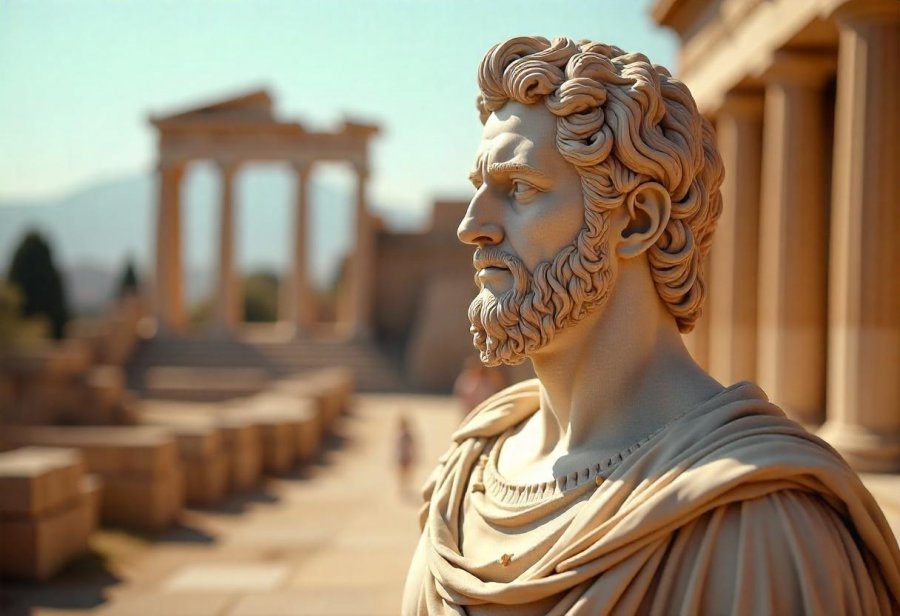
Legacy of a Conqueror: How Alexander’s Principles Continue to Shape Leadership Today
Alexander the Great’s legacy endures not merely through the vast territories he once commanded, but through the enduring principles of strategy and leadership he exemplified. His mastery of deception, rapid maneuvering, and cultural integration revolutionized the art of empire-building, setting standards that continue to resonate in military and leadership circles centuries later. The core lessons—adapting tactics to unfamiliar environments, inspiring unwavering loyalty through personal charisma, and respecting local customs—remain remarkably relevant. These insights reveal that success often hinges on a delicate balance of bold innovation and nuanced understanding of human and cultural dynamics, far beyond mere territorial ambition.
His ability to adapt to shifting circumstances underscores a fundamental truth for leaders across all fields: rigidity can be a fatal flaw. Alexander’s flexibility in response to unpredictable environments ensured that setbacks became opportunities and challenges transformed into advantages. Modern leaders, whether managing organizations, navigating diplomatic landscapes, or leading armies, can draw inspiration from his example. The capacity to pivot swiftly, reassess, and reconfigure strategies under pressure often determines the difference between fleeting success and lasting influence. Flexibility, paired with strategic depth, creates resilience—a trait that remains vital in today’s complex, interconnected world.
Cultural sensitivity and the strategic fusion of diverse traditions formed the backbone of Alexander’s empire-building philosophy. By founding cities like Alexandria and weaving local customs into his governance, he fostered loyalty and stability among a patchwork of peoples. This approach prefigures contemporary leadership practices that emphasize diversity, inclusion, and cross-cultural collaboration. Recognizing that mutual respect and shared values forge stronger bonds than force alone, Alexander demonstrated that influence rooted in understanding and collaboration creates sustainable legacies. His example reminds us that empire-building is as much about human relationships as it is about territory.
Leading by example was not just a tactic for Alexander; it was the essence of his leadership style. His personal bravery, relentless drive, and willingness to share risks galvanized his troops and inspired profound loyalty. His visible acts of courage and resilience created a shared sense of purpose that transcended individual commands. Modern leaders who embody these traits foster trust and cohesion, cultivating organizations capable of withstanding adversity. Authentic engagement, rooted in genuine commitment, often surpasses hierarchical authority in motivating teams and shaping enduring bonds. Alexander’s example affirms that influence grounded in integrity and action outlasts mere position.
Strategic planning combined with bold execution underpinned Alexander’s extraordinary achievements. His meticulous logistical preparations, rapid troop movements, and decisive battlefield maneuvers exemplify how thorough groundwork enables confident action. Anticipating obstacles, acting decisively under pressure, and maintaining momentum turned potential setbacks into stepping stones. This blend of vision and execution remains a cornerstone of effective leadership across disciplines. Leaders today benefit from understanding that clarity of purpose, paired with the courage to act boldly, creates the momentum necessary to navigate complexity and seize opportunities amid chaos.
Flexibility in response to changing circumstances was perhaps Alexander’s most defining trait. His refusal to be bound by rigid plans allowed him to tailor tactics dynamically, whether scaling mountain passes or crossing deserts. This responsiveness extended beyond battlefield maneuvers to diplomatic alliances—marriages, treaties, and cultural accommodations—that secured local support and fostered loyalty. Such adaptability was not a sign of indecisiveness but a strategic recognition that success depends on understanding and responding to the environment. Leaders who embrace this mindset are better equipped to face today’s unpredictable challenges, turning uncertainty into an advantage.
Alexander’s focus on cultural integration transformed conquest into a lasting influence. The founding of cities like Alexandria served as cultural hubs, blending Greek ideas with local traditions. This deliberate fusion fostered loyalty, stability, and a shared identity among diverse populations. It exemplifies a broader truth: sustainable influence demands more than territorial gains; it requires fostering trust, mutual respect, and shared values. Leaders who prioritize cultural intelligence and inclusive governance create resilient institutions capable of enduring beyond immediate victories. Alexander’s approach underscores that influence rooted in respect and collaboration is far more durable than dominance through force alone.
His campaigns exemplify a visionary leadership rooted in daring innovation, strategic depth, and cultural sensitivity. These qualities, seamlessly intertwined, continue to inspire those seeking effective, authentic leadership today. His relentless ambition was matched by an acute awareness of the human and cultural dimensions of empire-building. From this, modern leaders learn that true influence derives not only from conquest but from inspiring, adapting, and integrating diverse perspectives into a cohesive vision. In an era of increasing complexity, Alexander’s legacy serves as a guiding light—reminding us that resilient leadership is built on a foundation of strategic agility, cultural intelligence, and authentic engagement.
Ultimately, Alexander the Great’s influence persists because he demonstrated that lasting legacy is crafted through a combination of innovation, adaptability, and respect for human diversity. His campaigns show that leadership rooted in integrity, flexibility, and cultural understanding can shape history far beyond the immediate scope of territorial conquest. The enduring relevance of his strategies lies in their universality: the recognition that influence is a human endeavor, cultivated through trust, shared purpose, and the courage to lead boldly into the unknown. As today’s world continues to evolve in complexity, the lessons from Alexander’s life remind us that the greatest leaders are those who understand the power of influence—shaped by daring vision, strategic depth, and an unwavering respect for the human element. His legacy remains a testament to the profound impact that visionary leadership, rooted in empathy and resilience, can leave for generations to come.