What if true leadership’s greatest strength isn’t external conquest but inner discipline? Marcus Aurelius exemplifies this paradox, ruling Rome amidst wars and plagues with unwavering moral clarity and self-control, as revealed in his meditative writings. His life invites us to consider whether resilience, humility, and emotional mastery—qualities rooted within—are the true foundations of influence. In today’s volatile world, this ancient insight gains new relevance: modern leaders increasingly rely on mindfulness, self-awareness, and moral integrity to navigate rapid change and uncertainty. Can cultivating inner strength become the most powerful strategy for sustainable leadership? As neuroscience shows resilience can be developed through daily habits, the challenge lies in embracing continuous self-improvement. This exploration suggests that, in a future marked by complexity, the leadership qualities that endure are rooted not in external displays but in inner steadiness—an enduring empire within.
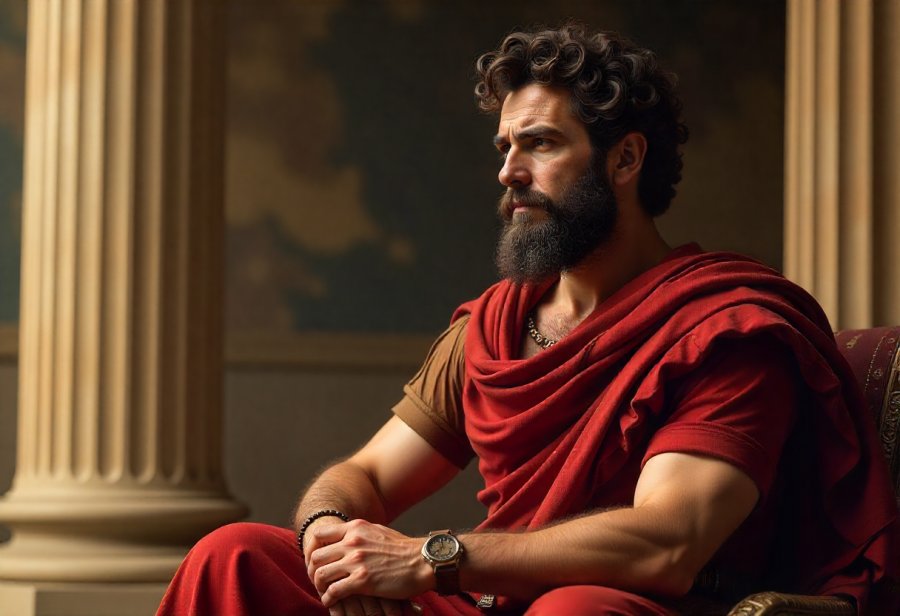
Inner Strength: The Hidden Foundation of True Leadership
Leadership isn’t solely about making big decisions or wielding authority; at its core, it’s rooted in inner strength. True leadership begins within, built on discipline, resilience, and self-control. Think of inner discipline as the foundation that holds everything else upright—without it, external achievements can feel fragile and fleeting. When leaders cultivate inner resilience, they become better equipped to handle setbacks, stay aligned with their values, and guide others with calm and clarity. It’s the quiet strength that doesn’t need to shout to be felt, shaping lasting influence through steadiness and integrity.
Marcus Aurelius understood this deeply. Despite ruling a vast empire, his real power came from mastery over himself. His writings in *Meditations* reveal a leader who valued humility, emotional control, and continuous self-improvement. These qualities allowed him to face crises—wars, plagues, political upheavals—with a calm mind and moral clarity. His strength wasn’t measured by external conquests but by the mastery of his character, proving that authentic power stems from within.
Resilience isn’t just about enduring adversity; it’s about thriving through it. Leaders who develop inner strength remain grounded amid chaos, making thoughtful decisions instead of reactive ones. This internal steadiness inspires confidence and trust in others, creating a ripple effect that elevates entire teams and organizations. For individuals, resilience fosters self-awareness and emotional balance—crucial assets for growth and effective leadership.
Building this kind of strength is a gradual process, rooted in daily habits. Small acts like reflection, mindfulness, and setting clear intentions strengthen mental resilience over time. Each deliberate effort adds to a stable foundation that can support even the most turbulent challenges. The journey of cultivating inner discipline is ongoing, but the payoff is undeniable: a calm, focused presence that influences others more powerfully than any external display of authority.
Ultimately, leadership rooted in inner strength is about more than just personal growth; it’s about setting a standard for others. When your actions consistently reflect patience, humility, and moral clarity, you create a culture of resilience and integrity. This inner foundation not only sustains your influence but also encourages those around you to develop their own inner virtues. In a world of constant change, it’s this steady, grounded leadership that leaves a lasting legacy.
Marcus Aurelius: The Philosopher-King’s Inner Mastery
Marcus Aurelius ruled as Roman Emperor from 161 to 180 AD, a period marked by ongoing wars, devastating plagues, and political instability. Despite these external challenges, he dedicated himself to philosophy, especially Stoicism, which profoundly shaped his leadership approach and resilience. Known as the philosopher-king, Marcus believed that true strength came not from military might or territorial expansion but from inner virtue and moral integrity. His writings, particularly *Meditations*, reveal a leader committed to self-improvement, humility, and rationality amid chaos.
Stoic philosophy, rooted in the teachings of Zeno, Seneca, and Epictetus, played a central role in Marcus’s life. It emphasizes that we cannot control external events, only our responses to them. This mindset encouraged him to develop self-control, rational decision-making, and a focus on moral virtue as the true sources of strength. By practicing these principles, Marcus learned to remain calm during crises and to prioritize inner stability over fleeting external victories.
Throughout his reign, Marcus shifted his focus from outward displays of power—such as military conquests or wealth accumulation—to cultivating inner mastery. Early in life, he sought to prove himself through traditional symbols of authority, but personal reflection and philosophical study led him to see that lasting strength resides within. His responses to hardships, including wars and plagues, highlight this evolution: instead of seeking external fixes, he emphasized the importance of a disciplined, calm mind capable of enduring adversity.
In moments of crisis, Marcus drew inspiration from Stoic teachings and from mentors like Epictetus and Seneca. Their emphasis on rationality and emotional resilience reinforced his belief that inner strength was the foundation of effective leadership. His decision to stay with his troops during the Antonine Plague, risking his health and safety, exemplifies this inner discipline—choosing moral duty over personal safety and showing resilience in the face of overwhelming chaos.
His life demonstrates that true leadership is measured by mastery over oneself, not external displays of dominance. Marcus’s unwavering commitment to inner virtues—humility, patience, and moral clarity—enabled him to govern a vast empire while maintaining personal integrity. His legacy endures because he understood that external power is fleeting, but inner resilience sustains influence across generations.
Marcus Aurelius’s example continues to inspire modern leaders and thinkers. His ability to face adversity with calm, clarity, and moral strength offers a timeless lesson: the greatest empire one can build is within. In a world of constant change and uncertainty, cultivating inner discipline remains the most reliable source of true strength and authentic leadership.
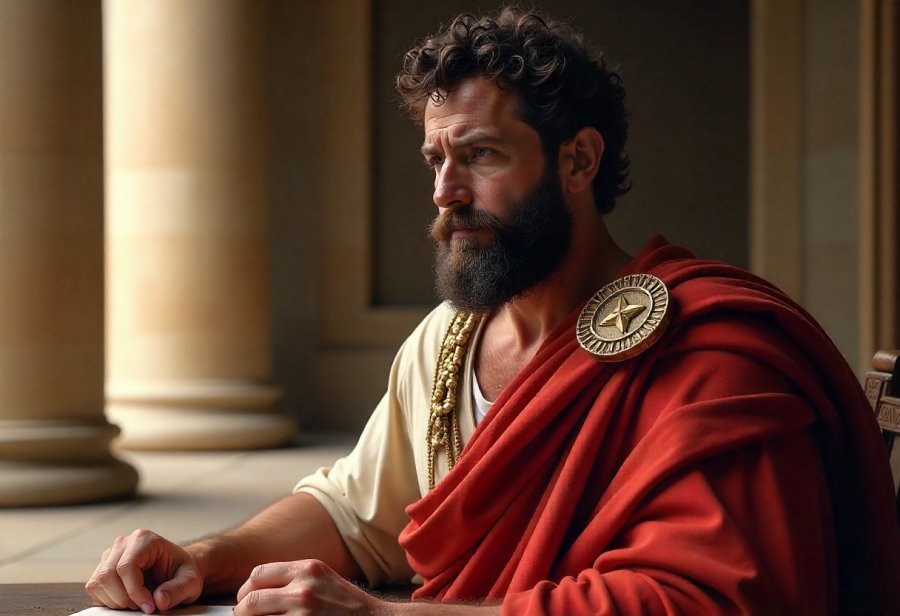
Why Inner Discipline Matters More Than Ever in Modern Leadership
In today’s fast-paced, interconnected world, inner discipline has become more vital than ever. Leaders across sectors—business, politics, social movements—are increasingly valued for qualities like emotional intelligence, resilience, and moral clarity. These traits, all rooted in inner strength, are proving essential for guiding organizations and communities through rapid change and unforeseen challenges. Instead of relying solely on external achievements or superficial displays of power, successful leaders now focus on cultivating self-awareness and mental fortitude, which serve as a foundation for long-term influence.
Practices like mindfulness, meditation, and emotional regulation are gaining popularity because they help individuals stay centered amid chaos. These tools remind us that inner resilience isn’t something we’re born with; it’s something we develop through daily effort. When leaders intentionally pause, reflect, and manage stress, they build a mental buffer that enables clearer decision-making and more thoughtful responses. This internal steadiness becomes a strategic advantage, especially when external circumstances seem unpredictable or overwhelming.
Many experts agree that sustainable influence depends on inner virtues. Emotional intelligence fosters authentic connections, building trust and collaboration. Meanwhile, moral clarity ensures choices align with core values, even under pressure to cut corners. These qualities create a stable foundation that external power can’t easily replicate. Organizations prioritizing inner discipline tend to adapt faster, innovate more effectively, and inspire loyalty over the long haul. In this way, inner strength becomes a vital driver of resilience and sustained success.
Some might argue that focusing on internal virtues could lead to complacency or passivity. But the truth is, inner strength amplifies external action—it provides the calm and clarity needed to act ethically and decisively. When leaders are grounded internally, they’re less swayed by temporary trends or external noise. Instead, they respond purposefully, earning respect and fostering a culture of integrity. This balance of inner calm and outward action is increasingly recognized as the hallmark of effective leadership in complex environments.
As organizational cultures evolve, the emphasis on inner discipline is set to deepen. Companies are integrating resilience training, emotional intelligence development, and mindfulness initiatives into leadership programs, recognizing their impact on performance and morale. Advances in neuroscience and mental health research show that resilience is a skill that can be cultivated through consistent practice, making inner discipline accessible to anyone willing to invest in their growth. Leaders who embrace this mindset will be better equipped to navigate rapid change and uncertainty, turning inner strength into their most valuable asset.
Looking ahead, the leaders of tomorrow will understand that true power originates within. Mastery over oneself—developed through daily habits of reflection, patience, and humility—will distinguish those who can lead with authenticity and resilience. Inner discipline isn’t just a personal virtue; it’s the foundation for sustainable, impactful leadership in a world that demands both agility and moral clarity. Those who invest in cultivating their inner strength will not only survive the turbulence of change but thrive, guiding others toward a more stable and principled future.
Cultivating Inner Resilience: Practical Strategies for Leaders
Cultivating inner discipline as a leader is an ongoing process that benefits from simple, consistent practices. Starting with daily routines like reflection, journaling, or meditation can significantly strengthen your mental resilience. These habits increase your awareness of your thoughts and emotions, making it easier to recognize triggers that might lead to reactive behavior. Over time, this awareness helps you make deliberate choices aligned with your values, especially under pressure.
Practicing self-control is just as vital. When faced with difficult situations, pause before reacting—whether through deep breathing or a quick mental check. This small moment creates space for a more thoughtful response, reinforcing your ability to stay calm and composed amid chaos. Consistently applying this pause trains your mind to remain steady, setting a tone of steadiness that others will naturally follow.
Building wisdom involves active listening and seeking out diverse perspectives. Giving others your full attention instead of rushing to respond broadens your understanding and prevents narrow-minded reactions. Humility plays a key role here—acknowledging what you don’t know keeps you open to learning and correction. Approaching challenges with curiosity and patience deepens your inner strength, helping you navigate complex issues with clarity and confidence.
Handling stress, burnout, or distraction requires proactive strategies. Setting clear boundaries around your time and energy protects your mental space and keeps you focused on what truly matters. Mindfulness practices serve as anchors during hectic periods, helping you remain present and centered. Viewing setbacks as opportunities for growth rather than insurmountable obstacles strengthens your resilience and sharpens your decision-making.
Learning from others accelerates your development. Mentors, peer feedback, and reading diverse philosophies expose you to different ways of cultivating inner strength. Observing how effective leaders handle adversity offers practical lessons you can adapt to your own context. Reflecting on these insights makes your growth more personal and sustainable.
Demonstrating inner discipline through consistent actions builds trust and respect. When your behavior aligns with your core values—showing patience in stressful moments or humility in success—you set a powerful example. This consistency fosters a resilient culture, encouraging others to pursue their own inner growth. Over time, your steady commitment transforms leadership into a living practice rooted in self-mastery.
Remember, inner discipline isn’t about perfection but progress. Each intentional act—no matter how small—strengthens your resilience and enhances your wisdom. Leaders who prioritize this ongoing effort not only improve their own capacity but inspire those around them to develop their inner virtues. In a world of rapid change, this inner steadiness becomes your greatest asset, guiding you and others through uncertainty with clarity and moral strength.

The Future of Leadership: Embracing Inner Discipline in a Changing World
Looking ahead, the importance of inner discipline in leadership is set to grow as our world becomes even more complex and interconnected. Rapid technological advances, global crises, and shifting societal expectations demand leaders who can stay grounded, adaptable, and morally clear. Digital tools like mindfulness apps, virtual coaching, and personalized resilience programs will make cultivating inner strength more accessible, turning it into a strategic asset rather than just an individual virtue.
Organizations are increasingly recognizing that sustainable success depends on qualities like empathy, humility, and resilience—traits rooted in inner discipline. Companies investing in emotional intelligence training, resilience-building initiatives, and moral development are better positioned to navigate uncertainty. Future leaders will need to balance strategic thinking with self-mastery, understanding that their ability to remain calm and clear under pressure directly influences long-term influence and trust.
Resilience isn’t fixed; recent neuroscience and mental health research show it can be cultivated through consistent effort. Daily practices such as reflection, mindfulness, and seeking feedback are scalable skills anyone can develop. Leaders who embrace this mindset will be better equipped to handle rapid change, setbacks, and unforeseen challenges, transforming inner strength into their most reliable foundation.
The shift toward remote work and virtual teams also highlights the need for inner discipline. Leaders now must model self-control and emotional regulation across digital spaces, maintaining authenticity and consistency without physical cues. This underscores that inner resilience isn’t just about physical presence—it’s about cultivating a steady, centered mind regardless of external circumstances, which in turn inspires confidence and steadiness in others.
As leadership development becomes more holistic, cultivating inner discipline will remain central. Programs focused on self-awareness, emotional agility, and moral clarity will foster a new generation of leaders who are not only strategic but also deeply resilient and ethically grounded. This internal focus supports agility and innovation, enabling leaders to respond thoughtfully rather than react impulsively.
The cultural landscape is evolving to value authenticity and inner strength more than ever before. The leaders who prioritize inner discipline—through consistent reflection, patience, and humility—will stand out in turbulent times. They will be the ones who guide their teams through uncertainty with clarity and moral conviction, shaping organizations that are resilient from the inside out.
Investing in inner discipline is accessible to anyone willing to practice daily habits. Small acts like pausing before reacting, journaling, or practicing gratitude compound over time, strengthening mental resilience. Leaders who commit to this ongoing process set a powerful example, encouraging others to pursue their own inner growth and fostering a culture rooted in integrity and inner strength.
In a future driven by constant change, mastery over oneself will be the hallmark of true leadership. Those who develop inner discipline now will be better prepared to inspire trust, navigate crises, and build lasting influence. Inner strength isn’t just a personal virtue—it’s the foundation for sustainable, impactful leadership in an unpredictable world.