Cleopatra VII is often remembered through her legendary allure, yet her true legacy lies in her sharp intellect, strategic mastery, and cultural finesse. Could a ruler’s influence truly be rooted in knowledge rather than charm? This compelling portrayal reveals her as a scholar-queen—multilingual, diplomatically astute, and deeply engaged in sciences, philosophy, and religious symbolism. Amid the political upheaval of a shifting Mediterranean landscape, Cleopatra’s ability to forge alliances with figures like Julius Caesar and Mark Antony was not based on superficial allure but on calculated diplomacy and cultural intelligence. Her leadership seamlessly blended tradition with innovation, demonstrating resilience and adaptability in turbulent times. Her story challenges modern notions of power, reminding us that true influence stems from a keen mind and strategic foresight. As a master of relationships and cultural literacy, Cleopatra exemplifies how genuine authority is built on knowledge—an enduring lesson for leadership today. Could her real power be the strength of her mind?
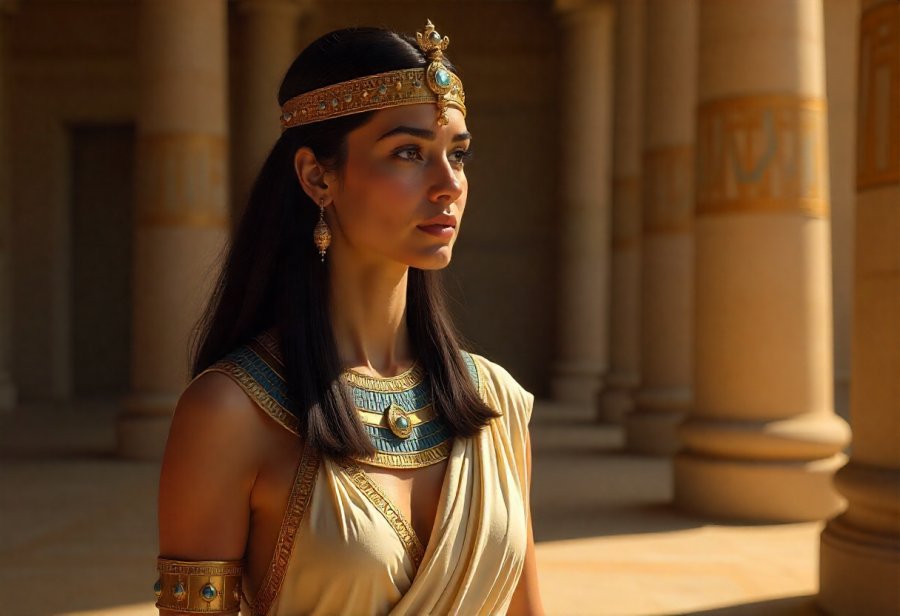
Unveiling Cleopatra VII: The Mind Behind the Myth
Cleopatra VII is often remembered through her legendary image—draped in glamour and romance—but behind that myth lies a formidable leader whose true strength was her sharp mind and strategic mastery. As the last active ruler of Egypt’s Ptolemaic dynasty, she navigated a turbulent political landscape with intelligence and finesse. Her ability to maintain Egypt’s independence amid the rising power of Rome showcases her political acumen and diplomatic skill. Cleopatra was not just a beauty or a seductress; she was a scholar, diplomat, and tactician who understood the importance of alliances, language, and culture in leadership.
Her reputation has often been shaped by stories of romance and allure, but these overlook her genuine qualities as a ruler. Cleopatra’s leadership was rooted in her deep understanding of politics and her sharp intellect. She mastered the art of diplomacy, knowing that influence often came through words and relationships rather than military might alone. Her multilingual abilities allowed her to communicate directly with foreign leaders, boosting her influence and credibility on the world stage. Her strategic decisions demonstrate a ruler who was always thinking several steps ahead, using her knowledge to strengthen her position.
Rather than focusing solely on her personal charm, Cleopatra’s legacy is grounded in her ability to think critically and act decisively. She was well-versed in Egyptian traditions, Greek culture, and the broader Hellenistic world, blending these elements into her leadership style. Her scholarly pursuits, including her interest in astronomy, mathematics, and philosophy, reflect a ruler committed to knowledge as a tool for governance. Her education and cultural literacy weren’t just personal interests—they were part of her strategy to command respect and navigate complex diplomatic waters.
Cleopatra’s ability to forge and sustain alliances was central to her survival. Her relationships with Julius Caesar and Mark Antony weren’t based on superficial attraction but on calculated political moves. These alliances helped her secure Egypt’s sovereignty and maintain her dynasty’s legitimacy. Her diplomatic skill lay in understanding that power resides in relationships—knowing when to negotiate, when to adapt, and how to use cultural diplomacy to her advantage. Her leadership style offers lessons in strategic thinking that remain relevant today.
Her multilingualism and scholarly pursuits also highlight her as a ruler who valued knowledge and education. She studied astronomy, mathematics, and philosophy, which informed her decision-making and diplomatic strategies. This intellectual depth gave her an edge in negotiations and made her a respected figure among her peers. Cleopatra knew that true influence came from understanding the broader world, and her curiosity and learning helped her stay ahead in a rapidly changing environment.
Seeing Cleopatra as a scholar-queen helps us understand her as a figure of resilience and strategic brilliance. Her leadership was not just about surviving in a male-dominated world but about actively shaping her destiny through intelligence and diplomacy. Her ability to speak multiple languages, study ancient sciences, and participate in religious rituals gave her a unique authority—one based on cultural and intellectual depth. This combination of wisdom and strategy allowed her to hold her throne in a time of upheaval, emphasizing that true power lies in knowledge and foresight.
Setting the Stage: Cleopatra’s Reign in a World of Change
Cleopatra VII’s reign unfolded during a time of profound change in Egypt and the wider Mediterranean. By the time she took the throne in 51 BCE, Egypt was still grappling with the legacy of Alexander the Great’s conquest, which had introduced a blend of Greek influence and ancient Egyptian traditions. Her rule coincided with the rise of Rome as a dominant power, shifting regional dynamics and presenting new challenges to Egypt’s independence. Navigating this turbulent landscape required not only military strength but also sharp diplomatic skills and cultural finesse.
This era was characterized by complex alliances, rivalries, and cultural exchanges. Egyptian kingship, rooted in divine authority and religious symbolism, faced a new reality where influence increasingly depended on relationships, rhetoric, and cultural diplomacy. Cleopatra understood that her power would hinge on her ability to balance traditional Egyptian customs with the Hellenistic traditions she inherited from her Macedonian ancestors. Her leadership reflected this hybridity, blending religious rituals with political strategy to reinforce her legitimacy among both Egyptian and Greek populations.
Meanwhile, the broader Mediterranean world was experiencing upheaval. Rome’s expansion through conquest and strategic alliances reshaped the political landscape, making Egypt’s sovereignty more fragile. Cleopatra’s relationships with Julius Caesar and Mark Antony were carefully calculated moves, aimed at securing Egypt’s future amid this shifting power dynamic. Her mastery of language, rhetoric, and cultural diplomacy enabled her to build alliances that provided both military support and political leverage, helping her sustain her rule against overwhelming odds.
Her ability to adapt to these changing circumstances distinguished her as a leader. Cleopatra’s deep understanding of her environment allowed her to navigate the intricacies of diplomacy and tradition with finesse. She employed her knowledge of Egyptian religious symbols and Greek philosophy to craft a unique identity that resonated with diverse audiences. Her strategic alliances were not just personal but carefully designed to protect Egypt’s sovereignty and promote its cultural legacy.
Her reign exemplifies a ruler who thrived in a period of flux by leveraging her cultural literacy and political acumen. She was acutely aware that influence depended on more than military might—it required understanding the values, beliefs, and language of allies and opponents alike. This ability to read her environment and respond with agility helped her maintain her throne in a world increasingly dominated by Rome’s expanding reach.
Cleopatra’s story remains relevant because it highlights the importance of cultural intelligence and strategic thinking in leadership. Her success was rooted in her capacity to adapt, forge alliances, and use her deep knowledge of tradition and innovation. Her leadership, set against a backdrop of historical upheaval, teaches us that influence and power are often rooted in understanding the complex web of human relationships, culture, and diplomacy.
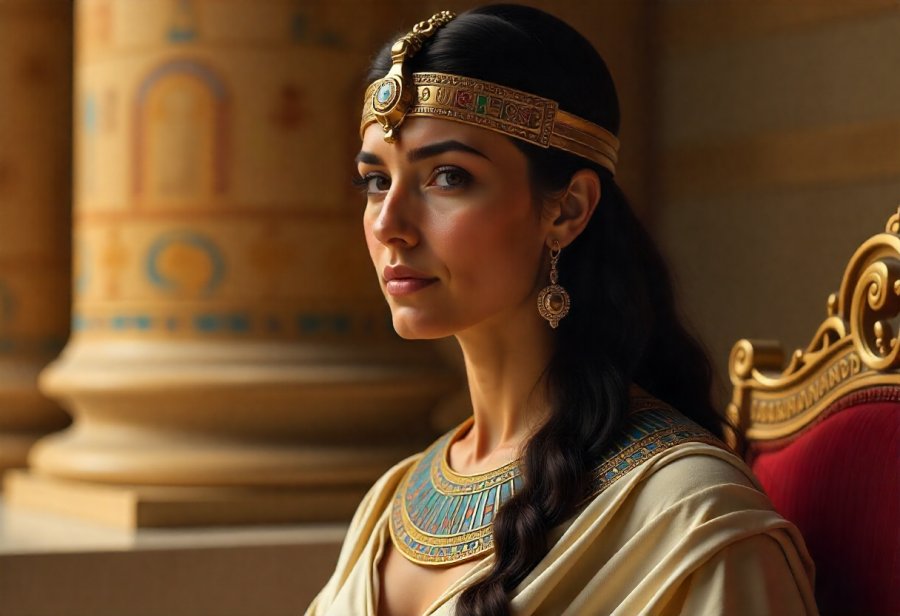
Mastering Power: Cleopatra’s Strategic Genius and Diplomatic Finesse
Cleopatra’s leadership was characterized by a keen strategic mind and a deep understanding of the complex political environment she navigated. She knew that alliances often carried more weight than military force alone, so she used her diplomatic acumen to forge relationships with influential figures like Julius Caesar and Mark Antony. These weren’t casual friendships; they were carefully calculated political moves designed to bolster Egypt’s standing. Cleopatra was adept at reading her opponents, timing her actions precisely, and knowing when to negotiate or assert her authority—always with Egypt’s best interests in mind.
Her multilingual skills set her apart from many of her contemporaries. Speaking Egyptian, Greek, Latin, and possibly other languages, she communicated directly with foreign leaders, reducing misunderstandings and increasing her influence. This linguistic mastery allowed her to build trust and sway decisions, making her a persuasive diplomat who could navigate different cultural and political worlds with ease. Her ability to connect across cultures was a cornerstone of her leadership approach, helping her maintain stability amid external threats.
Beyond diplomacy, Cleopatra’s decisions were rooted in a profound knowledge of Egyptian traditions and Greek culture. She balanced respect for her homeland’s customs with innovative political tactics, blending religious symbolism with modern statecraft. Her participation in religious rituals and efforts to reinforce her divine legitimacy helped secure loyalty among her subjects. Simultaneously, her education in astronomy, mathematics, and philosophy informed her policies, demonstrating that she valued knowledge as a practical tool for governance.
Resilience and adaptability under pressure were central to Cleopatra’s leadership. She was able to adjust her strategies in response to court intrigues and external conflicts, always focused on protecting Egypt’s sovereignty. Her alliances with Rome’s top figures weren’t just personal relationships—they were shrewd political calculations aimed at ensuring her kingdom’s long-term stability. This flexibility and strategic foresight made her one of history’s most effective rulers, capable of navigating the intricate web of power with confidence.
Her legacy transcends romanticized images and superficial charm, highlighting her intelligence, strategic foresight, and cultural literacy. Cleopatra understood that true influence depends on comprehending your environment and using that knowledge to shape outcomes. Her leadership combined resilience, diplomacy, and intellectual depth—a layered approach that allowed her to hold her throne in a turbulent era and leave a lasting mark on history.
Her ability to think several steps ahead, balance tradition with innovation, and forge trusted relationships exemplifies a leader who mastered the art of influence through insight and cultural awareness. Cleopatra’s strategic decisions and diplomatic mastery demonstrate that leadership rooted in knowledge and adaptability can withstand the test of time. Her example reminds us that genuine power comes from the strength of the mind, not just external allure.
In essence, Cleopatra’s leadership was a masterclass in leveraging intellect and cultural fluency to maintain power and influence. Her success lay in her capacity to read her environment, forge strategic alliances, and adapt swiftly to shifting circumstances. Her resilience and foresight transformed her into a figure who not only survived in a male-dominated world but actively shaped her destiny through wisdom and cunning. Her story continues to inspire, illustrating that true leadership is rooted in the power of the mind.
Leadership Lessons from Cleopatra: Applying Ancient Wisdom to Modern Challenges
Cleopatra’s leadership qualities still resonate today, especially in how we understand influence and strategic management. Her ability to communicate across cultures and languages highlights the importance of cultural intelligence—a skill modern leaders continually strive to develop. In a world increasingly defined by diversity, her talent for building trust through understanding and respect offers a timeless lesson in authentic engagement.
Her use of symbolism and tradition mirrors current leadership practices that leverage shared values and cultural narratives to inspire and motivate. Leaders today often craft stories, rituals, or symbols that align with their vision, creating a sense of legitimacy and unity. Cleopatra’s mastery in blending tradition with innovation demonstrates that genuine leadership involves understanding the cultural context and using it to strengthen influence.
The alliances Cleopatra formed with figures like Julius Caesar and Mark Antony show the power of relationship-building in leadership. Instead of relying solely on force, she understood that strategic partnerships could secure long-term stability. Modern leaders recognize this as well—trust, collaboration, and coalition-building often outperform unilateral authority. Cleopatra’s example underscores that influence is rooted in mutual benefit and the finesse to navigate complex social and political terrains.
Her scholarly pursuits and multilingual skills highlight the importance of continuous learning and intellectual agility. In today’s fast-paced environment, knowledge is a crucial asset. Leaders who prioritize education, cultural literacy, and curiosity are better equipped to innovate and adapt. Cleopatra’s example reminds us that a hunger for knowledge and a willingness to understand diverse perspectives are vital for effective leadership.
Resilience and adaptability are central traits she exemplified, especially when circumstances shifted rapidly. Her readiness to adjust strategies in response to external pressures kept her in power and protected her kingdom’s interests. Today’s leaders face unpredictable challenges; her life demonstrates that flexibility, combined with a clear vision, can turn obstacles into opportunities and sustain influence over time.
Her legacy extends beyond her historical context, offering lessons that remain relevant. Embracing cultural awareness, strategic foresight, and intellectual curiosity allows leaders to foster trust, resilience, and impact. Cleopatra’s life encourages us to see that true power resides in the strength of the mind—an asset that, when cultivated, can transcend time and inspire future generations.
By applying her principles, modern leaders can build organizations and communities rooted in understanding, adaptability, and genuine influence. Her example proves that leadership rooted in knowledge and cultural fluency can forge lasting legacies. In a world where change is constant, her story reminds us that the most enduring influence comes from the power of the mind and the ability to navigate complexity with insight and confidence.
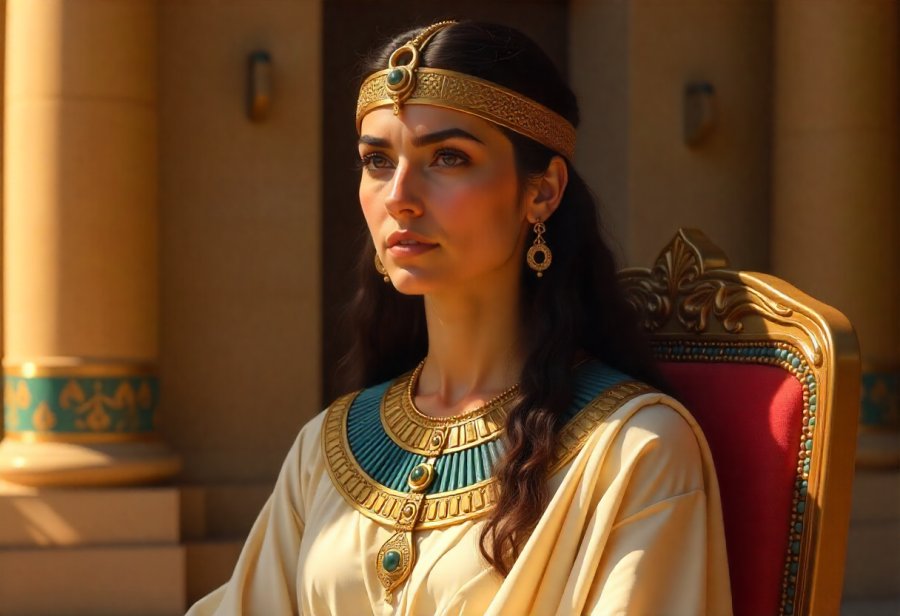
The True Power of Cleopatra: Celebrating Her Intellectual Legacy
Cleopatra’s true power lay in her mind—her sharp intelligence, strategic insight, and deep cultural understanding. She was far more than the romanticized figure often depicted in stories; she was a leader whose influence stemmed from her ability to navigate complex political landscapes with wit and foresight. Her capacity to forge alliances, adapt to shifting circumstances, and leverage her knowledge made her a formidable force in a turbulent era. This mental agility formed the foundation of her resilience and her enduring legacy.
Her leadership challenges the notion that power is rooted solely in beauty or charm. Instead, Cleopatra exemplifies how influence is built on cultivating a keen mind, continuous learning, and cultural literacy. She understood that true authority comes from grasping your environment and using that understanding to shape outcomes. Her mastery of languages, sciences, and diplomacy created a layered approach to leadership that remains relevant today—showing that influence often resides in the strength of the intellect rather than superficial qualities.
Looking beyond her time, Cleopatra’s legacy offers timeless lessons. Her ability to think several steps ahead, balance tradition with innovation, and build trusted relationships demonstrates that effective leadership hinges on strategic insight and cultural awareness. Her story reminds us that resilience and adaptability are vital, especially when circumstances are unpredictable. Her capacity to maintain power amid external pressures proves that a sharp mind and flexible approach can turn obstacles into opportunities.
Her influence extends beyond her historical context, serving as a blueprint for modern leadership. Embracing curiosity, valuing knowledge, and understanding diverse perspectives enable leaders to foster trust and create lasting impact. Cleopatra’s example encourages us to recognize that genuine power begins within the mind—an asset that, when cultivated, can transcend centuries and inspire future generations.
In the end, Cleopatra’s legacy is a testament to the strength of intellect over superficial allure. Her story challenges us to view leadership through the lens of wisdom, strategy, and cultural fluency. It reminds us that true influence is rooted in the capacity to think critically, adapt swiftly, and lead with insight. Her life exemplifies that the most enduring power lies in the mind—an asset that, when nurtured, can shape history and inspire resilience in all who follow.