Nylon’s ubiquitous presence in our daily lives masks a complex story of environmental cost and industrial resilience. Its durability and affordability have cemented its role in everything from clothing to industrial products, yet its production relies heavily on fossil fuels, resulting in significant ecological disruption. From habitat destruction during resource extraction to the release of toxic pollutants and greenhouse gases during manufacturing, nylon’s environmental footprint is profound and often overlooked. As awareness grows, industry leaders are exploring bio-based alternatives and enhanced recycling methods, but progress remains uneven across regions and sectors. This ongoing shift raises vital questions: Can innovation and stricter regulations truly mitigate nylon’s ecological toll without sacrificing its utility? As consumers demand more responsible choices, the challenge lies in balancing economic benefits with environmental sustainability—an urgent dilemma in our pursuit of a greener future.
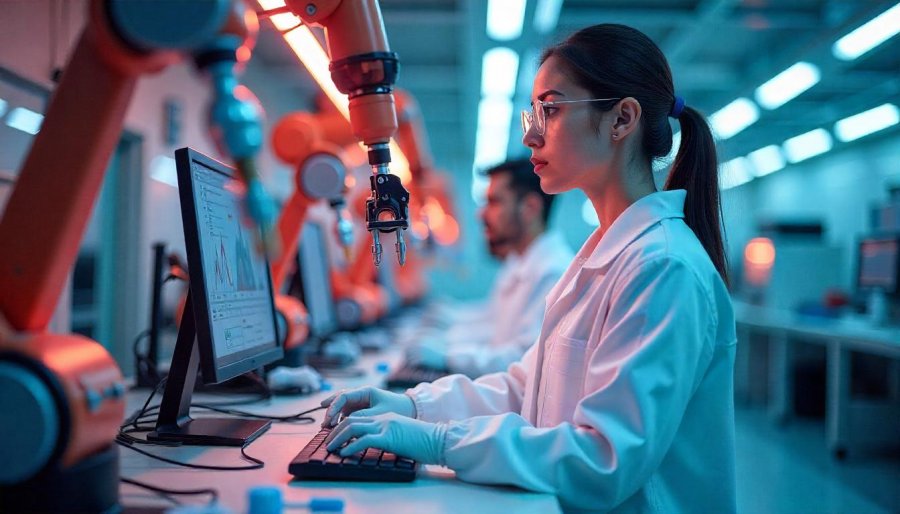
Unveiling nylon: The invisible thread woven into our lives and its hidden environmental toll
Nylon is one of those materials that’s quietly woven into almost every aspect of modern life. Whether it’s the tights we wear, the carpets under our feet, or the fishing lines in boats, nylon’s presence is unavoidable. Its durability, flexibility, and affordability have made it a go-to choice across countless industries. Because of these qualities, nylon has become a cornerstone of everyday products, often without us giving much thought to where it comes from or what its environmental footprint might be.
Developed in the 1930s, nylon was celebrated as a groundbreaking synthetic fiber that transformed manufacturing. It replaced natural fibers like silk and cotton in many applications, thanks to its strength and elastic properties. Over time, it became embedded in our lives—found in clothing, sportswear, household items, and even industrial parts. Its resilience means it lasts longer and performs better, which is part of why it’s so widely used. But behind that practicality lies a complex story involving resource extraction, chemical processing, and environmental impact that often goes unnoticed.
Despite its advantages, the widespread use of nylon comes with significant environmental costs. Its production depends heavily on fossil fuels—mainly oil and natural gas—which are finite resources. Extracting these fuels involves energy-intensive processes like drilling and hydraulic fracturing, which can cause habitat destruction, water contamination, and other ecological disruptions. These activities not only harm local ecosystems but also impact nearby communities, especially in regions with lax environmental regulations.
Once extracted, these fossil fuels undergo refining—a process that demands a lot of energy and releases pollutants into the air and water. Volatile organic compounds, sulfur dioxide, and nitrogen oxides are common emissions, contributing to issues like smog, acid rain, and respiratory problems. The refining process also produces hazardous waste that, if not properly managed, can seep into soil and waterways, contaminating ecosystems and posing health risks for both wildlife and humans. This chemical footprint is an integral part of nylon’s environmental story.
The transformation of petrochemicals into nylon involves complex reactions that are highly energy- and chemical-intensive. These reactions require high temperatures and pressures, primarily powered by burning fossil fuels, which significantly boosts greenhouse gas emissions. Toxic by-products, such as nitrous oxide and volatile substances, can be released into the environment if pollution controls are inadequate. Factories often emit these pollutants directly, further accelerating climate change and degrading local air quality.
All these factors—resource extraction, chemical processing, and waste management—combine to make nylon not just a versatile fiber but also a symbol of industrial activity with a heavy environmental footprint. Recognizing these impacts is crucial as we consider the sustainability of our material choices. While efforts are underway to develop greener alternatives and improve recycling, the full environmental costs of nylon remind us that convenience often comes at a profound ecological price.
The environmental price tag of nylon: Pollution, resource loss, and ecological harm at every stage
The process of manufacturing nylon is deeply resource-intensive, leaving a significant environmental footprint at every stage. It all begins with extracting fossil fuels—mainly oil and natural gas—which serve as the raw materials for nylon production. These resources are finite and their extraction often causes extensive ecological disruption, from destroying habitats to polluting water sources. Drilling and hydraulic fracturing can lead to oil spills, soil erosion, and contamination that threaten local ecosystems and communities, especially where environmental safeguards are weak or poorly enforced.
Once extracted, these fuels are refined—a process that consumes vast amounts of energy and releases a range of pollutants into the atmosphere. Volatile organic compounds, sulfur dioxide, and nitrogen oxides are typical emissions, contributing to smog formation, acid rain, and respiratory issues in nearby populations. The refining process also produces hazardous waste that, if not properly managed, can leach into the soil and waterways, contaminating ecosystems and endangering both wildlife and human health. These pollutants form a toxic backdrop to nylon’s production cycle, often overlooked in discussions about its durability and utility.
Transforming petrochemicals into nylon involves complex chemical reactions that are both energy- and chemical-intensive. These processes require high temperatures and pressures, predominantly powered by burning fossil fuels. As a result, they produce substantial greenhouse gases, including nitrous oxide and other volatile compounds, which are released into the environment if pollution controls are inadequate. Many factories emit these pollutants directly into the air, further exacerbating climate change while degrading local air quality. Without strict regulation and technological improvements, these emissions remain a persistent problem.
Nylon manufacturing facilities also contribute significantly to chemical waste and by-products, many of which are hazardous. Improper disposal or management of these substances can lead to long-lasting soil and water contamination. Chemicals can seep into groundwater, pollute nearby rivers, and harm aquatic life. The runoff from factories, often laden with toxic substances, can devastate ecosystems, diminish biodiversity, and pose health risks to communities relying on local water sources. This waste cycle underscores the environmental toll that often accompanies the production of such a durable, widely used fiber.
Beyond chemical pollution, nylon’s reliance on fossil fuels leads to a large carbon footprint. Since energy-intensive processes dominate its manufacturing, the industry is responsible for substantial carbon dioxide emissions contributing to global warming. As demand for nylon grows, so does its contribution to climate change, creating a cycle of environmental harm rooted in resource dependence. This reliance on non-renewable energy sources perpetuates a pattern of environmental degradation that is difficult to reverse without innovative, cleaner production methods.
The environmental impacts of nylon extend beyond its production. Land clearing for oil and gas extraction destroys habitats and reduces biodiversity, while spills during transportation or accidents at drilling sites can cause lasting ecological damage. Water bodies affected by extraction activities become polluted or depleted, affecting both aquatic ecosystems and local communities. These disruptions often take decades to recover from, illustrating how closely resource extraction and environmental health are intertwined. Addressing these issues demands a comprehensive approach that includes stricter regulations, technological innovation, and a shift towards more sustainable materials and practices.
The future of nylon: Innovations, regulations, and the pursuit of sustainable fibers
In recent years, the way nylon is produced and used has begun to shift, driven by a growing awareness of its environmental impact. Industry leaders are exploring innovative alternatives, such as bio-based nylons derived from renewable resources like plant sugars and cellulose. These materials aim to reduce dependence on fossil fuels and significantly lower the carbon footprint associated with traditional nylon manufacturing. While still in the early stages of development, these sustainable options reflect a broader recognition that durability and versatility must go hand in hand with environmental responsibility.
Alongside technological advances, stricter regulations and policies are shaping how companies approach nylon production. Regions like the European Union, North America, and parts of Asia have introduced measures to promote cleaner manufacturing practices, better waste management, and lower emissions. Many brands are investing in recycled nylon and other eco-friendly fibers, motivated by consumer demand for responsible products and regulatory pressures. These efforts show promise but often face hurdles such as higher costs, limited infrastructure, and inconsistent enforcement, which slow widespread adoption.
Consumers are increasingly influencing the transformation of the nylon industry. A shift toward sustainable fashion and responsible consumption is evident as more people seek products made from recycled nylon and demand transparency about sourcing and manufacturing processes. This cultural change encourages brands to develop closed-loop recycling systems that turn old nylon garments into new fibers, supporting a circular economy. Although not yet universal, these initiatives highlight a growing commitment to sustainability without sacrificing affordability or style.
Despite these positive signs, the core challenges remain. The chemical processes involved in manufacturing nylon are still energy-intensive and heavily reliant on fossil fuels, keeping its environmental footprint high. Developing greener methods requires significant technological breakthroughs and infrastructure upgrades, which take time to implement. The complexity of the global supply chain further complicates efforts to enforce standards and adopt cleaner practices everywhere, resulting in uneven progress across regions and industries.
Different countries approach nylon production and waste management in ways shaped by their regulatory environments and economic priorities. In regions like Europe and North America, stricter standards have spurred investments in recycling facilities and cleaner production techniques. Conversely, many developing nations continue to operate with outdated methods, often with limited regulation or infrastructure, leading to higher environmental risks. This disparity underscores the need for international cooperation and more uniform standards to address nylon’s environmental impact globally.
Innovations in bio-based nylons and advanced recycling technologies offer hope for a more sustainable future. Researchers are making strides in developing plant-derived nylons that could drastically cut dependence on fossil fuels. Meanwhile, chemical recycling methods are improving, enabling discarded nylon to be broken down into its basic components for reuse without loss of quality. These breakthroughs are gaining momentum as companies and policymakers recognize that balancing utility with environmental stewardship is essential for long-term sustainability.
While progress is promising, widespread change depends on continued investment, stronger regulations, and consumer support. Scaling up greener production methods and recycling infrastructure will require coordinated efforts across industries and governments. As the nylon industry evolves, the goal is to significantly reduce its environmental footprint, aligning more closely with global sustainability goals. By embracing innovation and responsibility, it’s possible to enjoy the benefits of this versatile fiber while minimizing its ecological costs.