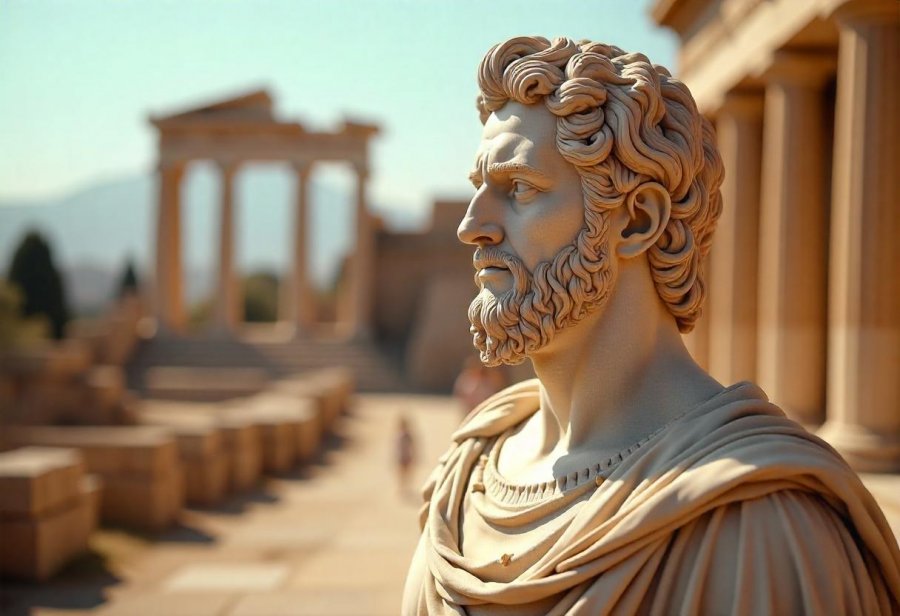
Discover the extraordinary story of Cleopatra VII, a ruler whose intelligence, strategic brilliance, and resilience transformed ancient Egypt and challenged the might of Rome. How did a woman navigate a treacherous political landscape rife with internal family rivalries and external threats? Cleopatra’s mastery lay not only in her beauty but in her ability to wield soft power—diplomacy, cultural symbolism, and emotional insight—turning potential enemies into allies. Her alliances with Julius Caesar and Mark Antony exemplify her deft relationship-building, illustrating that true influence extends beyond military strength. Her legacy reveals vital lessons: adaptability, strategic thinking, and cultural understanding are key to leadership—lessons as relevant today as they were in antiquity. Through resilience and keen perception, Cleopatra mastered the art of influence, remaining a symbol of power that endures centuries later. Are her tactics still applicable, or do they belong solely to history?
Cleopatra VII: The Last Pharaoh’s Legacy of Influence and Resilience
Cleopatra VII stands out not just as Egypt’s last pharaoh, but as a figure whose leadership, intelligence, and strategic mind continue to captivate us today. Her reputation extends beyond her legendary beauty; it’s her sharp wit and political acumen that truly define her legacy. Cleopatra was a master of navigating complex political landscapes, balancing internal family rivalries with external threats from powerful neighbors, especially Rome. Her ability to adapt and thrive amid chaos marked her as a formidable leader in a turbulent era.
Her significance goes far beyond her time. Cleopatra embodied resilience and cultural sophistication, seamlessly blending Egypt’s ancient traditions with the influences of Hellenistic culture. She understood that influence was not just about military strength or wealth but also about persuasion, symbolism, and cultural diplomacy. This understanding allowed her to forge alliances with some of history’s most influential figures, notably Julius Caesar and Mark Antony, turning personal relationships into strategic tools to safeguard her kingdom’s sovereignty.
What makes Cleopatra’s leadership particularly compelling is her ability to see power as a multifaceted concept. She knew influence could be wielded through soft power—charm, language, and symbolism—rather than just force. Her diplomatic finesse and keen perception of human motives enabled her to sway allies and rivals alike, often turning potential enemies into loyal supporters. Cleopatra’s mastery of cultural diplomacy was a key element that helped her maintain her rule despite external pressures and internal conflicts.
Her leadership was rooted in intelligence and adaptability. She recognized that maintaining internal stability while resisting external domination required a delicate balance of tradition and innovation. Cleopatra respected Egyptian customs but also embraced the ideas and practices of her Hellenistic surroundings. This dual approach strengthened her position internally and gave her the confidence to project power externally, even as Rome’s influence grew ever larger.
Throughout her reign, Cleopatra demonstrated that resilience and strategic thinking could turn threats into opportunities. She faced numerous challenges—family rivalries, invasions, and the relentless expansion of Rome—but she responded with calculated diplomacy and cultural authority. Her capacity to adapt her tactics kept her in power and secured her legacy as a ruler who mastered the art of influence and resilience in a world of shifting alliances.
Her story endures because she exemplified that true leadership involves more than just holding onto power; it’s about shaping your environment through intelligence, empathy, and strategic foresight. Cleopatra’s legacy challenges us to see influence as a blend of information, cultural insight, and emotional intelligence—traits that remain vital for effective leadership today. Her life reminds us that resilience combined with strategic vision can leave a mark that endures across centuries.
Setting the Stage: Egypt, Rome, and the Turbulent Political Landscape of Cleopatra’s Time
Centuries before Cleopatra’s reign, Egypt had established itself as a cradle of civilization, renowned for its rich culture, advanced knowledge, and impressive monuments. But by her time, the political landscape had shifted dramatically. The once-unshakable independence of Egypt was now under threat from the expanding power of Rome, which was swiftly asserting dominance over the Mediterranean basin. This transformation was not sudden; it was the result of decades of incremental military and diplomatic encroachments that gradually eroded Egypt’s sovereignty.
The ruling dynasty Cleopatra belonged to was the Ptolemaic family, a Greek lineage that had taken control of Egypt following Alexander the Great’s conquests. After Alexander’s empire fragmented, his general Ptolemy declared himself king, establishing a hybrid culture that fused Greek traditions with native Egyptian customs. This created a complex political environment—one where Greek influence was deeply embedded in governance and culture, yet Egyptian identity and traditions remained vital to the people. Rivalries within the family and external pressures from neighboring states kept the kingdom in a state of constant flux.
By the time Cleopatra ascended the throne around 51 BCE, Egypt’s position was increasingly precarious. Rome’s rapid expansion and political consolidation had turned the Mediterranean into a Roman-dominated arena. Rome’s interference in Egyptian affairs grew more direct, with military campaigns and diplomatic pressure threatening Egyptian independence. Cleopatra inherited a kingdom caught between internal family disputes and the external threat of Roman conquest, forcing her to navigate a treacherous political terrain from the start.
Her early years were marked by internal struggles, including conflicts with her brother, whom she co-ruled with initially. Cleopatra’s sharp political instincts and charisma allowed her to outmaneuver her rivals and secure her position as sole ruler. She understood that survival depended not only on military strength but also on forging strategic alliances. Her relationships with Rome’s most influential figures—particularly Julius Caesar and later Mark Antony—were central to her diplomatic strategy, serving both personal ambitions and broader political goals.
Her alliances with Rome’s powerful leaders were carefully calculated moves designed to reinforce Egypt’s sovereignty amid a growing tide of Roman influence. Marrying her brother to legitimize her claim, then aligning with Caesar through marriage and political negotiations, Cleopatra aimed to restore her legitimacy and protect her kingdom. After Caesar’s assassination, her alliance with Mark Antony became a pivotal effort to resist Rome’s relentless expansion and preserve Egypt’s independence. These relationships transcended personal ties, serving as strategic pillars of her rule.
Throughout her reign, Cleopatra demonstrated a keen understanding of the shifting political currents. She combined traditional Egyptian customs with Hellenistic influences, positioning herself as both a guardian of her heritage and a modern diplomat. This dual approach allowed her to maintain internal stability while projecting strength externally. Her ability to adapt to changing circumstances—whether through marriage, diplomacy, or cultural symbolism—kept her in power despite mounting external threats and internal rivalries, solidifying her legacy as a master strategist in a turbulent world.
Mastering Power: Cleopatra’s Strategic Thinking, Diplomacy, and Political Insight
Cleopatra’s leadership was defined by her exceptional ability to think strategically and navigate complex political landscapes with finesse. She grasped early on that true power extended beyond wealth or military might; it depended on building relationships, influencing others, and knowing when to act or hold back. Her sharp instincts allowed her to assess threats and opportunities quickly, a skill that proved vital in a time when alliances could shift suddenly.
Her diplomatic mastery was rooted in subtlety and cultural symbolism. Cleopatra understood that influence often came from gestures, language, and shared interests rather than brute force. She used marriage alliances and carefully crafted gestures to sway powerful figures like Julius Caesar and Mark Antony, transforming potential enemies into loyal allies. Her ability to read motives and adapt her approach made her a formidable negotiator, skilled in soft power—persuasion, charm, and cultural diplomacy.
What set Cleopatra apart was her keen political insight, blending her Egyptian traditions with Hellenistic influences. She positioned herself as both a guardian of her heritage and a modern diplomat, leveraging religious and cultural symbolism to legitimize her authority. This duality helped her maintain internal stability while projecting strength externally, even as Rome’s influence grew. Her strategic use of religious gestures and cultural signals reinforced her legitimacy in the eyes of her people and foreign powers alike.
Cleopatra’s diplomatic finesse was exemplified in her relationships with Rome’s most influential men. She married her brother initially to establish her claim, then shifted alliances by aligning with Julius Caesar through marriage and political negotiations. After Caesar’s death, her partnership with Mark Antony was another calculated move to resist Roman domination and preserve Egypt’s independence. These relationships weren’t just personal—they were carefully crafted political strategies designed to serve her long-term goals.
Her ability to deploy clever tactics was evident in her readiness to adapt her strategies as circumstances changed. She knew when to be conciliatory and when to assert her authority. Whether through marriage, diplomacy, or cultural influence, her decisions reflected a nuanced understanding of power dynamics. This flexibility allowed her to survive internal rivalries and external threats, ensuring her continued rule.
Throughout her reign, Cleopatra mastered the art of turning challenges into opportunities. Her resilience and strategic thinking enabled her to respond effectively to threats, whether from family rivals or invading forces. Her capacity to remain adaptable and emotionally intelligent in tense situations solidified her reputation as a leader who could navigate turbulent waters with grace and purpose.
Her leadership was rooted in her ability to influence through intelligence and empathy. Cleopatra understood human motives deeply, which allowed her to forge trust and loyalty even amid fierce rivalry. Her diplomacy was as much about reading people as it was about political maneuvering, and this emotional insight was key to her lasting impact.
Ultimately, Cleopatra’s success lay in her mastery of influence—combining strategic foresight, cultural awareness, and emotional intelligence. She knew that true power was a delicate balance of strength and subtlety, and she wielded this knowledge with skill. Her leadership remains a testament to the power of adaptability, insight, and resilience in shaping history.
Timeless Leadership Lessons: Applying Cleopatra’s Strategies to Modern Diplomacy and Resilience
Cleopatra’s leadership offers timeless lessons that remain highly relevant today. One key takeaway is the importance of adaptability. She understood that influence and power are not solely built on military might or wealth but are deeply rooted in relationships, cultural understanding, and strategic communication. Her ability to shift tactics based on changing circumstances allowed her to navigate complex political landscapes with finesse—a skill that modern leaders must also cultivate in unpredictable environments.
Her subtle use of cultural symbolism and gestures to sway powerful figures like Julius Caesar and Mark Antony highlights the impact of soft influence. Cleopatra knew that persuasion often stemmed from understanding what others valued and framing ideas in ways that resonated with their motives. Building loyalty and trust through shared interests and cultural signals strengthened her alliances without relying solely on force, reminding us that emotional intelligence and storytelling are powerful tools in leadership.
Reading her opponents carefully and responding with precision was another hallmark of her success. Cleopatra assessed threats and opportunities swiftly, adapting her approach to protect her interests. Whether through marriage, diplomacy, or cultural diplomacy, her decisions were deliberate, aimed at long-term stability. Today’s leaders can learn from her ability to evaluate their environment and act with both patience and assertiveness, choosing the right moment to push forward or hold back.
Balancing tradition with innovation was central to her strategy. Cleopatra respected Egyptian customs while embracing new ideas and influences, positioning herself as both a guardian of her heritage and a forward-thinking diplomat. This dual approach helped her maintain internal stability while projecting strength externally, even in the face of Rome’s rising dominance. Her example shows that honoring core values while remaining open to change creates resilience amid turbulence.
Strategic relationship-building was vital for her survival. Cleopatra used marriage, diplomacy, and cultural influence to forge alliances that served her broader goals of sovereignty and stability. Her marriage to Julius Caesar secured her throne and Roman support, while her partnership with Mark Antony aimed to resist Roman expansion. These moves demonstrate that thoughtful, well-timed relationship management remains a powerful tool for influence and resilience today.
Resilience defined Cleopatra’s leadership. Despite internal family rivalries and external invasions, she persisted through clever diplomacy and cultural authority. Her capacity to turn setbacks into opportunities for negotiation and reform exemplifies resilience in action. Modern leaders can draw inspiration from her example—remaining calm under pressure, focusing on long-term goals, and adapting flexibly to adversity.
Finally, her mastery of emotional intelligence underscores the importance of understanding motives and fears in leadership. Cleopatra’s diplomacy was rooted in empathy and insight, allowing her to influence others deeply. Cultivating these qualities today can help leaders build stronger relationships, foster loyalty, and navigate crises more effectively. Her story reminds us that genuine influence combines intelligence, empathy, and strategic foresight—traits that continue to shape effective leadership across generations.
Enduring Legacy: Reflecting on Cleopatra’s Leadership Qualities and Their Modern Relevance
Cleopatra’s leadership was a masterclass in blending intelligence, strategic insight, and emotional finesse. She understood that true power comes from more than just wealth or beauty; it hinges on influence—shaped through relationships, cultural understanding, and adaptability. Her ability to read her environment and respond with calculated moves allowed her to navigate internal rivalries and external threats alike, ensuring her survival and legacy.
Her diplomatic skill was rooted in subtlety and cultural symbolism. Cleopatra knew that persuasion often depended on understanding what others valued and framing ideas in ways that resonated with their motives. Whether through gestures, language, or alliances, she used soft power to build loyalty and influence, turning potential enemies into allies. This approach highlights the importance of emotional intelligence in leadership—something that remains vital today.
Resilience was at the core of her success. Despite facing family conflicts, invasions, and the relentless expansion of Rome, Cleopatra stayed persistent. She transformed setbacks into opportunities for negotiation and reform, demonstrating flexibility and calm under pressure. Her capacity to adapt her tactics kept her in power and reinforced her reputation as a leader who could thrive amid chaos.
Her strategic relationships, especially with Rome’s most influential figures, exemplify the power of thoughtful alliance-building. Cleopatra used marriage, diplomacy, and cultural influence to forge bonds that served her long-term goals. Her alliance with Julius Caesar secured her throne, while her partnership with Mark Antony aimed to resist Roman domination. These moves weren’t just about personal ambition—they were carefully crafted tactics to preserve Egypt’s sovereignty.
Cleopatra’s story endures because she proved that leadership rooted in intelligence, empathy, and resilience can leave a lasting mark. Her mastery of influence through strategic foresight and cultural insight reminds us that true power lies in adaptability and genuine connection. Her legacy continues to inspire, illustrating that the most effective leaders are those who combine vision with the courage to respond skillfully to every challenge.