Unlock the secret to worry-free driving by mastering simple yet vital battery maintenance—prevent unexpected breakdowns and keep your vehicle reliable when it matters most. Have you ever considered that your car’s battery, often called its heart, demands only minimal attention to deliver consistent performance? From inspecting terminals for corrosion to testing voltage levels, small proactive steps can extend your battery’s lifespan and save you from costly emergencies. Modern advancements, like smart batteries and connected diagnostic tools, are making maintenance more intuitive and precise, reducing guesswork and enhancing reliability. But are we fully leveraging these innovations to prevent roadside surprises? This guide not only highlights easy routines but also explores cutting-edge technology that simplifies care and enhances safety. With a little effort and awareness, you can ensure your vehicle starts every time, transforming routine maintenance into a crucial safeguard for worry-free journeys.

Your Vehicle’s Heart: Essential Battery Maintenance for Reliable Starts
Your vehicle’s battery is often called its heart because it’s essential for starting the engine and powering all the daily functions you rely on—think of lights, radio, and even your car’s computer systems. Despite its importance, many drivers tend to overlook battery maintenance until something goes wrong. When everything runs smoothly, it’s easy to forget the small but vital role the battery plays. However, taking a few simple steps to care for your battery can make a big difference in your driving experience, especially when you need your car to start reliably every time.
The truth is, a healthy battery isn’t just about starting your car; it’s about ensuring your day keeps moving without unexpected hiccups. When a battery starts to weaken, signs like sluggish starts, dimming headlights, or flickering dashboard lights often appear. These are warning signals that your battery isn’t performing at its best. Addressing these early can save you from being stranded or facing inconvenient breakdowns, particularly during extreme weather when batteries tend to struggle the most. Regular attention to your battery’s condition keeps your vehicle dependable and your mind at ease.
Understanding how your battery works helps highlight why routine maintenance matters so much. Inside, lead plates and a chemical electrolyte generate the electrical power needed to start your engine. When you turn the key, this stored energy activates the starter motor and supplies electricity to your vehicle’s systems. Over time, heat, vibration, and general use can cause corrosion or internal damage, which hampers performance. If left unchecked, these issues can lead to starting problems or electrical failures, especially in cold weather when the battery’s capacity is pushed to its limits. That’s why keeping an eye on its health is a straightforward step toward reliable, worry-free driving.
Taking care of your battery doesn’t require special skills or costly tools. Simple tasks like inspecting the terminals for corrosion, ensuring tight connections, and checking for leaks or cracks can be done easily. If you notice white, green, or bluish deposits around the terminals, a quick cleaning with a wire brush or a baking soda solution can restore proper contact. Regularly testing your battery’s voltage with a multimeter or having it checked at an auto shop helps catch early signs of decline. These minor efforts can extend your battery’s lifespan and prevent those frustrating mornings when your car refuses to start, especially during cold seasons.
Another smart move is to keep your battery charged during periods of infrequent use. If your vehicle sits idle for extended times, a trickle charger or a battery maintainer can help prevent sulfation—the buildup of lead sulfate crystals that reduce capacity. This is particularly useful for seasonal vehicles or classic cars stored for months. Proper maintenance and monitoring can turn a battery that’s starting to fade into one that lasts longer and performs reliably when you need it most. Small precautions like this make a big difference in avoiding unexpected breakdowns when you’re counting on your vehicle.
Ultimately, caring for your battery is about more than just avoiding inconvenience—it’s about ensuring your vehicle remains reliable every day. A little attention now can prevent larger issues down the road, saving you money and stress. Regular checks, simple cleaning, and mindful driving habits keep your battery healthy and your car ready to go whenever you need it. Think of battery maintenance as a small investment of time that pays off by delivering consistent, worry-free performance. When your vehicle starts every time you turn the key, it’s a simple reminder that good maintenance keeps your day moving smoothly.

Simple Steps to Keep Your Battery Healthy and Prevent Breakdowns
Keeping your car battery in good shape doesn’t require advanced skills or pricey tools—just consistent attention and a few simple habits. The first step is to regularly inspect the battery terminals for any signs of corrosion or buildup. Corrosion appears as a white, green, or bluish deposit around the terminals and can seriously hinder proper electrical contact. If you notice any, a quick clean with a wire brush or a mixture of baking soda and water can restore a solid connection. This small upkeep task is easy to do and makes a noticeable difference in battery performance, especially in older vehicles or during harsh weather conditions when corrosion tends to form more rapidly.
Next, check that the battery terminals are tightly secured. Loose connections can cause intermittent electrical issues, slow engine starts, or even prevent the engine from turning over altogether. Gently wiggle the cables to see if they feel loose—if they do, tighten them with a wrench. A little extra torque can prevent many common starting problems and keep your electrical systems running smoothly. Taking this simple step regularly can save you from frustrating mornings or unexpected breakdowns, particularly when cold weather puts additional strain on your battery.
Testing your battery’s voltage periodically is another straightforward but crucial maintenance move. A basic multimeter, which is affordable and easy to operate, can give you a clear picture of your battery’s health. When the engine is off, a fully charged battery should read around 12.6 volts or higher. If the voltage drops below 12.4 volts, it’s a sign your battery may be weakening. Many auto parts stores offer free testing services with more advanced equipment, providing a detailed assessment of your battery’s capacity. Regular checks help catch signs of decline early, so you can replace the battery before it leaves you stranded in inconvenient situations.
Replacing an aging battery proactively is a smart approach. If your vehicle is more than three or four years old, keep an eye out for signs like slow starts, dim headlights, or flickering interior lights. These are common indicators that your battery’s capacity is diminishing. Waiting until the battery completely fails can lead to inconvenient breakdowns, especially during cold mornings or hot summers when batteries are under extra stress. Replacing the battery before it gives out saves you from roadside emergencies and the higher costs associated with urgent repairs or towing.
Maintaining the battery’s charge during periods of infrequent use is also important. If your vehicle sits idle for extended times, a trickle charger or a battery maintainer can keep it healthy. These devices supply a gentle, steady charge that prevents sulfation—the buildup of lead sulfate crystals that reduce capacity. This tip is especially useful for seasonal vehicles or classic cars stored in the garage for months. Properly maintained, a battery can last longer and perform reliably when you need it most, avoiding the hassle of a dead battery when you’re ready to hit the road again.
Finally, keeping your battery clean isn’t just about appearances—it’s about maintaining its functionality. Regularly wipe away dirt and grime from the battery case and terminals, especially if you notice corrosion. This prevents dirt from trapping moisture, which can accelerate corrosion and damage internal components. A clean battery also makes it easier to spot leaks, cracks, or bulges that could indicate internal damage. Catching these issues early can save you money and prevent breakdowns at the worst possible time. Pairing cleanliness with routine inspections and mindful driving habits will help extend your battery’s lifespan and ensure your vehicle stays dependable every day.
The Future of Battery Care: Innovations Making Maintenance Smarter and Easier
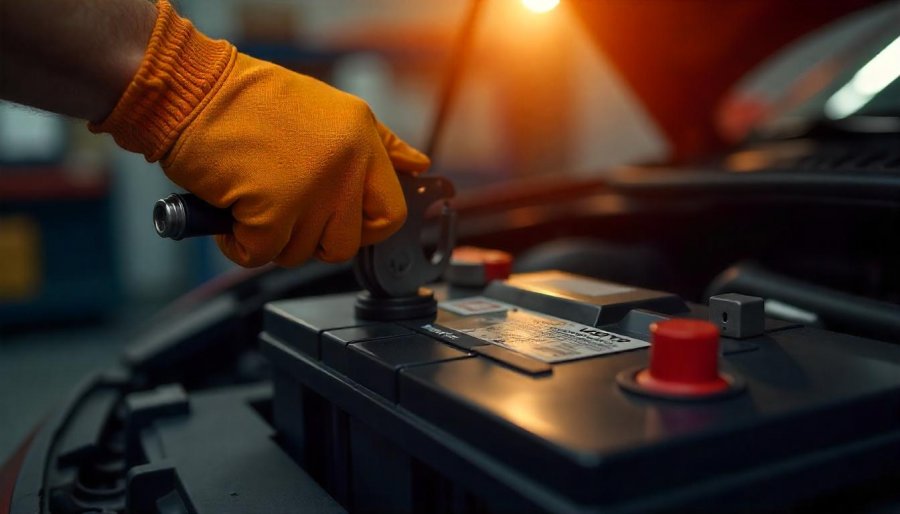
Modern battery maintenance has advanced rapidly thanks to innovative technologies that make caring for your vehicle’s battery simpler and more precise. One of the most notable developments is the rise of smart batteries, which come equipped with built-in sensors that monitor their own health in real time. These batteries can connect to your smartphone via dedicated apps, providing instant alerts when maintenance is needed or performance drops. This level of self-awareness takes much of the guesswork out of traditional upkeep, allowing drivers to address issues early before they escalate into costly repairs or breakdowns.
Alongside these smart batteries, portable diagnostic tools have become more accessible and user-friendly. Compact handheld devices can quickly assess voltage and capacity, giving you a clear snapshot of your battery’s condition. Many auto parts stores now offer free testing with advanced equipment, which provides detailed insights into capacity, internal resistance, and overall health. Having these tools at your fingertips encourages a proactive approach, helping you spot potential problems before they lead to inconvenient failures—especially during extreme weather conditions when batteries are most vulnerable.
Automakers and service centers are also adopting smarter charging systems that help extend battery lifespan. These systems use sophisticated algorithms to optimize charging cycles based on the battery’s current state, preventing overcharging and undercharging—both of which accelerate deterioration. Some vehicles now come with integrated battery management systems that adjust charging behavior automatically, reducing internal stress and sulfation buildup. This technology means you don’t have to constantly check or manually adjust anything; your car takes care of the maintenance for you, extending the life of your battery with minimal effort.
The improvements in diagnostic accuracy are significant. Instead of relying solely on visual inspections or basic voltage readings, modern systems can detect subtle internal changes that indicate declining capacity. Early detection of these issues allows for timely replacement, which can dramatically extend the overall lifespan of your battery. This shift toward more precise diagnostics means fewer surprises on the road and greater confidence in your vehicle’s reliability, especially during those critical moments when you need it most.
Connectivity has also transformed how we approach battery care. Many vehicles now integrate battery health monitoring into their broader diagnostic systems. These connected networks continuously analyze data from the charging system, alternator, and battery itself, providing comprehensive insights. When something isn’t working optimally, you’re alerted immediately, often via your smartphone or vehicle display. This seamless integration enables proactive maintenance, reducing the risk of sudden failures and ensuring your vehicle remains dependable without the need for frequent manual checks.
These technological trends aren’t just about convenience—they’re reshaping the way we think about vehicle maintenance. With real-time data and automated systems, routine battery care becomes less of a chore and more of a natural part of vehicle ownership. The ability to monitor your battery remotely, receive alerts, and even schedule maintenance proactively means fewer roadside emergencies and unexpected breakdowns. It’s a smarter approach that saves time, money, and stress—making worry-free driving more accessible than ever.
Looking ahead, the integration of battery health monitoring into the wider vehicle management system promises even greater sophistication. As cars become more connected, they will continuously track not just the battery but the entire electrical ecosystem. This holistic monitoring can identify potential issues early, optimize charging and discharging patterns, and extend overall vehicle longevity. The future of battery maintenance is moving toward fully automated, intelligent systems that keep your vehicle running smoothly with minimal intervention, freeing you from constant manual checks and guesswork.