In a landscape where effective communication drives success, how can organizations harness customizable telephony solutions to elevate their network efficiency and agility? Grandstream’s innovative device lineup, especially the scalable GRP series IP phones, promises a future-proof infrastructure capable of transforming static systems into dynamic, tailored communication hubs. With centralized management via GDMS and features like zero-touch provisioning, deploying and maintaining large-scale networks becomes remarkably seamless. Yet, the challenge lies in balancing customization with security and managing diverse devices across multiple locations. Can organizations leverage these tools to streamline workflows, boost productivity, and adapt swiftly to evolving operational demands? This overview uncovers how Grandstream’s solutions not only offer reliability and security but also empower businesses to craft personalized, flexible communication environments—turning everyday interactions into strategic advantages in today’s competitive digital landscape.
Boost Your Business Communications with FiberConX’s Advanced VoIP Solutions
Enhance your company’s communication infrastructure with FiberConX Communications, a leading provider of VoIP & IP Business phone services in Canada. Our solutions feature advanced capabilities like voicemail, IVR, Ring Groups, and voicemail-to-mail, ensuring seamless and professional interactions with your clients. Whether you’re managing multiple departments or need reliable virtual reception, FiberConX has you covered. Discover how FiberConX can transform your business communications today. For inquiries, contact us at [email protected] or call 1.800.961.6856. Use the reference code GRP2634 to access exclusive services tailored to your needs.
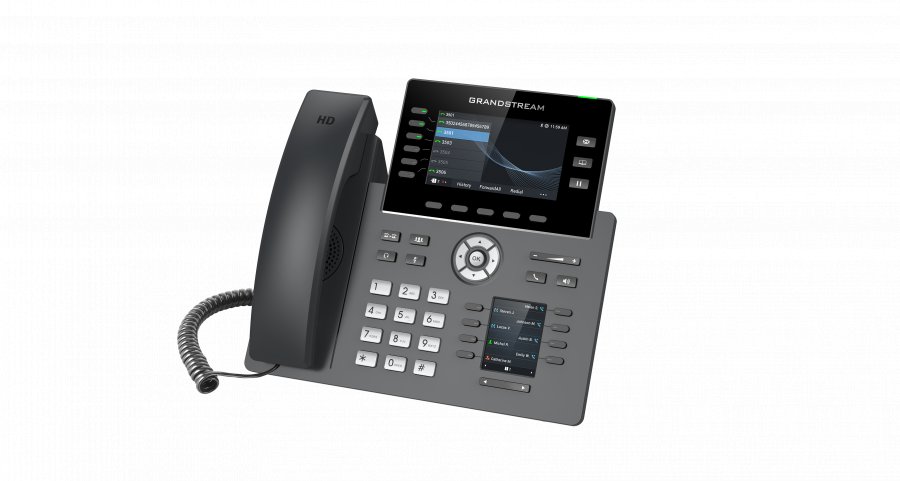
Elevate Your Business Communication with Customizable Grandstream Devices
Effective communication is the cornerstone of any successful organization, especially in today’s fast-moving digital landscape. As companies expand and adapt, the need for flexible, tailored telephony solutions becomes more apparent. Off-the-shelf systems often struggle to meet unique operational demands or keep pace with rapid change. That’s where customizable telephony devices, like those from Grandstream, come into play, offering smarter ways to connect and collaborate.
Personalization isn’t just a convenience; it’s a strategic advantage. When organizations can configure their communication tools around specific workflows, they boost efficiency and responsiveness. Assigning quick-access buttons, integrating with digital applications, or managing call routing tailored to departments ensures each device works harmoniously with your business processes.
Grandstream’s lineup of IP phones and management solutions simplifies this level of customization. Their devices support programmable soft keys, intuitive interfaces, and remote configuration options, empowering teams to adapt their communication setups quickly. This flexibility helps maintain productivity and ensures smooth operations, even as organizational needs evolve.
Deployment complexity often limits the adoption of new technology. Grandstream addresses this challenge through centralized management platforms like GDMS, which enable remote setup, updates, and monitoring. With features like zero-touch provisioning, devices can be configured automatically when connected, reducing setup time and minimizing disruptions.
In today’s remote and hybrid work environments, having a scalable, easy-to-manage telephony system is essential. Grandstream’s solutions support rapid deployment across multiple locations, ensuring consistent quality and security. This adaptability makes it possible for organizations to stay connected and agile, regardless of where teams are based.
Choosing the right communication system is no longer about just hardware; it’s about building a flexible, future-proof network. With Grandstream’s innovative devices and management tools, businesses can craft personalized, reliable communication environments that grow alongside their operations. This approach turns static systems into dynamic assets, ready to meet tomorrow’s challenges.
Tracing the Evolution of Telephony: From Copper Wires to Data-Driven Networks
Telephony systems have evolved dramatically from their early days relying on simple landline phones connected by copper wires. Back then, voice communication was limited to analog signals, which meant little flexibility or scalability. As technology advanced, digital and IP-based solutions began replacing traditional systems, transforming how organizations manage and deploy their communication networks. Today, voice is converted into data packets that travel seamlessly over the internet, making calls more cost-effective and easier to manage at scale.
This shift opened the door for new features like call forwarding, voicemail, video conferencing, and integration with customer relationship management (CRM) platforms. These capabilities turned basic voice services into strategic tools that support productivity, collaboration, and customer engagement. The move toward digital telephony reflects a broader trend: a desire for more flexible, efficient, and customizable communication solutions that can adapt to the unique needs of each organization.
Modern telephony primarily operates through a combination of hardware and software working together. IP phones, servers, switches, and gateways form a network that transmits voice as digital data. Unlike traditional landlines, IP-based systems support advanced functionalities such as call routing, auto-attendants, and integration with digital workflows. Protocols like SIP and platforms like cloud management services enable remote configuration, management, and expansion, making deployment faster and more adaptable to growth.
The ongoing evolution of telephony underscores the importance of choosing scalable and flexible solutions. On-premises setups offer control but require significant investment and maintenance, while cloud-based systems provide quick deployment and easy management—ideal for remote work and dynamic environments. Hybrid models combine these benefits, allowing organizations to tailor their infrastructure based on security, compliance, and operational needs.
Understanding this history highlights why current innovations—like customizable devices and centralized management platforms—are so impactful. Each step in telephony’s development aimed to empower organizations with greater control, efficiency, and adaptability. Building on decades of progress, today’s solutions enable businesses to create communication networks that are not only reliable but also tailored precisely to their evolving needs.

Navigating the Modern Landscape of Enterprise Communication Technology
Today’s enterprise communication landscape is more dynamic and diverse than ever. Organizations rely on a mix of traditional landline phones and modern digital systems, with IP-based telephony now serving as the standard. This shift offers flexibility and cost savings, allowing companies to deploy a wide range of devices—from desk phones to softphones and mobile apps—that must work seamlessly across multiple platforms and locations. Managing this variety can be complex, especially when it comes to maintaining compatibility, security, and a consistent user experience.
One of the biggest challenges is coordinating different hardware models used across teams and sites. Centralized management becomes essential to ensure uniform performance and security. As remote and hybrid work models grow, organizations face the need for scalable solutions that support quick deployment and easy updates. Cloud-managed systems, like those supported by Grandstream, simplify these processes by enabling remote configuration and troubleshooting, reducing downtime and operational overhead.
The device ecosystem itself is evolving rapidly. Features such as programmable soft keys, personalized interfaces, and automation tools are transforming telephony from rigid hardware into intuitive, workflow-driven systems. These innovations make communication more efficient and tailored to specific roles or departments, encouraging adoption and boosting productivity. Supporting dispersed teams, these solutions ensure reliable, high-quality calls even over complex networks and varying bandwidth conditions.
Security concerns are more prominent as the number of connected devices increases. Organizations must safeguard their networks with robust encryption, regular firmware updates, and secure provisioning methods. At the same time, ensuring high voice quality requires prioritizing traffic through Quality of Service (QoS) settings, implementing VLANs, and optimizing network infrastructure.
As technology advances, the importance of future-proofing becomes clear. Many organizations are investing in hybrid or cloud-based solutions that offer flexibility, scalability, and security. These systems adapt easily to changing needs, whether expanding to new locations or integrating new digital tools. Staying ahead in this landscape means embracing devices and platforms that are not only reliable today but also capable of evolving with the demands of tomorrow.
Discover Grandstream’s Revolutionary Telephony Solutions for Every Organization
Grandstream’s range of telephony devices is designed to meet the diverse needs of modern organizations, from small teams to large enterprises. Their IP phones, especially the popular GRP series, combine reliability with scalability, making them ideal for widespread deployment across multiple locations. These devices support cloud provisioning and centralized management through Grandstream’s Device Management System (GDMS), enabling IT teams to configure, monitor, and maintain hundreds or even thousands of endpoints remotely. This streamlined control drastically reduces deployment time and ongoing management efforts.
What truly sets Grandstream apart is their focus on customization. Their phones come equipped with programmable soft keys, intuitive user interfaces, and flexible call routing options. This allows businesses to tailor each device to specific workflows, departments, or individual roles, enhancing user efficiency and satisfaction. The ability to modify device settings remotely means adjustments can be made swiftly, ensuring communication remains seamless even as organizational needs evolve.
Designed with growth in mind, Grandstream’s solutions support zero-touch provisioning and batch configuration. Whether deploying a handful of phones or rolling out thousands, the process remains straightforward and efficient. Their devices also integrate smoothly with third-party applications and digital tools, creating a connected ecosystem that enhances productivity and operational harmony.
Security and future readiness are core principles in Grandstream’s design. Firmware updates and security patches can be managed centrally through GDMS, helping protect against evolving threats. Their adherence to industry standards like SIP, along with compatibility with cloud management platforms, guarantees interoperability and security, giving organizations confidence in their investment.
The user experience is further enhanced by features such as personalized interfaces, automation, and quick-access keys, making communication more intuitive and aligned with specific workflows. This flexibility supports remote and hybrid work environments, ensuring reliable, high-quality calls across dispersed locations and varying network conditions.
Deployment is simplified through tools like zero-touch provisioning, which enables quick setup with minimal manual configuration. Batch management capabilities ensure that updates and changes can be rolled out across large networks effortlessly, maintaining consistency and reducing downtime.
Ultimately, Grandstream’s telephony solutions offer a powerful combination of ease of deployment, extensive customization, and scalable management. They empower organizations to build tailored, reliable communication networks that support operational efficiency and growth. Investing in these devices means creating a future-proof infrastructure that adapts seamlessly to the evolving demands of today’s digital workplace.
Strategic Deployment: Step-by-Step Guide to Implementing Grandstream Telephony
Deploying Grandstream telephony solutions starts with a clear understanding of your organization’s specific communication needs. Assess how many users will be involved, the expected call volume, and which workflows could benefit from customization. This upfront analysis helps you select the right device models and features, ensuring you avoid both overspending and under-provisioning. Creating a detailed deployment plan at this stage sets a strong foundation, streamlining the entire process and reducing surprises along the way.
Leverage Grandstream’s Device Management System (GDMS) to simplify setup and ongoing management. This cloud-based platform allows for remote configuration, provisioning, and monitoring of devices across multiple locations. Use zero-touch provisioning to let devices automatically download pre-configured settings when connected to the network. Planning your device profiles and configurations in advance ensures consistency, speeds up deployment, and minimizes manual errors, saving valuable time and resources.
Network infrastructure plays a vital role in successful implementation. Prioritize Quality of Service (QoS) settings on your switches and routers to give voice traffic higher priority, preventing latency and jitter during peak usage. Implement VLANs to isolate voice data, which boosts security and enhances call quality. Proper network configuration guarantees reliable, high-quality communication, especially important for remote and hybrid teams relying on dispersed locations and varying bandwidth conditions.
Personalization of device features is key to maximizing efficiency. Assign frequently used functions to soft keys, customize call routing rules to match specific workflows, and set permissions based on user roles. These tailored adjustments make devices more intuitive for users, encouraging adoption and boosting productivity. Use GDMS to roll out bulk updates and manage devices remotely, reducing disruptions and eliminating the need for on-site interventions.
Training staff on the new system is often overlooked but critical for success. Offer comprehensive onboarding sessions to familiarize users with device features, soft keys, and troubleshooting basics. Encourage feedback and provide ongoing support to ensure everyone feels confident and supported. Regular refreshers help maintain proficiency, keeping your communication system running smoothly and efficiently.
Maintain a proactive approach to system health. Schedule regular firmware updates, security patches, and network audits to keep your infrastructure secure and performing optimally. Develop troubleshooting guides for common issues and designate a support team or vendor contact to handle technical challenges swiftly. This ongoing maintenance prevents downtime and ensures your communication network remains resilient as your organization grows.

Transform Your Communication Network: The Power of Grandstream’s Future-Ready Solutions
Grandstream’s telephony solutions offer a transformative approach to modern communication, blending reliability with flexibility to meet the evolving needs of organizations. Their user-friendly devices, combined with centralized management tools like GDMS, make deploying and scaling a customized network straightforward. This simplicity not only reduces setup time but also ensures that maintaining and expanding the system remains cost-effective and manageable over the long term.
By focusing on customization, Grandstream enables businesses to craft communication workflows tailored precisely to their operations. Whether assigning quick-access keys, integrating with digital tools, or personalizing user interfaces, these features boost efficiency and user satisfaction. When paired with scalable management solutions, organizations gain the agility to adapt quickly to changing demands without disrupting daily operations.
The versatility of Grandstream’s offerings makes them suitable for a wide range of business sizes and industries. From small startups to large enterprises, their solutions support growth without sacrificing performance or security. This scalability ensures that investments in their technology remain valuable and adaptable, offering a future-proof foundation for ongoing expansion and innovation.
Security and ongoing support are central to Grandstream’s approach. Regular firmware updates, adherence to industry standards like SIP, and seamless integration with cloud platforms keep communication networks protected against threats while remaining compatible with future technologies. This proactive stance ensures that organizations can rely on their systems to be resilient, secure, and ready for tomorrow’s challenges.
Choosing Grandstream means investing in a communication infrastructure that enhances operational efficiency, fosters seamless collaboration, and supports long-term growth. Their solutions don’t just upgrade hardware—they redefine how organizations connect, communicate, and thrive in today’s digital landscape, turning everyday interactions into strategic advantages.