Learning to ride a bike is more than just a childhood milestone; it embodies courage, resilience, and the deep bonds of family support. This journey from wobbling uncertainty to confident independence reveals that fears of falling often accompany the thrill of freedom. But what if overcoming these fears can forge lifelong confidence? The story underscores how shared encouragement, patience, and persistence transform falls into lessons of growth. Beyond the physical act, cycling symbolizes broader themes of self-reliance and community, echoing a history of mobility and progress. As children learn balance, coordination, and resilience, they discover that setbacks are integral to success. This process not only builds physical skills but fosters mental strength, patience, and trust. Ultimately, it prompts us to ask: are our fears holding us back, or can support and perseverance turn obstacles into gateways of opportunity?
The Journey of Learning to Ride: A Rite of Passage for Growth and Family Bonds
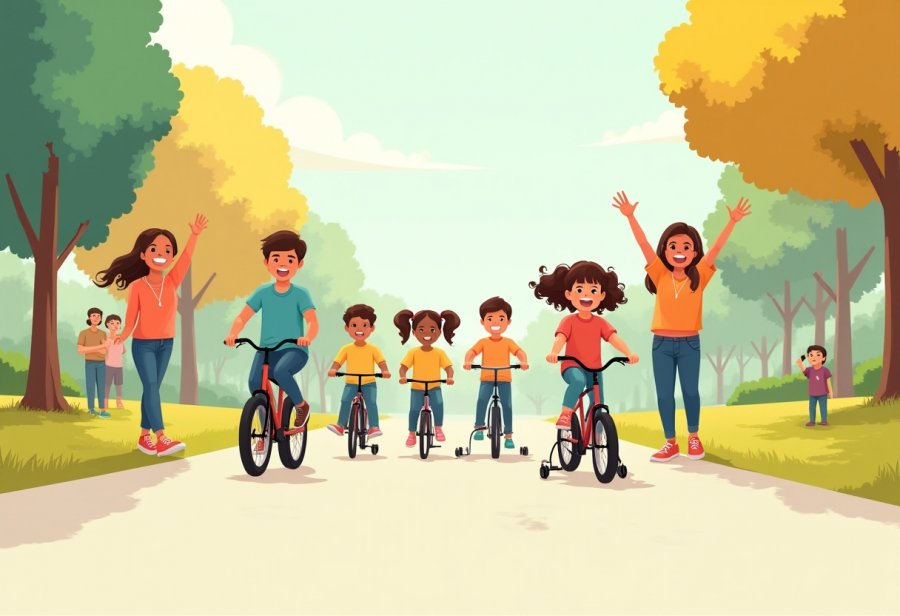
Learning to ride a bike is more than just a childhood milestone; it’s a rite of passage that symbolizes growth, courage, and family connection. That first wobble on two wheels is often filled with a mix of nervousness and excitement, marking a moment where independence begins to take shape. It’s not just about balance—it’s about pushing past fears and trusting in the support of loved ones. These small victories become treasured memories, woven into family stories that last a lifetime.
Parents and siblings play a crucial role in making this journey special. Their encouragement, steadying hands, and cheers help children overcome hesitation and embrace the challenge. These moments of shared effort deepen bonds and foster a sense of trust that extends beyond the bike itself. Creating a safe and familiar environment, like a quiet park or neighborhood street, helps kids feel secure enough to try, fall, and try again.
Learning to ride is also a lesson in resilience. Each wobble or fall teaches children that setbacks are part of progress, not failure. They discover that patience and persistence can turn initial fears into confidence. As they gain mastery, riding becomes a symbol of bravery—proof that with support, even the biggest challenges can be overcome.
This process is about more than just pedals and wheels. It’s about building courage, nurturing independence, and celebrating the simple joy of moving forward—with family right there every step of the way.
From Early Invention to Cultural Symbol: The History of Bicycle Riding and Independence
The story of riding a bike runs deep, stretching back over a century and shaping how we see childhood and independence today. When bicycles first appeared in the late 1800s, they quickly became symbols of freedom and adventure, offering kids a new way to explore beyond their immediate surroundings. Early models like the penny-farthing looked impressive but were risky, often leading to tumbles and injuries. It wasn’t until the invention of safer designs, such as chain-driven bikes with pneumatic tires, that cycling gained popularity as a practical and accessible activity for children.
As bicycles became more common, they also started representing social change. Riding a bike challenged class distinctions, giving more people the chance to travel farther and faster. Over time, cycling evolved from a simple pastime into a symbol of activism and environmental awareness, emphasizing health, mobility, and sustainability. Today, the image of a child confidently pedaling down the street is a universal sign of growth and independence, crossing cultural boundaries and inspiring new generations.
This evolution shows how riding a bike isn’t just about transportation; it’s about freedom, resilience, and self-reliance. From those early risky days to modern cycling culture, bikes continue to symbolize the journey toward independence. Learning to ride connects us to this broader history, reminding us that every pedal stroke carries the legacy of progress and possibility.
Mastering the Fundamentals: Balance, Skills, and Mindset for Confident Cycling
Learning to ride a bike isn’t just about moving forward; it’s about mastering key physical and mental skills that build confidence. Balance is the foundation—without it, riding feels unstable and frustrating. Kids develop this through simple exercises like gliding or balancing on a stationary bike, gradually gaining the steadiness needed for freewheeling. Coordination follows, requiring them to harmonize pedaling, steering, and body movements smoothly. Repetition turns awkward wobbling into confident riding, making the process feel more natural over time.
Psychologically, learning to ride involves resilience. Kids must face their fears of falling and wobbling, understanding that setbacks are normal. Patience, along with positive reinforcement from caregivers, nurtures a growth mindset, turning mistakes into learning opportunities. Overcoming the fear of falling is crucial; when children realize slips are part of progress, they tend to embrace the challenge more willingly.
Trust in their abilities develops through consistent practice. As muscles and minds sync, riding becomes more controlled and effortless. This mental shift from hesitation to confidence often happens gradually but is essential for independence. These core skills—balance, coordination, resilience—are interconnected, each reinforcing the other, laying the groundwork for more adventurous cycling experiences.
Together, they transform children from wobbling beginners into confident riders. This process teaches patience, persistence, and self-trust—values that extend far beyond the bike and into all areas of growth.
Real-World Tips for Success: Practical Strategies to Help Children Learn to Ride
Learning to ride a bike in the real world is about turning skills into confidence through practical experience. Starting on flat, open spaces like parks or quiet streets helps children focus on balancing and pedaling without feeling overwhelmed. Using balance bikes before transitioning to pedal bikes can ease the process, giving kids a solid sense of stability before they add the complexity of pedaling. Incorporating riding into daily routines—whether biking to school, the store, or family outings—makes cycling feel natural and part of everyday life, boosting both confidence and enjoyment.
Encouragement and celebrating small victories are key. When kids succeed in gliding a few meters or making their first turn, they gain a sense of accomplishment that motivates them to try more. Proper safety gear like helmets and pads not only protects but also helps kids feel secure, ready to explore with confidence. Regular practice, combined with positive reinforcement, helps children develop a sense of mastery and independence, making the learning process more fun and less intimidating.
Maintaining bikes and choosing the right gear can significantly improve the riding experience. Simple adjustments like seat height and checking tire pressure make a big difference in comfort and safety. Sharing stories from other families about their learning journeys can inspire kids and reassure them that setbacks are normal. When riding becomes a shared activity, it transforms from a skill into a bonding experience, creating lasting memories and habits.
As children grow more confident, they’re likely to explore adventurous routes and ride with friends, deepening their independence and social skills. These early lessons in persistence and resilience extend beyond cycling, shaping their attitude toward challenges in all areas. Making cycling accessible and fun lays the foundation for a lifelong love of activity, health, and outdoor exploration.
Supporting children through these practical steps helps ensure that cycling remains an enjoyable, safe, and rewarding part of their lives. When families prioritize safety, encouragement, and regular practice, learning to ride becomes more than just a milestone—it becomes a cherished chapter of growth and connection that influences their well-being for years to come.
Beyond the Wheels: Lifelong Lessons in Courage, Support, and Resilience
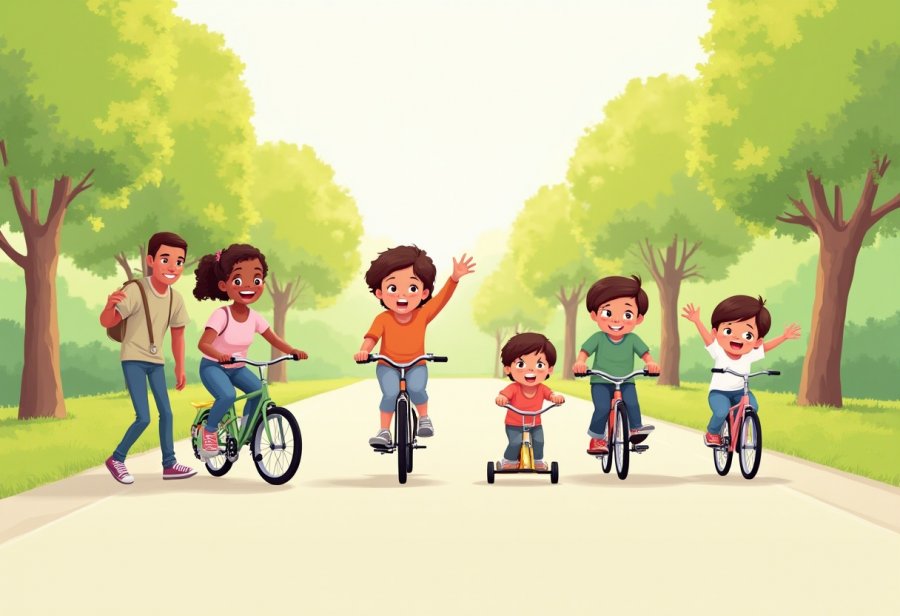
Learning to ride a bike is more than just a childhood milestone; it’s a journey that teaches resilience, support, and growth. The transition from wobbling uncertainty to confident independence shows us that fears are a normal part of progress and that patience is essential. Each fall or wobble becomes a stepping stone, reminding children—and us—that setbacks are part of learning, not failures. Trusting the process and staying persistent turn small efforts into meaningful achievements.
Support from family and friends plays a vital role in this journey. Their encouragement and shared celebrations help children see setbacks as opportunities to grow, strengthening bonds and building confidence. These moments of collective effort demonstrate that overcoming fears isn’t a solo act but a shared experience rooted in trust and patience. When children realize they’re not alone, they become more willing to face challenges head-on.
Riding a bike also emphasizes that growth takes time. It’s rarely a straight path but a series of small attempts, failures, and recoveries. Recognizing that progress is built on persistence helps children develop resilience and a positive outlook for future challenges. These lessons in patience and perseverance shape their attitude well beyond childhood.
This experience shows us that courage is cultivated through action and support. Facing fears on two wheels becomes easier when surrounded by encouragement. Every pedal stroke and wobble reveals that with trust and perseverance, fears can be transformed into confidence, fostering independence that lasts a lifetime.
Learning to ride embodies a universal lesson—that growth is a journey, not a destination. Each wobble and fall is a step toward mastery, made easier by patience and community. When supported and encouraged, children discover their inner strength, turning initial fears into lifelong confidence. These lessons stay with them, guiding their way through future challenges with resilience and optimism.
Key Lessons from the Ride: How Courage and Family Support Overcome Fears
Learning to ride a bike teaches us that courage and perseverance are powerful tools for overcoming fears. When children push past wobbling and falling, they discover that persistence transforms hesitation into confidence. Celebrating small victories along the way reinforces the idea that progress isn’t about perfection but about effort and resilience.
Family support plays a crucial role in this journey. When loved ones cheer and encourage, children feel safe to take risks and embrace challenges. Those shared moments of success build trust and deepen bonds, showing kids that they’re not alone in their struggles. This collective encouragement helps turn fear into motivation, inspiring kids to keep trying.
The process also emphasizes that growth takes time. Learning to ride isn’t a straight path; it involves setbacks and recoveries, each teaching patience and resilience. Recognizing that failures are part of progress helps children develop a positive attitude toward future obstacles, fostering a mindset that values persistence over perfection.
Overcoming fears on two wheels isn’t just about mastering a skill—it’s about building confidence that lasts a lifetime. Every wobble and fall becomes a stepping stone, shaping a child’s understanding that with support and patience, they can conquer challenges far beyond cycling.
Ultimately, the lessons from learning to ride extend into all areas of life. Courage, support, and resilience aren’t just for childhood—they’re the foundation for facing future fears and pursuing growth with optimism. This journey reminds us that the biggest victories often come from the smallest steps, taken with trust and perseverance.
Reflecting on Growth: Learning from Childhood Challenges to Build Confidence Today
Reflecting on the journey of learning to ride a bike invites us to consider how childhood experiences shape our approach to growth and resilience today. Those early wobbling attempts and small victories mirror the challenges we face as adults—fears of failure, the need for patience, and the importance of support from others. Recognizing that setbacks are natural steps rather than failures encourages a mindset that values persistence and effort.
Societal values also influence how we view these milestones. Many cultures celebrate resilience and perseverance, with the act of riding a bike symbolizing independence and progress. When we recall our own experiences, we see how encouragement from family and community transforms anxiety into motivation. Small acts of kindness and patience ripple outward, helping others build resilience and confidence.
This reflection highlights that overcoming fears often depends on collective effort. Support and reassurance turn daunting obstacles into opportunities for growth. It’s clear that success isn’t just about individual effort but about fostering environments where perseverance is valued and setbacks are viewed as part of the process.
Thinking critically about these childhood milestones reminds us that growth is rarely linear. Each wobble or fall is a vital part of learning, shaping our understanding that patience and community support are essential. These lessons guide us in facing future challenges with courage and optimism, reinforcing that growth is a shared journey.
Building Communities through Cycling: Promoting Safety, Fun, and Active Living
Encouraging more children and families to embrace cycling can create lasting positive change in communities. Organizing local bike safety workshops and family ride events helps beginners build confidence in a friendly, supportive atmosphere. These gatherings foster a sense of camaraderie, making cycling feel accessible and fun for everyone. Promoting safe infrastructure, like dedicated bike lanes and bike-friendly parks, reassures families that riding in their neighborhoods is both safe and enjoyable.
Schools and community centers can integrate cycling into their physical education programs, helping kids develop skills early and see biking as a regular activity. Sharing inspiring stories of families exploring trails or riding to school can motivate others to get started. Providing resources such as beginner routes, maintenance tips, and safety gear guidance makes cycling easier and safer, encouraging ongoing participation.
Supporting local bike shops and clubs also plays a vital role. They offer maintenance expertise, social opportunities, and encouragement that keep riders engaged. When communities prioritize cycling-friendly spaces and initiatives, riding becomes a natural part of daily life, fostering healthier, more connected neighborhoods.
Small actions like installing more bike racks or hosting community bike days can inspire a shift toward active transportation. Making cycling more accessible and supported helps embed it into everyday routines, turning it into a lifelong habit. By promoting these steps, we can nurture a culture of active, resilient communities where the joy of riding continues to grow.
Final Reflections: Embracing Growth, Support, and Resilience in Life’s Journey
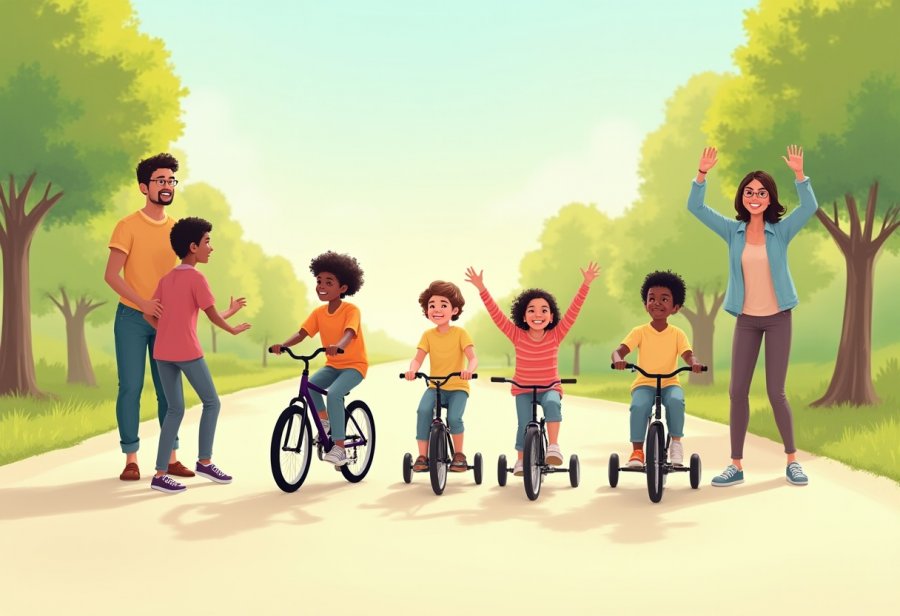
Learning to ride a bike is more than just a childhood milestone; it’s a powerful lesson in resilience, support, and growth. The process of moving from wobbles and fears to confident independence shows that setbacks are natural and part of the journey. Every fall or stumble becomes an opportunity to learn, reinforcing the idea that persistence turns small efforts into meaningful progress.
The encouragement of family and friends makes a crucial difference. Their cheers and patience help children see challenges not as insurmountable obstacles but as shared experiences that build trust and confidence. These moments of collective effort deepen bonds and show that overcoming fears is rarely a solo journey—it’s rooted in community and support.
Riding a bike also teaches that growth takes time. Progress isn’t a straight line but a series of small steps, setbacks, and recoveries. Recognizing that patience and perseverance are essential helps children develop resilience that extends well beyond childhood. These lessons in persistence shape their attitude toward future challenges, fostering a mindset of optimism and determination.
This journey reminds us that courage is cultivated through action and encouragement. When children feel supported, their fears transform into confidence, opening the door to independence that lasts a lifetime. Every pedal stroke becomes a symbol of trust in oneself and others.
In the end, learning to ride embodies a universal truth: growth is a journey, not a destination. Each wobble and fall is part of mastering a skill, made easier by patience, community, and belief in progress. These lessons stay with us, guiding us through future challenges with resilience and hope.