Step into the roaring world of 1970s American muscle cars with the Chevrolet SS, a symbol of raw power and unbridled style. These vehicles weren’t just transportation—they embodied rebellion, freedom, and a relentless pursuit of speed. From the thunderous roar of the big-block V8 engines to their bold, muscular designs, the era’s cars like the Chevelle SS 454 captured a culture eager to defy convention. Despite challenges like rising fuel costs and stricter regulations, their legacy persists through passionate restorations and modern adaptations. Today, enthusiasts blend nostalgia with innovation—upgrading performance, preserving authenticity, and fostering a community rooted in shared history. Looking ahead, the future promises a fusion of classic muscle car spirit with cutting-edge technology, including electric options, ensuring these icons of American ingenuity continue to inspire. Are muscle cars destined to evolve, or will their relentless swagger forever define a rebellious golden age?
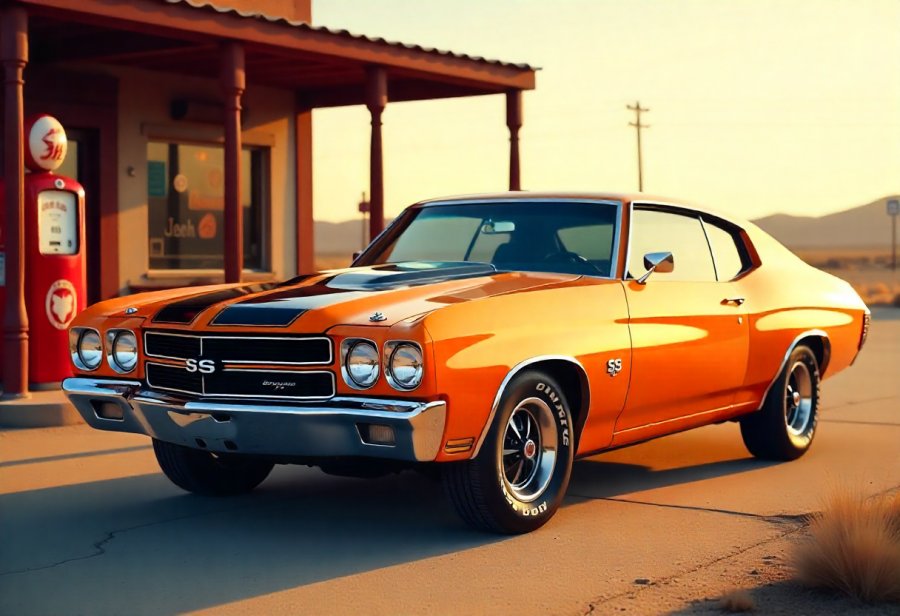
Unleashing Power and Style: The Iconic 1970s Chevrolet SS
The 1970s Chevrolet SS stands as a true icon of America’s golden age of muscle cars, embodying a time when raw power and bold style reigned supreme. These vehicles weren’t just transportation; they were symbols of rebellion and freedom, capturing the spirit of an era fueled by adrenaline and individualism. The Chevelle SS 454, in particular, became a legendary example of American horsepower, with its aggressive stance and thunderous engine roar turning heads wherever it appeared.
This period was characterized by a fierce pursuit of performance, even as external pressures like rising fuel prices and stricter emissions standards began to take hold. Car manufacturers, Chevrolet included, responded by pushing the limits of engine size and design, crafting models that prioritized horsepower and eye-catching aesthetics. The muscle cars of the ’70s, with their muscular bodies, racing stripes, and commanding presence, were designed to make a statement—powerful, fast, and unapologetically bold.
Inside these machines, the focus was on the driving experience. Simple yet functional interiors offered drivers control and immediacy, matching the cars’ performance-driven ethos. Under the hood, big-block V8 engines like the 454 cubic inch in the Chevelle SS delivered staggering horsepower and torque, making these cars capable both on the street and on the track. Their sounds, a deep growl and roar, became the soundtrack of a rebellious generation eager to push boundaries and defy convention.
Beyond their performance, these cars reflected a culture that celebrated individual expression and a love for racing influence. Their daring design—muscular lines, hoods with scoops, racing stripes—communicated speed and attitude even when parked. They symbolized a desire to stand out, to break free from tradition, and to embrace a bold, unapologetic identity that still resonates today.
Despite facing challenges like rising fuel costs and tightening regulations, the legacy of the Chevrolet SS endured. These cars became more than just machines—they became cultural icons representing resilience and the relentless pursuit of performance. Their influence has persisted through nostalgia and collector enthusiasm, ensuring that the roar of the muscle car era continues to inspire new generations of enthusiasts and dreamers alike.
Origins of Rebellion: Tracing the Birth and Evolution of Muscle Cars
The muscle car phenomenon didn’t happen overnight; it grew out of a unique blend of cultural shifts and technological advancements in post-World War II America. Car makers began experimenting with larger engines and sportier designs, aiming to deliver exhilarating speed without a hefty price tag. Chevrolet quickly found its footing in this movement, leveraging its reputation for reliability with models like the Chevelle SS, which combined aggressive styling with serious horsepower. These early efforts laid the groundwork for a movement driven by a desire for freedom, speed, and rebellion.
The roots of muscle cars stretch back to the late 1940s and 1950s, when automakers started pushing engine sizes and performance to new heights. As smaller, economy-focused cars gave way to bigger, more powerful machines, a culture of hot rodding and customization took hold. Enthusiasts began modifying their vehicles to squeeze out even more speed, forming clubs around shared passions for high performance and bold aesthetics. Models like the Pontiac GTO and Chevrolet’s own performance variants became symbols of youth rebellion and individual expression.
Racing, especially drag racing, played a crucial role in shaping the muscle car scene. It pushed manufacturers to develop engines capable of quick acceleration and high speeds, translating into street cars that looked as fierce as they performed. The thrill of competition fueled a relentless push for more horsepower and better handling, making muscle cars not just symbols of speed but icons of daring and attitude. As the 1960s unfolded, these vehicles became cultural staples, embodying a generation eager to break free from convention.
Design innovations during this period further fueled the craze. Larger engines like the legendary 454 cubic inch V8 found their way into models such as the Chevelle SS and Camaro Z28. These cars boasted muscular body lines, racing stripes, and performance features like cowl-induction hoods that shouted speed even when stationary. Improvements in suspension and aerodynamics made them not only visually intimidating but also capable performers on both street and track, cementing their status as true American icons.
However, the rapid rise of muscle cars faced significant challenges in the early ’70s. Rising fuel prices, stricter emissions standards, and safety regulations forced automakers to dial back horsepower and make compromises in design. Despite these hurdles, the legacy persisted, fueled by nostalgia and a desire to preserve their rebellious spirit. Today, the story of muscle cars reflects a blend of American innovation and a cultural yearning for freedom, speed, and individualism—values that continue to define their enduring appeal.
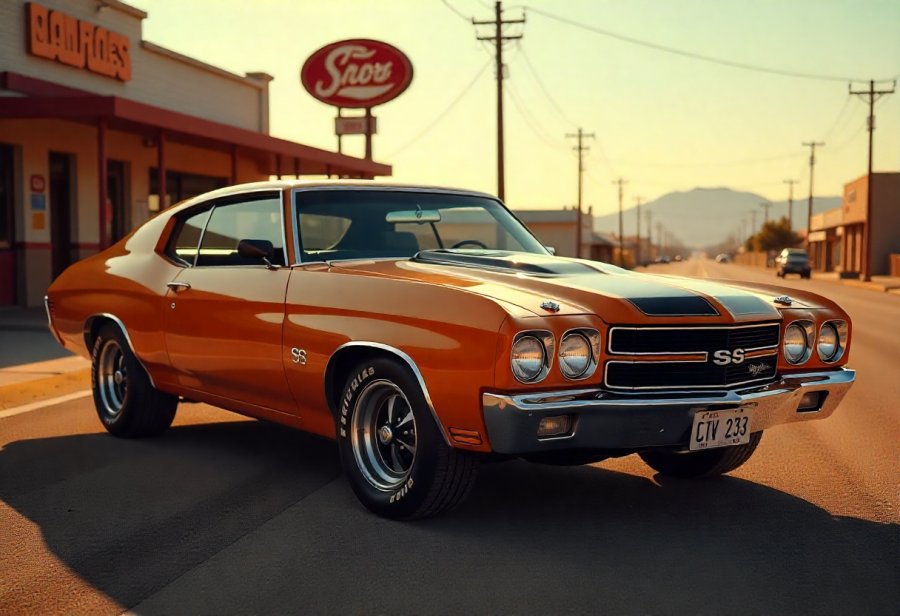
Reviving Legends: The Enduring Legacy of 1970s Chevrolet SS
Today, the legacy of the 1970s Chevrolet SS lives on through a passionate community of restorers and enthusiasts dedicated to preserving its spirit. Many are drawn to these cars not just for their striking aesthetics but for the stories and nostalgia they carry. Restorers often focus on authenticity, carefully sourcing original badges, trim, and engine parts to bring these classics back to their former glory. When a Chevelle SS 454 roars back onto the street, it’s more than a visual feat—it’s a revival of a cultural icon that defined an entire era of American muscle.
This passion extends beyond simple preservation. Modern interpretations and aftermarket upgrades breathe new life into these vintage models, blending classic style with contemporary technology. Upgrading engines, suspensions, or safety features allows owners to enjoy their muscle cars daily without losing their original character. This fusion of old and new keeps the Chevrolet SS relevant and exciting, connecting past performance with present-day driving needs.
The cultural significance of these vehicles persists, amplified by their appearances in movies, TV shows, and media that highlight their rebellious spirit. Films like “Bullitt” and “Gone in 60 Seconds” showcase muscle cars as symbols of speed, attitude, and freedom. Car shows and muscle car festivals gather enthusiasts eager to see meticulously restored classics and hear their thunderous engines. Online communities further strengthen this bond, providing spaces for sharing stories, tips, and camaraderie that span generations.
Restoring a Chevelle SS or Camaro Z28 isn’t without challenges. Rust, especially in older vehicles, tests the patience of restorers and often requires extensive bodywork. Finding original parts can be difficult, as many are no longer produced, pushing enthusiasts to search specialty suppliers or salvage yards. Engine rebuilds and electrical rewiring demand skill and patience, but the sense of achievement when the car roars again makes it all worthwhile. Each restoration is a testament to craftsmanship and a dedication to keeping the muscle car spirit alive.
Caring for a vintage Chevrolet SS is more than maintenance; it’s a way to connect with a shared history of American innovation and rebellion. By respecting its design, maintaining its performance, and sharing its stories, owners ensure that the roar of the muscle car era continues to inspire. These vehicles are not just relics—they’re living symbols of freedom, power, and bold attitude, thriving in the hands of a new generation of enthusiasts who keep the legacy roaring into the future.
Preserving Performance: Practical Ways to Maintain and Celebrate the Muscle Car Spirit
Preserving the legacy of the Chevrolet SS today goes beyond simply keeping a vintage vehicle on the road; it’s about honoring its history and celebrating its role in American muscle car culture. For enthusiasts and collectors, authentic restoration is key. Sourcing original badges, trim, and engine parts maintains the car’s true character and ensures that its performance echoes the power it once commanded. Paying attention to these details keeps the spirit of the muscle car alive, allowing each vehicle to tell its story and roar with authenticity.
Regular maintenance is vital to keep these classics street-ready. Routine tasks like oil changes, brake inspections, and suspension checks might seem simple, but they’re essential for reliability and safety. Keeping the engine tuned and drivetrain in top condition allows owners to experience the true muscle car performance and sound every time they hit the road. This ongoing care preserves not just the vehicle’s appearance but also its ability to deliver that iconic, thunderous roar that defines its character.
Connecting with the muscle car community enhances preservation efforts and enriches the ownership experience. Car clubs, online forums, and local meets provide platforms to share tips, swap restoration stories, and learn from others’ successes. These interactions foster camaraderie and collective pride, inspiring new ideas and techniques to keep these cars in prime condition. Sharing progress and challenges creates a sense of belonging and helps ensure that the broader legacy endures across generations.
Modern upgrades offer a way to enjoy these cars without sacrificing their vintage charm. Upgrading suspension, brakes, or safety features can improve handling and daily drivability, making them more practical for modern roads. Many owners personalize interiors with contemporary audio systems or comfort enhancements, blending classic style with current technology. These modifications help keep the Chevrolet SS relevant and accessible, allowing enthusiasts to experience the thrill of muscle car performance every day.
Restoration and maintenance come with challenges—finding original parts, battling rust, or redoing electrical systems require patience and skill. Yet each hurdle overcome adds to the satisfaction of reviving a piece of automotive history. When a restored Chevelle SS or Camaro Z28 roars back to life, it’s more than just a car; it’s a symbol of craftsmanship, rebellion, and American ingenuity. Every restored vehicle becomes a rolling testament to the enduring spirit of muscle cars.
Caring for a vintage Chevrolet SS is about more than mechanics; it’s about building a connection to a shared heritage. Respecting the design, preserving its performance, and sharing its story keep the muscle car spirit vibrant. Each owner becomes a custodian of a tradition rooted in power, style, and attitude—values that continue to inspire new generations of enthusiasts. Through dedication and passion, these cars remain living icons, fueling the ongoing legacy of American muscle.
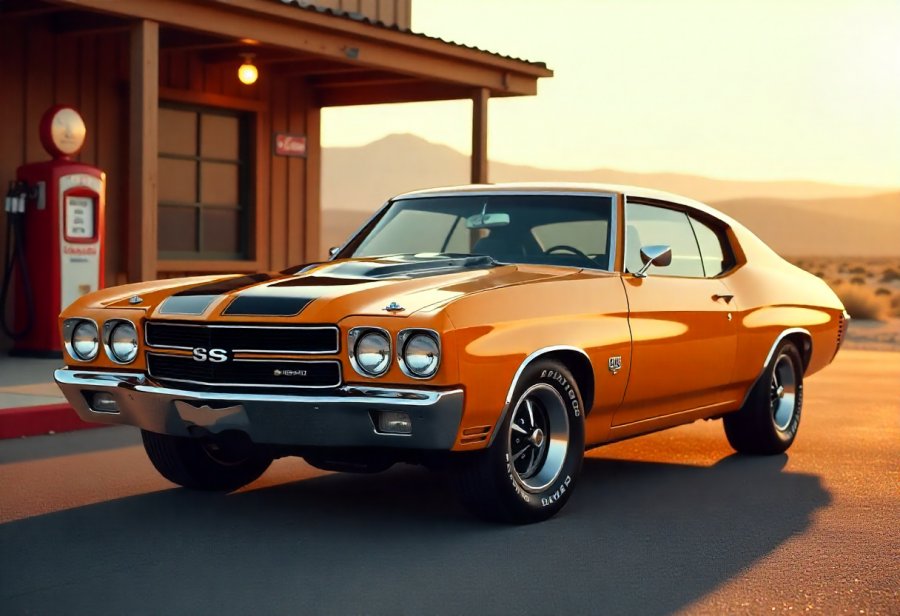
Future Roars Loud: Emerging Trends and Innovations in Muscle Car Evolution
Looking ahead, the future of muscle cars like the Chevrolet SS is shaping up to be as dynamic and innovative as their past. Today’s manufacturers are blending the raw, iconic power that defined the golden age with cutting-edge technology, creating vehicles that respect tradition while embracing modern advancements. Electric and hybrid powertrains are gaining ground, proving that high performance and environmental responsibility can go hand in hand. These new engines deliver impressive acceleration and torque, all while reducing emissions, ensuring muscle cars remain relevant in a world increasingly focused on sustainability.
Design trends are also evolving to reflect a balance between aerodynamics and classic muscle car aesthetics. Sleeker, more streamlined shapes replace some of the bulky profiles of previous decades, with lightweight materials improving handling and fuel efficiency. The focus has shifted from just straight-line speed to creating a well-rounded driving experience—combining power, agility, and daily practicality. This shift demonstrates that muscle cars are not only about raw horsepower but also about offering a versatile, engaging ride that fits into modern lifestyles.
Inside, technology continues to reshape the cockpit. Digital displays, driver-assist features, and customizable interfaces provide a modern touch without sacrificing the nostalgic appeal. Performance tracking tools and telemetry systems let drivers monitor their car’s capabilities in real time, blending old-school muscle with smart, tech-savvy features. These innovations make muscle cars more accessible and safer, appealing to a broader audience eager to experience their thrill while enjoying modern comforts.
Culturally, muscle cars are shedding some of their rebellious image and becoming symbols of innovation and sustainability. Electric muscle cars are emerging, emphasizing that performance and environmental care can coexist. This evolution resonates with younger generations and traditional enthusiasts alike, highlighting that muscle cars are adaptable icons capable of redefining themselves for new audiences. The ongoing integration of cutting-edge tech with classic design keeps the spirit of the muscle car alive, relevant, and exciting.
Enthusiast communities and customization options continue to drive this evolution. From personalized aesthetics to performance upgrades, owners have the opportunity to craft cars that are uniquely theirs. Car clubs, online forums, and shows foster a shared passion for both preservation and innovation, ensuring the legacy of American muscle remains vibrant. As the boundaries of what a muscle car can be expand, they continue to symbolize American ingenuity, resilience, and boldness—roaring confidently into the future.