Step into the world of the backyard mechanic—a sanctuary where passion, craftsmanship, and resilience intertwine. This space is more than just a garage; it’s a refuge from daily chaos, fostering mindfulness and emotional healing through the hands-on act of restoring vintage machines. Each bolt tightened and surface polished symbolizes perseverance and respect for heritage, transforming neglect into resilience. But what unseen benefits lie beneath the grease and rust? Engaging with these mechanical projects offers profound psychological rewards: reduced stress, boosted confidence, and a renewed sense of purpose. The deliberate pace and tangible progress create a meditative environment that nurtures patience and mental clarity. As each project becomes a story of revival, it reveals a deeper truth—this craft nurtures resilience, emotional strength, and a powerful connection to tradition. Could the simple act of fixing an engine be the key to personal renewal and mental well-being? The answer lies in every turn of the wrench.
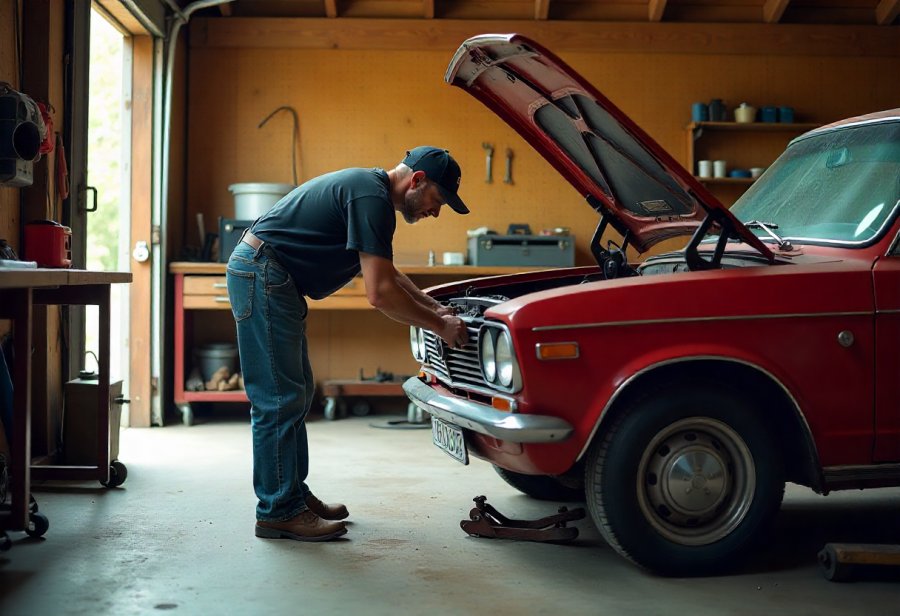
The Sanctuary of the Backyard Mechanic: A Personal Retreat of Passion and Craftsmanship
The home garage is more than just a place to park your car—it’s a personal sanctuary where passion, craftsmanship, and mechanical artistry come alive. For many backyard mechanics, this space transforms into a refuge from daily stress, a quiet corner where focus replaces distraction. It’s where patience and attention to detail turn rusty relics into shining machines, each repair telling a story of dedication and skill.
Inside, the garage reflects its owner’s personality. Walls are lined with pegboards holding an array of tools, each carefully arranged for quick access. Workbenches cluttered with parts—old carburetors, spare engines, and mysterious mechanical bits—are testaments to countless hours of hands-on work. The familiar scent of oil, metal, and coffee creates an inviting atmosphere that encourages concentration and creativity.
This space isn’t just about fixing cars; it’s a place to preserve history and express individuality. Restoring vintage machines becomes more than a mechanical task—it’s craftsmanship, an art that connects the present to the past. Every bolt tightened, every surface polished, contributes to a sense of mastery and pride, turning neglected engines into symbols of revival and resilience.
For many backyard mechanics, the garage acts as a mental retreat. The rhythmic motion of turning wrenches and diagnosing problems offers a calming rhythm, helping to clear the mind and reduce stress. The deliberate pace of mechanical work fosters mindfulness, making the garage a space where worries fade and patience takes center stage. It’s a place to unwind, think, and reconnect with one’s passions.
Beyond the physical act of repair, the garage becomes a space for emotional connection. Restoring a vintage engine links the mechanic to a heritage of craftsmanship, each project a personal story of perseverance. The joy of hearing an engine roar to life after hours of effort provides a deep sense of accomplishment, reinforcing a love for machines and craftsmanship that endures over time.
The Psychology of Garage Work: Boosting Mental Well-Being Through Mechanical Mastery
Working on machines in your home garage offers more than just fixing cars—it can be a profound boost for mental well-being. The hands-on, focused nature of mechanical projects helps clear the mind and reduce stress in a way that few other activities can match. When you’re bent over an engine or carefully restoring a vintage part, your thoughts narrow to the task at hand, creating a meditative state that temporarily pushes aside worries and distractions. This mental clarity provides a much-needed break from the chaos of daily life, turning the garage into a true sanctuary.
Seeing tangible progress—like fitting a new gasket or hearing an engine roar back to life—instills a sense of control and achievement. These small victories become especially meaningful during stressful times, offering a positive focus that can uplift your mood. Over time, working on mechanical projects builds resilience and patience, transforming frustration into perseverance. The act of troubleshooting and fixing problems becomes a reminder that persistence pays off, both in mechanics and in life’s broader challenges.
The garage environment encourages mindfulness through deliberate, slow-paced work. Rushing often leads to mistakes, so taking your time fosters a calm, attentive mindset. This discipline helps you recharge mentally, providing a space where worries fade and clarity takes over. It’s a quiet, disciplined ritual that not only improves your mechanical skills but also cultivates a sense of inner calm and focus, making each session restorative.
Beyond the physical act of repair, there’s an emotional connection that deepens with every project. Restoring a vintage engine or reviving a neglected vehicle links you to a heritage of craftsmanship and tradition. The pride that comes from hearing an engine run again after hours of effort fuels a sense of purpose and fulfillment. These moments of revival transform mechanical work into stories of patience, resilience, and love for the craft—stories that stay with you long after the work is done.
In the end, working in your garage becomes more than a hobby; it’s a form of therapy. The focus, routine, and sense of mastery involved provide a mental refuge, helping to reduce anxiety and boost confidence. It’s a space where patience and persistence are rewarded, and where the act of reviving old machines mirrors a personal journey of renewal. This simple yet meaningful activity nurtures resilience, creativity, and emotional strength—turning the garage into a true sanctuary for the mind.
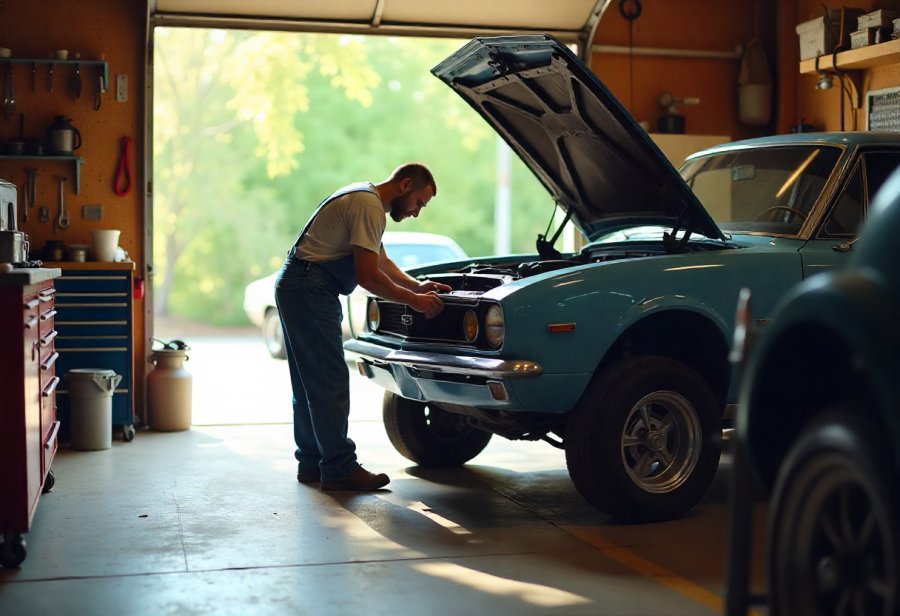
The Craftsmanship of Car Repair: Artistry, Patience, and Precision in Restoration
Restoring vintage vehicles and mechanical devices demands more than just technical skill; it’s a craft rooted in patience, precision, and an eye for detail. Every project becomes a puzzle where understanding how each part fits and functions within the whole is crucial. This isn’t a skill mastered overnight—it’s built through years of hands-on experience, experimentation, and a genuine love for the art of restoration.
Patience stands at the core of this process. Restorations rarely follow a straightforward path, often involving setbacks like rust, corrosion, or missing components. Carefully stripping away grime, repairing or fabricating parts, and restoring surfaces to their original condition takes time and deliberate effort. Rushing risks shortcuts that can compromise both the integrity and beauty of the final result. Skilled restorers work slowly, knowing that true craftsmanship is measured by quality, not speed.
The artistry in vintage repair shines through in the smallest details—polished chrome, carefully matched paint shades, and meticulously restored interiors elevate a vehicle from mere machinery to a work of art. These finishing touches reflect a craftsman’s dedication and nuanced eye, transforming mechanical precision into aesthetic beauty. Balancing technical mastery with aesthetic sensibility is what makes restoration deeply rewarding.
Experienced backyard mechanics often develop their own techniques that boost efficiency and authenticity. Some use electrolysis to remove rust without damaging original metal, while others craft custom tools to reach difficult spots. These methods, passed down through community knowledge and personal experimentation, become essential routines that help preserve original parts and improve the quality of work. Such techniques showcase the true spirit of craftsmanship.
Restoring a vintage vehicle is about more than fixing a machine—it’s about preserving history. Every bolt tightened and every surface polished pays homage to the artisans who built these machines decades ago. This act of revival safeguards craftsmanship, ensuring that future generations can appreciate the skill and dedication involved. When a rusty engine roars back to life, it’s a testament to patience, precision, and passion.
This craft demands respect for the process. Rushing or cutting corners can diminish the authenticity and durability of the restoration. Instead, true artisans approach each project with care, understanding that mastery lies in attention to detail and the willingness to take the time needed. It’s about creating something that not only functions but also honors its heritage.
In the end, restoring vintage vehicles elevates mechanical work into an art form. It’s a blend of skill, patience, and aesthetic sensibility that transforms neglected relics into shining symbols of resilience. This craftsmanship is a testament to the enduring love for machines and the timeless pursuit of revival—proof that dedication and artistry turn rust into resilience.
Psychological Benefits of Garage Restoration: Healing the Mind One Repair at a Time
Working on machines in your home garage offers more than just fixing cars—it can significantly boost mental well-being. The focused, hands-on nature of mechanical projects helps clear the mind and reduce stress in a way few activities can match. When you’re bent over an engine or restoring a vintage part, your thoughts narrow to the task at hand, creating a meditative state that temporarily pushes aside worries and distractions. This mental clarity turns the garage into a true sanctuary where worries fade and focus takes over.
Seeing tangible progress, like fitting a new gasket or hearing an engine roar again, brings an immediate sense of control and achievement. These small victories offer a positive boost, especially during challenging times, giving you something meaningful to work toward. Over time, these projects build resilience and patience, transforming frustration into perseverance and confidence.
The garage environment encourages mindfulness through slow, deliberate work. Rushing often leads to mistakes, so taking your time fosters a calm, attentive mindset that benefits both your mental health and the quality of your work. This disciplined approach helps you recharge mentally, making each session a moment of calm and focus amid daily chaos.
Beyond the mechanics, there’s an emotional connection that deepens with every project. Restoring a vintage engine or reviving a neglected vehicle links you to a heritage of craftsmanship and tradition. The pride that comes from hearing an engine run again after hours of effort fuels a sense of purpose and fulfillment. These moments of revival turn mechanical work into stories of patience, persistence, and love for the craft.
Developing routines around garage projects further enhances mental well-being. Simple habits like organizing tools or setting clear goals create stability and a sense of control. These rituals foster patience and discipline, making mechanical work not just productive but also therapeutic. Over time, this steady rhythm provides a reliable way to unwind and reconnect with passions that nurture the mind.
Working on machines in the garage acts as a mental reset, offering relief from the noise and distractions of everyday life. The concentration required helps block out external chaos, giving your mind space to breathe. This mental clarity often leads to better problem-solving skills and a more relaxed outlook, extending the calming benefits beyond the garage.
In sum, garage projects deliver more than mechanical skills—they nurture emotional resilience, confidence, and peace of mind. The act of diagnosing problems, witnessing progress, and reviving old machines creates a sense of mastery and calm that’s hard to find elsewhere. For many, this space becomes a refuge for reflection and renewal, turning a simple hobby into a powerful tool for mental health and personal growth.
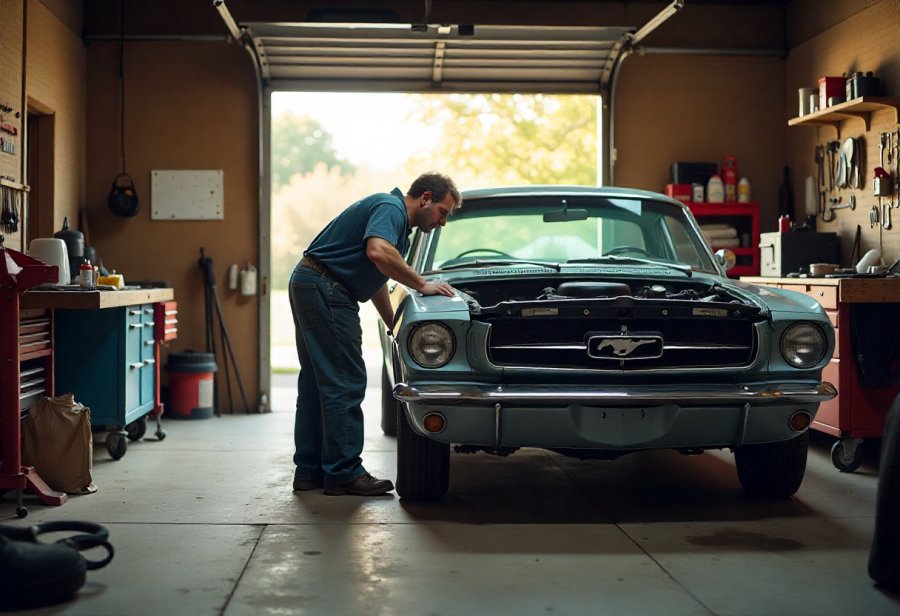
Reflections and Takeaways: The Emotional Power of Reviving Old Machines
Spending time in the garage restoring old machines reveals more than just mechanical skills—it uncovers deep psychological and emotional benefits that often go unnoticed. The hands-on process of diagnosing problems, carefully restoring parts, and witnessing tangible progress provides a sense of mastery and control that’s rare in everyday life. These moments of achievement—fitting a gasket or hearing an engine roar again—build confidence and resilience, transforming a hobby into a source of mental strength.
The connection to craftsmanship and history runs through every project, making the act of revival more meaningful. Each bolt tightened and surface polished pays homage to the artisans of the past, preserving their legacy and ensuring their skills aren’t lost. This emotional bond turns mechanical work into a story of perseverance, patience, and passion—stories that linger long after the work concludes.
The garage acts as a mental sanctuary—a space where worries fade and focus sharpens. The slow, deliberate pace of mechanical tasks encourages mindfulness, helping clear the mind and reduce stress. Developing routines, like organizing tools or setting clear goals, creates a sense of stability and control, transforming each session into a restorative ritual. Over time, these habits foster patience and discipline, making garage work a reliable way to unwind and reconnect with personal passions.
Working on machines also teaches resilience. Facing setbacks like rust or missing parts challenges patience but ultimately reinforces persistence. Each problem solved or project completed proves that steady effort pays off, both in mechanics and in broader life challenges. These small victories cultivate a positive outlook, reminding us that perseverance and attention to detail lead to lasting rewards.
Beyond individual growth, these projects foster a sense of community. Sharing techniques, tips, and stories with fellow backyard mechanics keeps the tradition alive and reinforces the value of craftsmanship. This collective exchange creates camaraderie and pride, passing down skills and values across generations, enriching the experience beyond just fixing machines.
The act of revival in the garage mirrors personal renewal. Restoring an old engine or vintage vehicle becomes a metaphor for overcoming obstacles, transforming neglect into resilience. It shows that patience and dedication are key not only to mechanical restoration but to life’s broader challenges, turning setbacks into opportunities for growth.
In the end, garage restoration isn’t just about fixing old machines; it’s a journey of self-discovery. The patience, focus, and love poured into each project shape a resilient mindset that extends beyond the workshop. The emotional rewards—pride, perseverance, purpose—make this activity a powerful tool for mental well-being, turning a simple hobby into a meaningful pursuit of personal renewal.