Mastering the art of calm, focused walking with your dog can transform ordinary outings into meaningful moments of connection and trust. But how do you turn chaotic pulls and distractions into peaceful harmony? This guide unveils proven techniques rooted in positive reinforcement, patience, and modern tools to teach your dog to stay relaxed by your side. From selecting the right equipment to gradually introducing distractions, you’ll learn how consistent routines and gentle guidance foster confidence and mutual respect. Real-life stories highlight the profound impact of these methods, turning stressful walks into safe, enjoyable experiences. Are your daily walks on the verge of becoming a source of frustration or joy? With strategic steps and a compassionate approach, you can unlock a peaceful, mutually rewarding bond—making every walk not just a routine but a shared journey of trust and calmness.
Mastering Calm, Focused Dog Walking: The Key to Connection and Safety
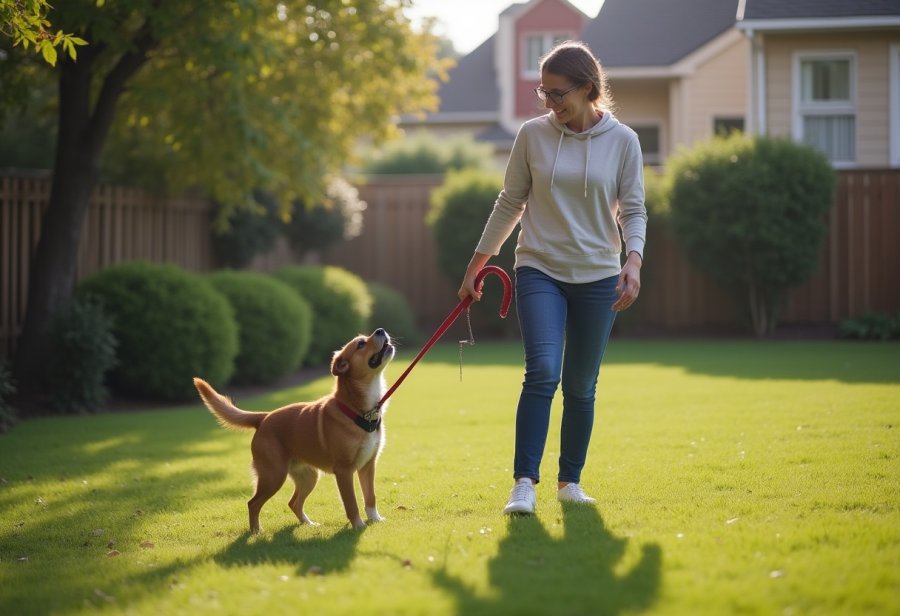
Walking calmly with your dog might seem straightforward, but it’s actually one of the most valuable skills you can develop as a pet owner. When your dog learns to walk beside you with focus and relaxation, daily outings become more than just routines—they turn into moments of connection and trust. A peaceful walk not only makes the experience more enjoyable but also lays the foundation for a stronger bond built on mutual understanding. When your dog stays calm and attentive, it creates harmony that benefits both of you, transforming stressful outings into shared teamwork.
Mastering calm walking also enhances safety. Dogs that pull or lunge can accidentally cause injuries or wander into dangerous situations. A controlled, relaxed walk allows you to enjoy your surroundings more fully and keep everyone safe. Instead of constantly managing your dog’s behavior, you can focus on the environment and your companionship, making each walk a positive, bonding experience rather than a chore.
Teaching your dog to stay calm takes patience and consistency, but the rewards extend beyond obedience. It deepens your relationship, fostering trust and respect. When your dog understands that staying focused and relaxed during walks results in praise and treats, they’re more likely to repeat that behavior. Over time, calm walks become the new normal, turning daily routines into opportunities for learning and mutual joy.
Understanding why calm, focused walking matters helps set the stage for success. It’s about more than leash manners; it’s about creating positive associations with walking. When your dog feels safe and confident, they’re less anxious and more cooperative. With gentle guidance and patience, these peaceful walks become shared journeys that strengthen your bond and trust.
Every walk offers a chance to reinforce these skills. Even small improvements—like your dog walking calmly for a few steps—are steps forward. Progress might be slow at times, but with consistency and patience, calm, focused walks will become the norm. In the end, this approach transforms everyday outings into moments of connection and joy, building a trusting, balanced relationship that lasts.
Foundations of Dog Communication and Reward-Based Training
Understanding how dogs communicate and behave is essential for effective leash training. Dogs are inherently social animals that rely heavily on body language, tone of voice, and routines to interpret their environment. Recognizing these signals helps you respond in ways that promote calmness and cooperation, rather than frustration or confusion. When your dog feels understood, they’re more likely to remain relaxed and attentive during walks.
Positive reinforcement remains the cornerstone of successful training. Instead of correction or punishment, rewarding calm, focused behavior encourages dogs to repeat those actions. Treats, praise, and gentle petting build trust and motivate your dog to stay engaged. This approach fosters a relationship rooted in mutual respect, making training more humane and effective.
Training techniques have evolved from correction-based methods to reward-centered strategies. Early training in quiet environments helps your dog grasp basic commands without feeling overwhelmed. This early foundation is crucial, as it sets the tone for more complex skills later. Clear cues like “heel” or “focus” become a shared language that your dog understands, making the walk smoother and more predictable.
Patience is vital, as each dog learns at their own pace. Rushing or showing impatience can damage trust and hinder progress. Short, positive sessions with consistent routines help your dog build confidence and develop good habits. Over time, these small steps translate into calm, attentive walking in various environments.
Gradual exposure to distractions further enhances your dog’s ability to stay focused. Starting in familiar, low-stimulation settings and slowly adding stimuli like other dogs or loud noises helps your dog learn to remain calm amid chaos. Rewarding relaxed behavior during these moments reinforces the message that staying composed is always worthwhile.
Using appropriate equipment can support your training efforts. Front-clip harnesses or no-pull collars discourage pulling without causing discomfort. These tools make it easier for your dog to adopt good leash manners and help you maintain control. Proper equipment, combined with consistent practice, accelerates progress and reduces frustration.
Remember, each dog is unique, and training is a journey. Celebrate small victories along the way, like your dog walking calmly for a few steps or ignoring a distraction. These moments reinforce the behavior you want to see and boost your dog’s confidence. With patience, consistency, and understanding, you’re building a foundation for peaceful, enjoyable walks that strengthen your bond.
The Modern Landscape of Dog Leash Training: Trends, Challenges, and Opportunities
Dog leash training today is more innovative and accessible than ever before, thanks to a range of new tools and evolving techniques. Modern methods emphasize positive reinforcement, making the process humane and effective. Owners now have options like front-clip harnesses and no-pull collars that help manage pulling without causing discomfort, transforming walks into calmer, more enjoyable experiences. Additionally, digital apps and remote trainers offer real-time feedback and insight, even in distracting environments, helping owners stay consistent and motivated.
Despite these advancements, challenges remain. Busy streets, high-energy dogs, and limited training time can make consistency difficult. External distractions such as squirrels, other dogs, and loud noises often pull your dog’s focus away, leading to setbacks. However, these obstacles can be turned into opportunities by gradually exposing your dog to more stimulating environments while rewarding calm, attentive behavior. This approach helps build confidence and self-control, making progress feel more achievable.
The shift away from correction-based methods toward reward-centered techniques is clear. Rewarding calm walking with treats or praise encourages dogs to voluntarily choose good behavior. Trainers recommend starting in quiet settings, then gradually introducing distractions as your dog’s focus improves. This fosters trust and makes training feel positive rather than punitive, strengthening your bond.
Innovations like electronic collars and training apps are gaining popularity, especially for owners managing reactive or older dogs. When used responsibly, these tools provide instant feedback and track progress, making training more efficient. They also help busy owners fit training into tight schedules without sacrificing effectiveness, opening new possibilities for consistent progress.
Early training remains essential. Introducing basic commands and leash manners from puppyhood creates a strong foundation. Consistency and patience are key—practicing in familiar environments first prevents overwhelm and sets your dog up for success. Over time, these skills translate into calmer, more focused walks across various settings.
Overall, the landscape of leash training is dynamic and full of promise. With the right combination of humane tools, modern techniques, and patience, owners can overcome common hurdles. The result is safer, more peaceful walks that deepen trust and connection. This progress not only improves behavior but also enhances the joy of shared experiences with your dog.
Smart Spending: Balancing Cost and Value in Dog Training Tools
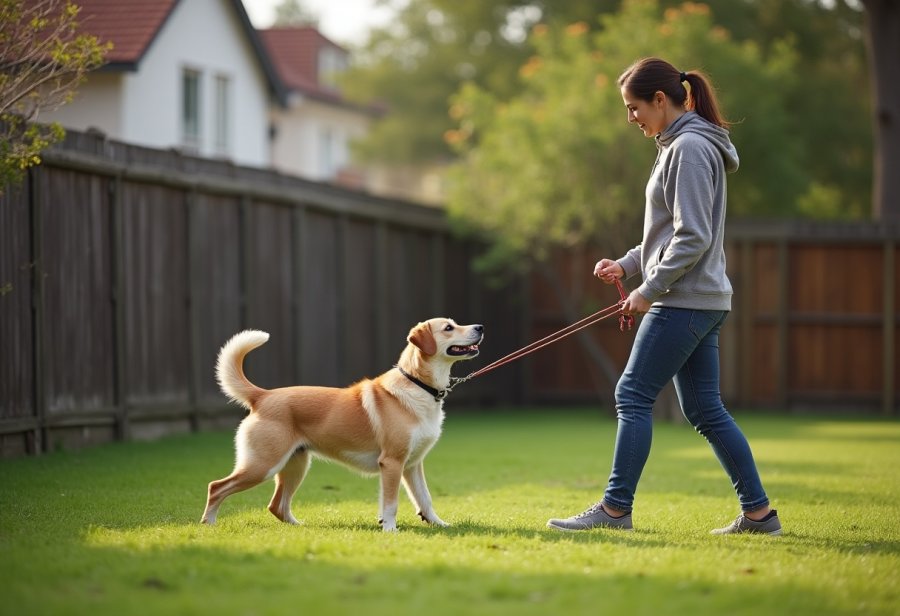
Training your dog to walk calmly doesn’t have to break the bank, but choosing your tools wisely can make a real difference in your progress. Basic essentials like sturdy leashes, comfortable collars, and tasty treats are affordable options that set a solid foundation for effective training. These small investments pay off by reinforcing good behavior and keeping your dog engaged.
If your dog tends to pull or get distracted easily, specialized equipment like front-clip harnesses or no-pull collars are worth considering. While they might cost a bit more upfront, they often help you see quicker results and reduce frustration for both of you. Over time, these tools can save you money by preventing setbacks and making training smoother.
Professional help, such as group classes or private trainers, does come with a price tag. However, the guidance they provide can be invaluable, helping you avoid common mistakes and accelerate your dog’s learning. For those on a tighter budget, many online resources—videos, articles, and forums—offer free, reliable advice that can be just as effective.
Treats are a recurring expense but are essential for positive reinforcement. Opting for quality treats doesn’t mean spending a lot; small, frequent rewards are enough to motivate your dog and reinforce calm, focused walking. Using what you already have at home or buying in bulk can stretch your budget further.
Investing in the right equipment early on supports your training efforts and makes it easier for your dog to adopt good leash manners. Proper tools reduce the likelihood of injuries and setbacks, ultimately saving money and time. Remember, it’s not about spending the most but spending smartly on resources that truly enhance your dog’s progress.
Low-cost alternatives and community resources can also help you stay on track without overspending. Many shelters or local pet organizations offer affordable or even free training programs, which can provide structure and expert advice without straining your finances. Combining these options with consistent practice maximizes your results.
In the end, the goal is to find a balance between cost and value. Focus on what genuinely contributes to your dog’s training and your shared safety and comfort. Small, strategic investments—paired with patience and persistence—are often enough to achieve calm, joyful walks. The true expense lies in neglecting consistent effort; investing in your time and patience yields the best long-term results.
Real-Life Success Stories: How Calm Walks Transform Daily Life
Many dog owners have seen firsthand how calm, focused walks can transform their daily routines. Take Sarah, for example, whose energetic Labrador used to pull and lunge through busy city streets. After consistent, reward-based training, her walks became peaceful and manageable. Now, she can stroll past crowds, cars, and other dogs without stress, making outings safer and more enjoyable for both of them.
Similarly, Mark and Bella, his rescue dog, found that patience and gentle guidance turned their walks into bonding moments rather than frustrations. Over time, Bella learned to stay calm and attentive, even amid distractions. These stories highlight how small but steady efforts can lead to big changes, turning chaotic walks into opportunities for connection.
Owners often notice a breakthrough when their dogs respond to cues like “heel” or “focus” in real-world settings. A dog walking calmly at your side, without pulling or barking at every passing squirrel, creates a more relaxed atmosphere. This not only improves safety but also boosts your dog’s confidence, showing them they can stay composed even when things get busy or loud.
Beyond obedience, these peaceful walks deepen trust. When your dog feels secure and understands your cues, they’re more likely to remain calm in new environments. This sense of security often spills over into other areas, making your dog more balanced and well-behaved overall.
Many owners find that once their dog masters calm walking, daily outings become less stressful and more enjoyable. Instead of managing chaos, you can focus on the moment and strengthen your bond. These real-life successes prove that with patience and consistency, peaceful, joyful walks are within reach for most dog owners.
Step-by-Step Guide to Building Calm, Focused Walking Habits
Begin by choosing a quiet, familiar environment where your dog feels safe and confident. Keep the leash short enough to maintain control without causing discomfort, and have treats ready to reward your dog’s focus. Start with simple commands like “heel” or “walk,” and immediately reward your dog when they walk calmly beside you. Keep sessions brief—around five to ten minutes—to keep your dog engaged and prevent frustration. As your dog improves, gradually extend the duration of walks and introduce gentle distractions, always reinforcing calm behavior with treats and praise.
Consistency is key to success. Practice the same commands and routines daily, so your dog learns what’s expected. Use positive reinforcement every time they respond correctly, and stay patient if progress is slow. Dogs learn best when they associate good behavior with rewards, so maintain a calm, encouraging tone throughout each session. Over time, these small, regular efforts build your dog’s confidence and help establish calm, focused walking as a habit.
Once your dog reliably responds in quiet settings, gently introduce mild distractions like passing people or other dogs. Increase the challenge gradually, rewarding your dog for remaining relaxed and attentive. Remember, patience and persistence are essential—your dog needs time to generalize these skills across different environments. Reinforce that staying calm and focused always leads to praise, making the behavior more appealing than pulling or fixating on stimuli.
Use appropriate equipment such as a front-clip harness or no-pull collar to support your training. When your dog pulls, gently stop and wait until the leash slackens before moving on. This teaches that pulling won’t get them further and that staying close results in rewards. Consistently applying this method helps your dog understand boundaries without causing discomfort, speeding up their learning process.
Celebrate every small success, whether it’s a few steps without pulling or ignoring a distraction. These moments boost confidence and reinforce the behavior you’re cultivating. Remember, training isn’t instant; it’s built on steady effort and positive experiences. Patience and regular practice will gradually turn these small victories into lasting habits, creating peaceful walks that strengthen your bond.
As your dog’s skills grow, start practicing in more stimulating environments. Keep reinforcing calm, attentive walking, and always reward their efforts. This gradual exposure helps your dog understand that staying relaxed is always worthwhile, regardless of surroundings. With consistent effort, your daily walks will become peaceful, enjoyable moments of connection—transforming a simple routine into a shared success story that deepens trust and mutual understanding.
Overcoming Common Obstacles: Practical Solutions for Better Leash Manners
Training your dog to walk calmly can come with a few common hurdles, but knowing how to handle them makes a big difference. One of the most frequent issues is pulling on the leash, often caused by your dog’s excitement or attraction to sights and smells. When pulling occurs, stopping immediately and waiting until the leash slackens teaches your dog that pulling doesn’t get them where they want to go. Reward them for walking beside you calmly to reinforce this behavior.
Distractions like squirrels, other dogs, or loud noises can also pull your dog’s focus away. Introducing these stimuli gradually in controlled environments helps your dog learn to stay calm amid chaos. Start in quiet areas and slowly increase the level of distraction, always rewarding focused, relaxed behavior. Consistency is key here; if you react differently each time, your dog might become confused.
Some dogs get overwhelmed or anxious during walks, especially in unfamiliar places. If your dog shows signs of stress, take a step back to a calmer setting and use gentle encouragement and soothing praise to rebuild their confidence. Over time, increasing exposure gradually will help them adapt without feeling overwhelmed.
Pulling and distraction issues often go hand-in-hand. Using tools like front-clip harnesses or no-pull collars can help discourage pulling early on. When your dog pulls, gently stop and wait until they return to your side, then reward. This teaches that staying close is more rewarding than pulling ahead.
If your dog becomes overly excited or reactive, avoid rushing the process. Break training sessions into short, manageable periods and focus on one behavior at a time. Patience and steady practice will help your dog understand that calmness leads to praise and rewards, turning setbacks into learning opportunities.
Creating Peaceful Leash Training Through Trust, Technique, and Patience
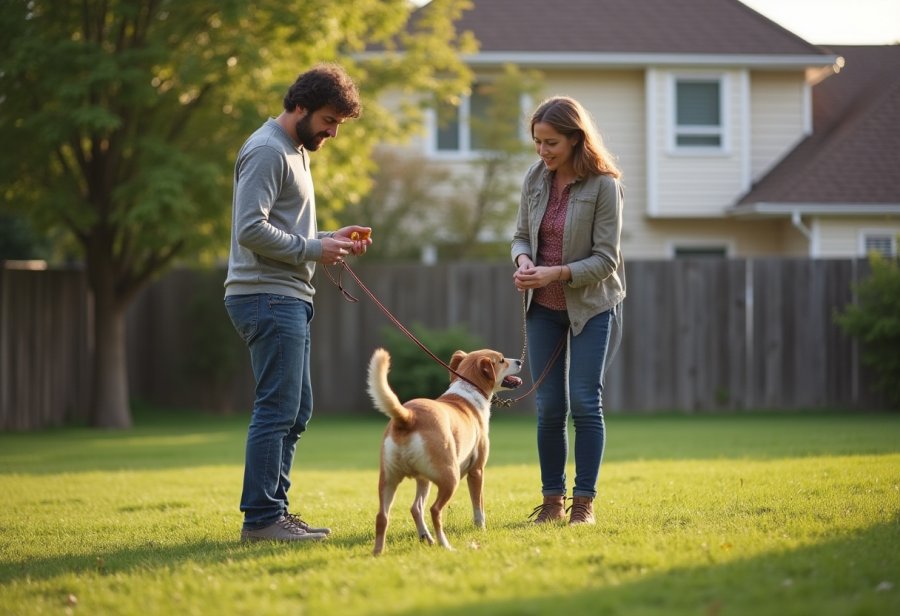
Building a peaceful leash training routine starts with your own calm presence. Your body language and tone set the tone for your dog; walking with relaxed movements and a gentle voice helps your dog mirror that calm energy. Pairing clear cues like “let’s go” with treats encourages your dog to focus on you and stay attentive. Over time, these consistent signals build trust and make your dog more receptive to learning relaxed walking habits.
Your posture and pace play vital roles. Maintaining a steady, unhurried rhythm helps your dog feel secure and reduces their tendency to pull or become overly excited. When they start to strain at the leash or get distracted, gently pausing and waiting signals that calmness earns positive attention. Rewarding your dog during these moments reinforces that staying close and focused is beneficial and rewarding.
Bonding during walks strengthens trust and reassurance. Simple actions like making eye contact, offering gentle praise, or petting your dog in busy environments helps them associate walks with safety and affection. When your dog feels understood and secure, they’re more likely to remain calm, even amid external stimuli, transforming walks into shared moments of connection rather than chaos.
Using supportive equipment like front-clip harnesses or no-pull collars can make a big difference in early training. These tools help discourage pulling naturally, without discomfort, and support your efforts to teach proper leash manners. Consistent use of such equipment, combined with positive reinforcement, accelerates progress and minimizes frustration.
Focus on building trust through patience and positive interactions. Making your dog feel safe and valued during walks encourages them to look to you for guidance rather than reacting impulsively. Over time, this trust fosters a relaxed attitude, enabling your dog to handle distractions with confidence rather than anxiety.
Reward calm behavior consistently. Whether it’s walking a few steps without pulling or ignoring a passing distraction, positive reinforcement cements desirable habits. Celebrating these small successes keeps your dog motivated and gradually turns calm, attentive walking into the new normal.
Stay attentive to your dog’s signals. Recognizing signs of stress or overexcitement allows you to adjust your approach before frustration sets in. Sometimes a short break or a change of pace can reset the atmosphere, helping your dog regain composure and stay engaged.
Finally, remember that patience and persistence are key. Training isn’t about perfection overnight but about creating a steady, trusting routine. With a calm demeanor, supportive tools, and consistent reinforcement, peaceful leash walking becomes a natural, enjoyable part of your daily life together, deepening your bond and making every walk a shared moment of joy.